
Every homeowner eventually faces the same tension: the desire for a beautiful, well-designed home versus the practical need for systems that hold up over time. It is easy to get swept up in finishes and colors while overlooking the mechanical, structural, and maintenance decisions that determine whether your home actually functions well for years to come. The good news is that style and performance are not mutually exclusive; with the right planning, you can make choices that look great and work hard. This article walks through the major systems and upgrades where beauty and durability need to meet, so you can make informed decisions room by room and system by system.
Wiring Upgrades That Support Both Function and Design
Lighting design has become a major driver of home aesthetics, from layered ceiling fixtures to under-cabinet strips and statement chandeliers, but none of it matters if the underlying wiring cannot support it. Older homes in particular often have circuits that were never designed for today’s load of electronics, smart devices, and accent lighting. Before you commit to a new lighting plan, it is worth having a professional assess whether your panel and wiring can handle the added draw.
This is where electrical repair becomes a foundational step rather than an afterthought. Addressing outdated wiring, adding dedicated circuits, or upgrading your panel before finishing a design project prevents the frustration of flickering lights or tripped breakers after the fact. It also protects the investment you are making in fixtures and smart home features.
- Have a licensed electrician evaluate your panel capacity before adding major lighting or appliances
- Prioritize dedicated circuits for kitchens, home offices, and entertainment centers
- Replace old two-prong outlets with grounded, code-compliant options
- Consider surge protection at the panel level to protect sensitive electronics
Choosing a Roof That Balances Curb Appeal and Longevity

The roof is one of the most visible features of a home’s exterior, and it is also one of the most expensive systems to get wrong. Homeowners often focus on color and shingle style without considering how climate, slope, and ventilation affect long-term performance. A roof replacement is a major investment, so it deserves the same design attention as any interior renovation, paired with a clear understanding of material lifespan and warranty coverage.
Different roofing materials offer different combinations of appearance and durability. Asphalt shingles remain popular for their affordability and range of colors, while metal roofing has grown in popularity for its longevity and modern look. Whatever material you choose, proper installation and attic ventilation matter just as much as the product itself.
- Ask contractors about manufacturer warranties and installation guarantees
- Match roofing material to your regional climate, especially for heat, snow, or wind exposure
- Confirm proper attic ventilation is included in the project scope
- Compare long-term maintenance needs, not just upfront cost
Planning a Septic System That Fits Your Property
For homes outside municipal sewer lines, the septic system is one of the most important pieces of infrastructure on the property, yet it rarely gets attention until something goes wrong. Soil type, household size, and water usage all influence what kind of system will work best. Bringing in experienced septic installers early in a remodeling or land development project helps avoid costly surprises later.
A well-designed septic system should be practically invisible once installed, with no impact on landscaping or outdoor living spaces. That said, homeowners should still understand the basic layout of their tank and drain field so they can plan gardens, patios, or driveways around it appropriately. Regular pumping and inspection schedules keep the system functioning and prevent backups that can damage both the yard and the home.
- Have your septic tank inspected every one to three years depending on household size
- Avoid planting trees with deep root systems near the drain field
- Keep heavy vehicles and structures off the septic area
- Ask installers about soil percolation testing before system design
Selecting a Fence That Adds Privacy Without Sacrificing Looks

A fence does more than mark a property line; it frames the entire look of a yard and can dramatically affect curb appeal. Homeowners often default to a single material without weighing how it will hold up against weather, pets, or years of use. Reputable fence companies can walk you through options like wood, vinyl, aluminum, and composite materials, each with different maintenance demands and price points.
Style should be balanced with practical needs like security, privacy, and local zoning rules. A tall privacy fence might look great but could violate height restrictions in some neighborhoods, while a decorative picket fence may not provide the containment a family with dogs needs. Getting quotes from multiple providers and asking about post-installation warranties helps ensure the fence performs as well as it looks.
- Check local zoning and HOA rules before finalizing fence height and style
- Choose materials based on climate exposure and maintenance tolerance
- Ask about warranty coverage for both materials and labor
- Consider gate placement for both convenience and security
Flooring Choices That Hold Up to Daily Life
Flooring sets the tone for a room, but it also takes more daily wear than almost any other surface in the house. Carpet installation remains a popular choice for bedrooms and living rooms because of the comfort and warmth it adds, but choosing the right fiber and padding combination makes a big difference in how well it performs over time. Stain-resistant treatments and higher-density padding can extend the life of carpet significantly, especially in high-traffic homes.
Before installation, it helps to think through how each room is actually used. A home with children or pets may need a more resilient carpet blend, while a formal living room might prioritize softness and appearance over heavy-duty performance. Professional installers can also identify subfloor issues that, if ignored, would shorten the lifespan of any flooring you choose.
- Choose denser carpet pile for high-traffic areas like hallways and stairs
- Ask about stain-resistant treatments for homes with kids or pets
- Have subfloors inspected and leveled before installation
- Factor in padding quality, not just carpet material, for comfort and durability
Protecting Your Roofline With Proper Drainage Solutions
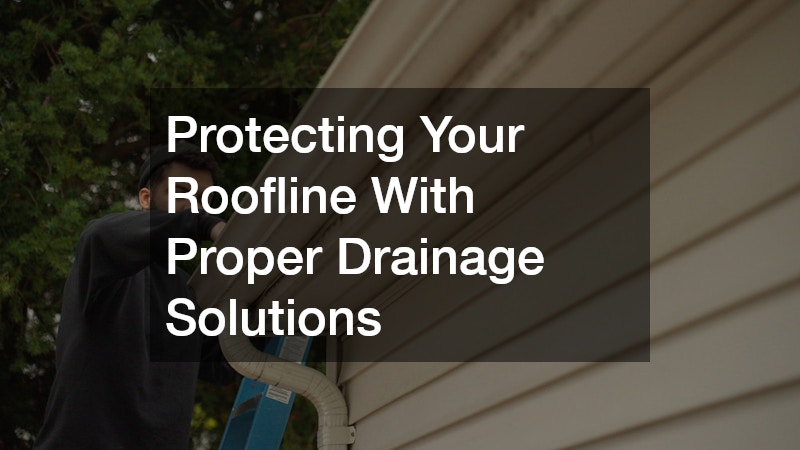
Water management around the roofline is one of the most overlooked aspects of home maintenance, yet it has an outsized impact on both appearance and structural health. Clogged gutters lead to water damage, staining on siding, and even foundation issues if left unaddressed. Installing gutter guards is one of the simplest ways to reduce maintenance while protecting the exterior finishes you have invested in.
Beyond function, gutter guards also help preserve curb appeal by preventing the streaky staining that comes from overflowing debris. They reduce the frequency of cleaning needed, which is especially valuable for homes with steep rooflines or heavy tree coverage. Choosing a style that complements your roofline, rather than one that looks bulky or obviously bolted on, keeps the exterior looking intentional.
- Choose mesh or reverse-curve guards depending on debris type in your area
- Inspect guards annually even though cleaning frequency is reduced
- Match guard color to trim for a seamless exterior look
- Consider professional installation for steep or multi-story rooflines
Working With Remodeling Professionals to Merge Design and Function
Large-scale renovations are where the tension between style and performance becomes most obvious, since so many systems come together in one project. Skilled home remodeling contractors help homeowners navigate decisions about layout, materials, and mechanical systems so that the finished space is not just attractive but genuinely livable. This is particularly important in kitchens and bathrooms, where plumbing, electrical, and structural elements all intersect with design choices.
A good contractor will ask about how you actually use a space before recommending finishes or layouts. They should also be transparent about timelines, permitting requirements, and how different material choices affect long-term maintenance. Getting multiple detailed bids, rather than a single vague estimate, gives you a clearer picture of what quality work actually costs.
- Request itemized bids that separate labor, materials, and permits
- Ask contractors for references from projects similar in scope to yours
- Clarify who handles inspections and code compliance
- Discuss how design choices will affect future maintenance needs
Cleaning Exterior Surfaces to Extend Their Life and Appearance
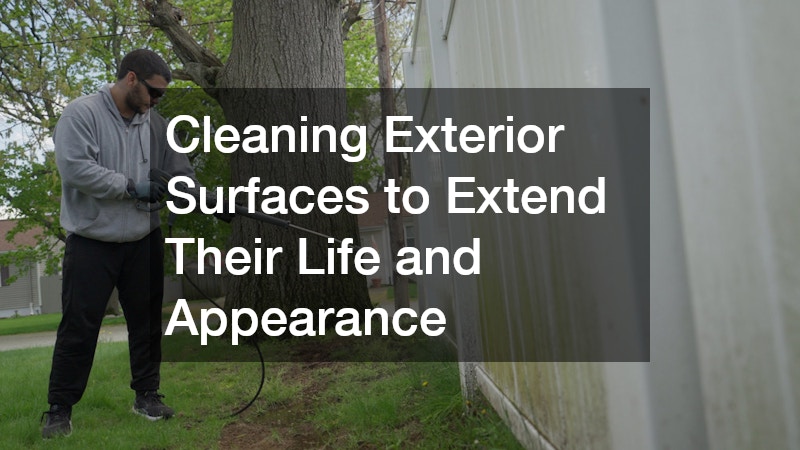
Dirt, mold, algae, and grime accumulate on exterior surfaces faster than most homeowners realize, dulling the appearance of even well-maintained homes. Power washing driveways, siding, decks, and walkways restores curb appeal and can reveal underlying issues like cracked concrete or rotting wood that were hidden under buildup. It is also a cost-effective way to prepare surfaces before painting, sealing, or staining.
Not all surfaces should be cleaned the same way, since aggressive pressure can damage softer materials like wood siding or older mortar joints. A measured approach, adjusting pressure and using appropriate cleaning solutions, protects the surface while still delivering a thorough clean. Scheduling this maintenance annually keeps grime from becoming a long-term staining problem.
- Use lower pressure settings for wood siding and delicate surfaces
- Schedule exterior cleaning before repainting or resealing projects
- Address mold and algae promptly to prevent surface damage
- Consider professional service for two-story homes or steep driveways
Kitchen Storage Solutions That Combine Form and Durability
The kitchen is often the room where homeowners most want a blend of style and lasting performance, and storage is at the center of that balance. Custom or semi-custom cabinets allow for both a tailored look and functional improvements like soft-close hinges, pull-out shelves, and better organization systems. Choosing quality construction over flashy finishes pays off in the long run, since cabinets endure constant opening, closing, and moisture exposure.
Material choice matters as much as style when it comes to kitchen storage. Solid wood offers a classic look and can be refinished over time, while thermofoil and laminate options provide a budget-friendly, low-maintenance alternative. Whatever you choose, look closely at drawer construction and hinge quality, since these details determine how well the cabinets perform years after installation.
- Choose dovetail joints and solid drawer boxes for durability
- Compare soft-close versus standard hinges for daily usability
- Consider moisture-resistant materials near sinks and dishwashers
- Balance trendy finishes with timeless styles for long-term resale value
Keeping Household Appliances Reliable Through Regular Maintenance
Even the most stylish kitchen or laundry room depends on appliances that actually work, and unexpected breakdowns can disrupt daily life quickly. A refrigerator that stops cooling overnight or a washer that floods mid-cycle doesn’t just cause inconvenience, it can lead to spoiled food, water damage, and costly repairs to surrounding cabinetry or flooring. Rather than waiting for a full replacement, many issues can be resolved through timely appliance repairs that extend the useful life of refrigerators, dishwashers, washers, and dryers. A technician catching a worn belt, a failing thermostat, or a clogged drain pump early often costs a fraction of what a new unit would run, and most major appliances can gain several extra years of service with the right fix at the right time. Regular maintenance, like cleaning coils and checking seals, also reduces the likelihood of a sudden failure. Refrigerator coils should generally be cleaned every six months to prevent dust buildup from forcing the compressor to work harder, while door gaskets on both fridges and dishwashers deserve a periodic check for cracks or gaps that let cool air or water escape. Dryer vents deserve the same attention, since lint accumulation is one of the leading causes of both poor performance and house fires. Homeowners who build a simple seasonal checklist for their appliances tend to catch small problems before they become expensive emergencies.
Knowing when to repair versus replace an appliance can save significant money over time. As a general guideline, if a repair costs less than half the price of a new unit and the appliance is under ten years old, repair is usually the smarter choice. Refrigerators, washers, and dryers typically last 10-13 years with proper care, while dishwashers average closer to 9 years, so factor age into the equation alongside repair cost. Beyond the 50% rule, consider frequency of breakdowns. An appliance that’s needed two or more repairs in the past year is often signaling that bigger failures are coming, even if the current fix seems minor. In these cases, replacement can be the more cost-effective long-term choice, especially since newer models tend to be more energy-efficient and can lower utility bills. Keeping manuals and maintenance records also helps technicians diagnose problems faster when service is needed. A simple log noting service dates, parts replaced, and recurring issues gives a clear repair history at a glance. This documentation not only speeds up future service calls but can also boost resale value if you sell your home, since buyers appreciate proof that appliances have been well cared for.
- Clean refrigerator coils and dryer vents at least once a year to prevent overheating, fire hazards, and reduced efficiency
- Wipe down washing machine gaskets and run a monthly cleaning cycle to stop mold and odor buildup
- Address unusual noises, leaks, or burning smells promptly before minor issues turn into costly breakdowns
- Compare repair costs to replacement costs using the halfway rule — if repairs exceed 50% of a new unit’s price, replacement is usually smarter
- Factor in the appliance’s age and remaining warranty coverage when deciding between repair and replacement
- Keep appliance manuals, warranty documents, and service records organized in one folder for quicker diagnostics
- Schedule seasonal check-ups for HVAC-connected appliances, since demand spikes in summer and winter often expose hidden wear
Blending style with systems that actually work does not require sacrificing one for the other, but it does require intentional planning at every stage of a home project. From electrical capacity and roofing materials to cabinetry and appliance upkeep, the best results come from treating form and function as equally important considerations. Take time to research materials, ask detailed questions of any professional you hire, and think about long-term maintenance before finalizing decisions. With that approach, your home can look exactly the way you want while performing reliably for years to come.
