
Key Takeaways
- Choosing an exterior style that complements your home’s architecture helps create a cohesive and attractive appearance.
- Exterior materials, colors, roofing, windows, and landscaping all work together to shape curb appeal and overall home character.
- Popular exterior styles include modern, contemporary, craftsman, farmhouse, colonial, Mediterranean, and cottage designs.
- Climate, maintenance requirements, and neighborhood aesthetics should be considered when making exterior design decisions.
- Thoughtful upgrades such as updated front doors, garage doors, outdoor lighting, and landscaping can significantly improve a home’s appearance.
- Energy-efficient features and durable materials can enhance both comfort and long-term value.
- Regular maintenance and timeless design choices help preserve curb appeal and protect your investment over time.
The exterior of a home creates the first impression visitors, neighbors, and potential buyers have of a property. It reflects the homeowner’s personality, complements the surrounding neighborhood, and contributes significantly to curb appeal. Whether you are building a new house, updating an existing property, or planning a major renovation, choosing the right exterior style is one of the most important design decisions you can make.
A home’s exterior is more than just paint colors and landscaping. It includes architectural features, roofing materials, siding, windows, doors, lighting, and decorative details that work together to create a cohesive appearance. Selecting the right style helps ensure your home looks attractive, functions well, and retains value over time.
With so many design options available, choosing the perfect exterior style can feel overwhelming. Understanding popular home styles and the factors that influence exterior design can help homeowners make confident decisions.
This guide explores common home exterior styles, design considerations, and practical tips for choosing a look that fits your home, lifestyle, and long-term goals.
Why Exterior Design Matters
The exterior of a home affects much more than appearance.
A well-designed exterior can:
- Improve curb appeal
- Increase property value
- Enhance energy efficiency
- Reflect personal style
- Create a welcoming atmosphere
Exterior design also influences how well a home blends into its surroundings.
A cohesive exterior often makes the entire property feel more polished and appealing.
Start by Understanding Your Home’s Architecture
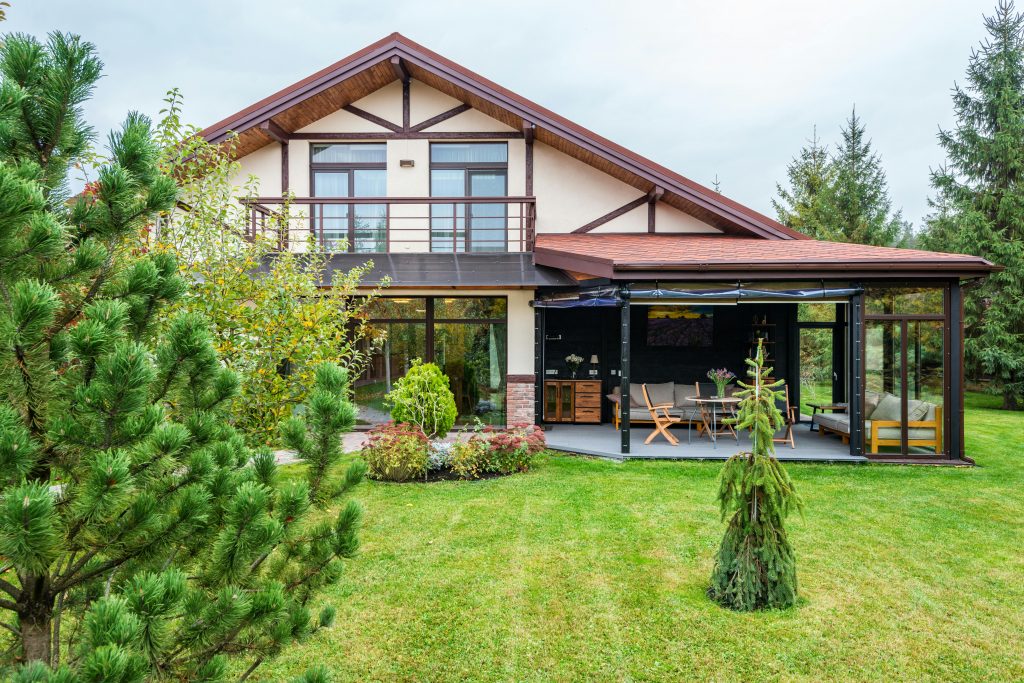
Before selecting colors, materials, or decorative features, it is important to understand your home’s architectural style.
Certain exterior elements naturally complement specific home designs.
For example:
- Colonial homes often feature symmetrical layouts.
- Craftsman homes emphasize natural materials.
- Modern homes focus on clean lines and simplicity.
- Farmhouse designs highlight warmth and practicality.
Working with the home’s existing architecture usually creates the most balanced and attractive results.
Popular Home Exterior Styles
Understanding common home styles can help narrow your design preferences.
Modern Style
Modern homes emphasize simplicity and clean lines.
Common features include:
- Large windows
- Flat or low-pitched roofs
- Minimal ornamentation
- Neutral color palettes
- Mixed materials
Popular materials often include:
- Metal
- Concrete
- Glass
- Wood accents
Modern exteriors create a sleek and contemporary appearance.
Contemporary Style
Contemporary homes share some similarities with modern homes but reflect current design trends.
Common characteristics include:
- Open designs
- Large windows
- Creative shapes
- Sustainable materials
Contemporary homes often evolve as architectural trends change.
Craftsman Style
Craftsman homes remain popular because of their timeless appeal.
Typical features include:
- Covered front porches
- Exposed beams
- Tapered columns
- Natural wood details
- Stone accents
Craftsman exteriors often feel warm, inviting, and highly detailed.
Farmhouse Style
Farmhouse exteriors have become increasingly popular in recent years.
Common farmhouse features include:
- Board-and-batten siding
- Metal roofing
- Large porches
- White exterior colors
- Black window frames
Modern farmhouse designs combine traditional charm with updated finishes.
Colonial Style
Colonial homes are known for their symmetry and elegance.
Features often include:
- Balanced window placement
- Centered front doors
- Brick or siding exteriors
- Traditional shutters
Colonial exteriors maintain a classic and formal appearance.
Mediterranean Style
Mediterranean homes are common in warmer climates.
Typical features include:
- Stucco walls
- Clay tile roofs
- Arched windows
- Decorative ironwork
These homes often create a relaxed and luxurious atmosphere.
Cottage Style
Cottage homes emphasize charm and character.
Common features include:
- Cozy proportions
- Decorative trim
- Garden-focused landscaping
- Natural materials
Cottage exteriors often feel welcoming and picturesque.
Consider Your Neighborhood
While personal style matters, it is also important to consider the surrounding neighborhood.
A home should stand out positively without looking completely out of place.
Pay attention to:
- Common architectural styles
- Exterior materials
- Color palettes
- Landscaping trends
Maintaining some visual harmony with neighboring homes often improves overall curb appeal.
Choose Exterior Materials Carefully
Exterior materials affect:
- Appearance
- Durability
- Maintenance requirements
- Cost
Popular Exterior Materials
Vinyl Siding
Benefits include:
- Affordability
- Low maintenance
- Variety of colors
Fiber Cement Siding
Known for:
- Durability
- Weather resistance
- Long lifespan
Brick
Offers:
- Timeless appearance
- Minimal maintenance
- Excellent durability
Stone
Provides:
- Natural beauty
- Premium appearance
- Long-lasting performance
Wood
Creates:
- Warmth
- Character
- Natural appeal
However, wood usually requires more maintenance.
Select a Color Palette
Color plays a major role in exterior design.
The right color palette can:
- Highlight architectural details
- Improve curb appeal
- Create visual balance
Popular Exterior Color Choices
White
- Clean
- Timeless
- Versatile
Gray
- Modern
- Sophisticated
- Neutral
Beige
- Warm
- Traditional
- Flexible
Navy Blue
- Elegant
- Distinctive
- Popular for coastal homes
Green
- Natural
- Calming
- Earth-friendly appearance
Limit the number of exterior colors to maintain a cohesive design.
Pay Attention to Roofing
The roof is one of the most visible parts of a home’s exterior.
Roofing materials and colors significantly influence appearance.
Common Roofing Materials
- Asphalt shingles
- Metal roofing
- Clay tiles
- Slate
- Composite roofing
Choose roofing that complements both the architectural style and climate conditions.
Upgrade the Front Door
The front door serves as a focal point.
A well-designed front entry can improve curb appeal dramatically.
Front Door Upgrade Ideas
- Bold paint colors
- Decorative glass inserts
- Modern hardware
- Natural wood finishes
A welcoming entrance often leaves a lasting impression.
Improve Window Design
Windows contribute both beauty and functionality.
Consider:
- Frame color
- Window shape
- Grid patterns
- Energy efficiency
Well-designed windows enhance both interior and exterior appeal.
Add Outdoor Lighting
Outdoor lighting improves:
- Safety
- Security
- Ambiance
- Curb appeal
Popular Exterior Lighting Options
- Path lights
- Wall sconces
- Porch lighting
- Landscape lighting
Warm lighting generally creates a more inviting atmosphere.
Incorporate Landscaping Into the Design
Landscaping and architecture should work together.
Thoughtful landscaping can:
- Frame the home
- Highlight features
- Improve visual balance
Landscaping Ideas
- Shrubs
- Flower beds
- Decorative trees
- Ground cover plants
- Walkway borders
A well-maintained landscape often enhances the entire property.
Consider Long-Term Maintenance
Some exterior styles require more upkeep than others.
Before choosing materials or designs, think about:
- Cleaning requirements
- Repainting schedules
- Repair costs
- Weather exposure
Low-maintenance materials may save money and effort over time.
Blend Modern Features With Classic Design
Many homeowners prefer combining traditional architecture with updated features.
Examples include:
- Modern lighting
- Energy-efficient windows
- Contemporary landscaping
- Updated siding materials
These modern upgrades for comfortable living can improve both appearance and functionality without sacrificing character.
Think About Climate and Weather
Your local climate should influence exterior design decisions.
For example:
- Coastal areas may require corrosion-resistant materials.
- Hot climates benefit from reflective roofing.
- Cold climates need durable insulation systems.
Choosing weather-appropriate materials helps protect the home long-term.
Create Visual Balance
A beautiful exterior often feels balanced.
Balance can be achieved through:
- Symmetrical layouts
- Consistent colors
- Coordinated materials
- Even landscaping
Too many competing elements can make a home look cluttered.
Simple, intentional design often produces the best results.
Update Garage Doors
Garage doors occupy significant visual space on many homes.
Updating garage doors can dramatically improve curb appeal.
Popular options include:
- Carriage-style doors
- Modern glass panels
- Wood-look finishes
- Contemporary metal designs
The garage door should complement the overall style of the home.
Use Architectural Details Carefully
Decorative details add personality.
Examples include:
- Shutters
- Columns
- Trim work
- Decorative brackets
However, excessive decoration can overwhelm the design.
Choose details that support the home’s architectural style.
Focus on Energy Efficiency
Exterior improvements can also improve energy performance.
Consider:
- Better insulation
- Energy-efficient windows
- Reflective roofing materials
- Weather sealing
These upgrades can reduce energy costs while increasing comfort.
Plan Renovations Carefully
Large exterior renovations often involve multiple contractors and specialized work.
Homeowners should spend time choosing reliable home service professionals who have experience with similar projects.
Before hiring anyone:
- Check reviews
- Request references
- Verify licensing
- Compare estimates
Working with qualified professionals often leads to better results and fewer unexpected issues.
Think About Resale Value
Even if you do not plan to sell immediately, future resale value is worth considering.
Exterior features that often appeal to buyers include:
- Neutral colors
- Quality materials
- Well-maintained landscaping
- Energy-efficient upgrades
Timeless design choices usually attract broader buyer interest.
Avoid Following Every Trend
Design trends can be exciting, but they change quickly.
Instead of making every decision based on current trends, focus on:
- Durability
- Functionality
- Personal preferences
- Long-term appeal
A timeless exterior often remains attractive longer than highly trend-focused designs.
Use Outdoor Spaces as Extensions of the Home
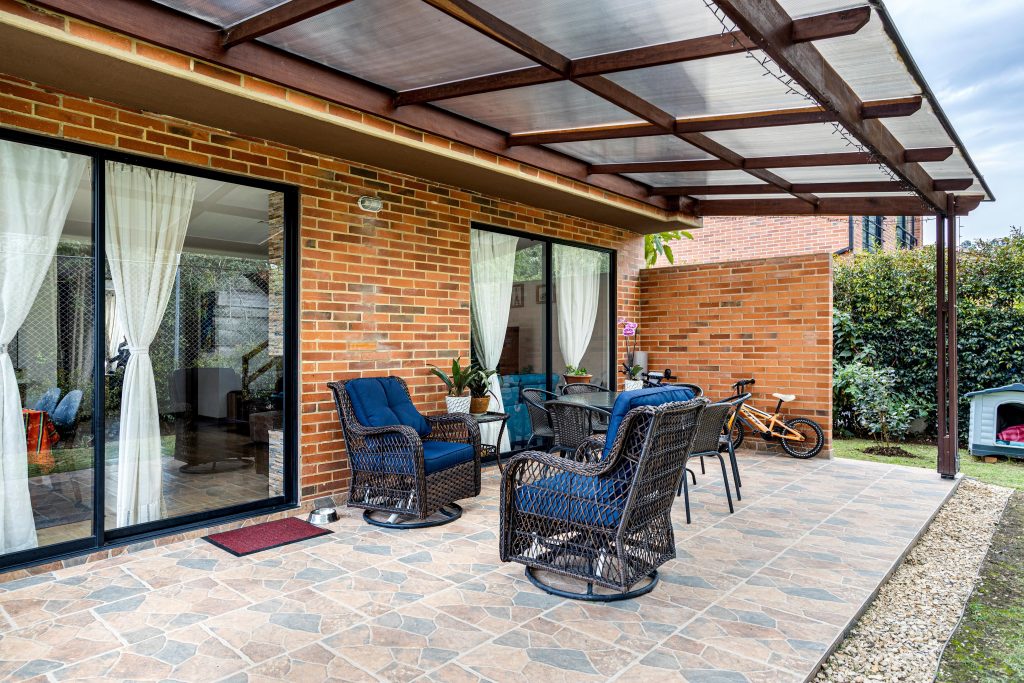
Porches, patios, and entryways can enhance both appearance and functionality.
Consider:
- Comfortable seating
- Decorative planters
- Outdoor lighting
- Attractive pathways
Outdoor living areas help create a more welcoming environment.
Maintain the Exterior Regularly
Even the best-designed home requires maintenance.
Regular upkeep may include:
- Pressure washing
- Painting touch-ups
- Gutter cleaning
- Roof inspections
- Landscaping care
Routine maintenance helps preserve curb appeal and protect your investment.
Final Thoughts
Choosing the right home exterior style involves balancing personal taste, architectural character, functionality, and long-term maintenance needs. Whether you prefer modern simplicity, farmhouse charm, traditional elegance, or contemporary design, the best exterior is one that complements your home while supporting your lifestyle.
By carefully selecting materials, colors, landscaping, lighting, and architectural details, homeowners can create an exterior that feels welcoming, attractive, and durable for years to come.
A thoughtfully designed exterior not only enhances curb appeal but also improves comfort, protects property value, and creates a home that you can enjoy with pride every day.
