
Most home systems do not fail overnight. Instead, they wear down quietly for years, hidden behind walls, buried underground, or tucked into crawl spaces where nobody thinks to look. By the time a homeowner notices a problem, the damage is often extensive and the repair bill has multiplied. Understanding which systems deteriorate silently, and what warning signs to watch for, can save you from a costly emergency and help you budget for maintenance before a crisis forces your hand.
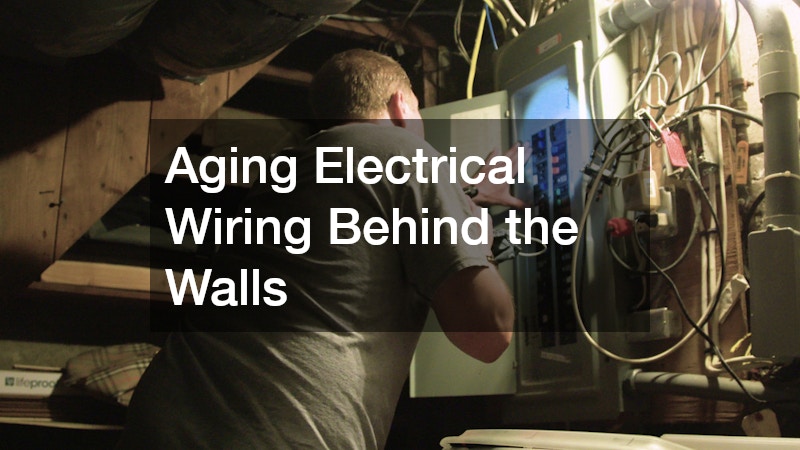
Aging Electrical Wiring Behind the Walls
Electrical systems are designed to last decades, but insulation on wiring degrades, connections loosen, and panels that were adequate for a 1980s household often cannot handle the load of modern appliances and electronics. Warning signs include flickering lights, warm outlet covers, breakers that trip repeatedly, and a faint burning smell near switches. These symptoms are easy to dismiss individually, which is exactly why electrical problems tend to escalate until they become dangerous.
If your home is more than 25 years old and you have not had the panel inspected, it is worth scheduling a professional evaluation before you notice obvious symptoms. A licensed electrical repair specialist can identify outdated aluminum wiring, overloaded circuits, or corroded connections long before they spark a fire. Catching these issues early is far cheaper than dealing with smoke damage or a full rewire after an incident.
- Flickering or dimming lights when appliances turn on
- Discolored or warm outlet and switch plates
- A persistent burning or metallic smell with no obvious source
- Breakers that trip frequently without a clear cause
- Two-prong outlets or a fuse box instead of a modern panel
Hidden Corrosion Inside Aging Plumbing Lines
Pipes do not usually burst without warning. Long before a catastrophic leak, mineral buildup, rust, and grease accumulate along the interior walls of pipes, slowly narrowing the passage and increasing pressure on aging joints. In homes with galvanized steel plumbing, this corrosion can begin from the inside out as zinc coatings wear away after 40 to 50 years, leaving bare metal exposed to constant moisture. Copper pipes face a different threat: pinhole leaks caused by pitting corrosion, often linked to water chemistry issues like high acidity or stray electrical currents. These leaks can develop behind walls or under slabs, where they go undetected until stains, warped flooring, or unexplained water bills reveal the problem.
Homeowners often notice slower drains, gurgling sounds, or a faint sewage odor for months before a pipe finally gives way. Reduced water pressure at multiple fixtures simultaneously is another red flag, suggesting narrowing has occurred deep within the main line rather than a single clogged faucet. Discolored water, particularly a reddish or brown tint after periods of disuse, often signals rust scale breaking loose inside older pipes. A simple annual check with a plumbing camera can catch this deterioration years before failure, especially in homes built before 1970 where galvanized or cast iron lines are still common.
Routine maintenance can catch this deterioration early, long before a pinhole leak turns into a burst pipe. Drain cleaning plumbers use video cameras and hydro-jetting equipment to clear buildup and inspect the interior condition of pipes without guesswork. This inspection can reveal rust flaking, mineral scale, or thinning pipe walls that would otherwise go unnoticed until water starts seeping through drywall or flooring. Galvanized steel pipes typically last 40 to 50 years, while cast iron can hold up for 75 to 100 years under good conditions, but corrosion accelerates that timeline considerably in homes with hard water or high mineral content. A camera inspection every few years helps homeowners track exactly where their system stands rather than relying on age alone as a guide. This is especially valuable before a renovation, since disturbing old pipes can sometimes trigger leaks in sections already weakened by rust.
Periodic pipe cleaning also reduces strain on older galvanized or cast iron systems by clearing away sediment and mineral deposits that force water to push through narrower channels. Less friction and pressure on corroded walls means fewer stress fractures over time. The payoff is a longer functional life for aging plumbing and significantly reduced odds of a surprise flood in your basement or a costly emergency repair down the line.
- Slow-draining sinks or tubs across multiple fixtures, especially when it happens simultaneously in different rooms
- Gurgling noises from drains or toilets, a sign that trapped air is escaping past a corroded or partially blocked line
- Recurring clogs that return within weeks despite snaking or chemical cleaners
- Musty or sewage-like odors near floor drains, often signaling a cracked pipe leaking gas into the surrounding area
- Visible discoloration or rust stains on exposed pipes, particularly at joints and fittings where corrosion typically starts
- Reddish-brown or metallic-tasting water, indicating rusting galvanized steel pipes
- A noticeable drop in water pressure throughout the house, which can point to mineral buildup narrowing pipe interiors
- Pipes older than 40-50 years (common with galvanized steel), which are approaching the end of their realistic lifespan
Slate Roof Wear That Goes Unnoticed for Years
A well-installed slate roof can last a century, which paradoxically makes it easy to ignore. Homeowners assume the material is permanent, but flashing, underlayment, and fasteners beneath the slate tiles age much faster than the stone itself. Small cracks or slipped tiles allow moisture to seep in gradually, rotting the decking underneath long before any leak becomes visible inside the house.
An annual visual inspection from the ground, paired with a professional check every few years, can catch loose or cracked tiles before winter freeze-thaw cycles make things worse. Specialists in slate roofing know how to replace individual damaged tiles without disturbing the surrounding material, which preserves the roof’s integrity and appearance. Ignoring small slate issues almost always leads to far more expensive structural repairs down the line.
- Slate tiles that appear slipped, cracked, or missing
- Granules or slate fragments collecting in gutters
- Daylight visible through the attic roof boards
- Water stains on attic rafters or ceiling drywall
- Flashing around chimneys or valleys that looks rusted or lifted
Structural Fencing That Rots From the Ground Up
Fences take a beating from weather, soil moisture, and ground contact, but the damage typically starts at the base where posts meet the earth. Wood fibers absorb moisture and begin to rot from the inside out, so a post can look solid on the surface while being structurally compromised below the soil line. Metal fences face a similar issue with rust forming inside hollow rails where it is invisible until the metal weakens significantly.
A simple push test on several posts each spring can reveal early wobbling that signals internal decay. If you notice leaning sections, cracked posts, or gates that no longer close properly, it is worth calling a fence contractor to assess whether individual posts can be replaced or if a larger section needs rebuilding. Addressing this early prevents a full fence collapse during a storm, which is both a safety hazard and a much larger expense.
- Fence posts that wobble or shift when pushed
- Visible rot or soft wood near the base of posts
- Gates that sag, stick, or no longer latch correctly
- Rust streaks running down metal fence rails
- Leaning sections that were not previously out of alignment
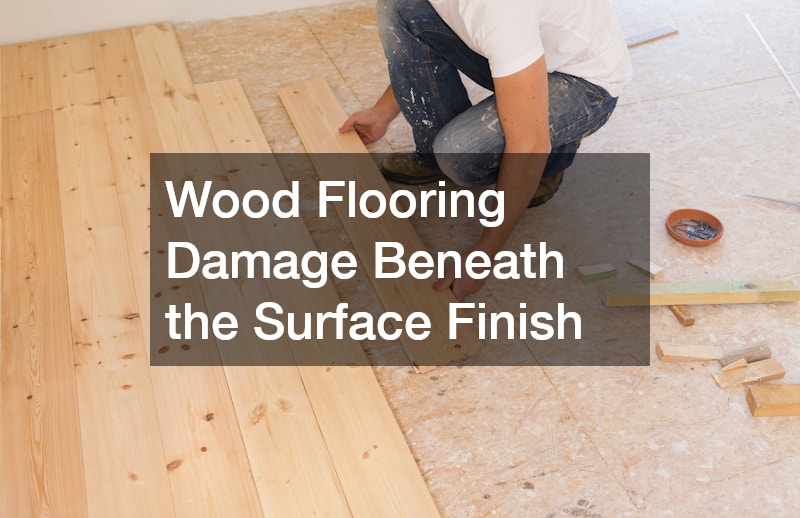
Wood Flooring Damage Beneath the Surface Finish
Hardwood floors look stable for years, but the protective finish wears thin with foot traffic, sunlight exposure, and cleaning chemicals long before the wood itself shows obvious damage. Once the finish is compromised, moisture can penetrate the boards, causing warping, cupping, or gaps that are difficult to reverse. Many homeowners do not notice this gradual wear until boards start creaking, discoloring, or separating at the seams.
Refinishing before the wood itself is damaged is far less invasive and expensive than replacing entire sections of flooring. Professional wood floor refinishing services can sand away the worn top layer and reseal the surface, restoring both appearance and protection in a single visit. Waiting too long often means some boards must be replaced entirely rather than simply refinished.
- Dull, faded, or worn patches in high-traffic areas
- Small gaps forming between individual boards
- Boards that feel slightly raised or cupped underfoot
- Water rings or dark stains that do not sand out easily
- Increased creaking or movement compared to previous years
Detached Metal Structures Facing Long-Term Wear
Detached garages, workshops, and storage buildings made of metal are often the most neglected structures on a property because they are separate from the main house and rarely inspected. Over time, seams can loosen, fasteners rust, and insulation gaps develop that allow condensation to build up inside the walls. This trapped moisture slowly corrodes structural framing from the inside, which is invisible until a panel bulges or a support beam visibly weakens.
Because these buildings are engineered as complete systems, repairs are not always a simple patch job. Experienced metal building contractors can evaluate whether a structure needs new sealant, additional ventilation, or reinforcement at stress points before a minor issue becomes a safety concern. Scheduling a walkthrough every few years, especially after severe weather, helps catch these problems while they are still manageable.
- Rust spots spreading around seams, screws, or panel edges
- Condensation or moisture buildup inside the structure
- Doors that no longer align or close smoothly
- Visible dents or bowing in wall or roof panels
- Musty smells suggesting trapped moisture behind insulation
Lawn and Soil Decline That Undermines Curb Appeal
A lawn that gradually thins, yellows, or develops bare patches is often signaling deeper soil problems rather than a simple watering issue. Nutrient depletion happens slowly as grass consumes the same soil resources year after year without replenishment, weakening root systems and making the lawn more vulnerable to drought, pests, and disease. By the time large dead patches appear, the underlying soil imbalance has usually been building for one or more full growing seasons.
A consistent lawn fertilization schedule tailored to your soil type and grass species can reverse this decline before it requires a full reseeding or sod replacement. Testing your soil every couple of years also helps identify pH imbalances that fertilizer alone cannot fix. Healthy, well-fed turf is more resilient to the stresses that cause dramatic dieback in a single hot summer.
- Thinning grass or bare patches spreading over time
- Yellowing that does not improve with regular watering
- Increased weed growth crowding out healthy grass
- Soil that feels compacted or drains poorly after rain
- Grass that struggles to recover after mowing
Hidden Mold Growth in Damp Building Cavities
Mold rarely announces itself until spores have spread extensively behind walls, under flooring, or inside HVAC ductwork. Small, persistent moisture sources, like a slow roof leak, poor bathroom ventilation, or a damp crawl space, create ideal growing conditions that can go undetected for months or years. Musty odors, unexplained allergy symptoms, or discoloration on baseboards are often the first subtle clues something is wrong beneath the surface.
Because mold can affect indoor air quality and structural materials simultaneously, a professional mold assessment is the most reliable way to determine the extent of contamination and its underlying moisture source. Testing typically identifies not just visible mold but hidden colonies that a visual inspection alone would miss. Addressing the moisture problem at its root, rather than just cleaning visible spots, is essential to prevent recurrence.
- Musty or earthy odors that persist despite cleaning
- Unexplained respiratory irritation or allergy flare-ups indoors
- Discoloration or staining on walls, ceilings, or baseboards
- Peeling paint or bubbling drywall near damp areas
- Increased humidity readings in basements or crawl spaces

Kitchen Surface Wear That Signals Bigger Issues
Countertops endure daily heat, moisture, and impact, and while natural stone and solid surfaces are durable, they are not indestructible. Hairline cracks, dulling sealant, and small chips can allow water to seep beneath the surface, promoting bacterial growth or warping the substrate underneath. Because this damage often starts at the edges or around the sink cutout, it is easy to overlook until the surface visibly separates from the cabinet base.
Resealing stone countertops annually and addressing chips promptly keeps moisture from reaching vulnerable substrate material. If your countertops are original to an older kitchen, inspecting the seams and edges for separation can reveal whether a simple reseal will suffice or whether replacement is the more practical long-term choice. Catching wear early protects both the surface and the cabinetry it sits on.
- Cracks or chips forming near sink or stove cutouts
- Dull spots where sealant has worn away
- Water that no longer beads on the surface
- Slight separation between the countertop and backsplash
- Discoloration around seams or edges
The systems that hold a home together rarely fail without warning; they simply send signals too quiet or too easy to ignore. Walking through your property twice a year with these warning signs in mind can help you catch small problems while they are still inexpensive to fix. Scheduling periodic professional inspections for the systems you cannot easily assess yourself is one of the smartest investments you can make in your home’s long-term value. Taking action now, rather than waiting for an emergency, is the surest way to protect both your budget and your peace of mind.
