
Most homeowners walk past the systems that keep their house safe every single day without giving them a second thought. Roofs, drains, electrical panels, and locks quietly do their jobs until the moment they don’t, and by then the damage is often expensive or dangerous. The good news is that nearly every hidden risk in your home has warning signs you can learn to spot early. This guide walks through the most commonly overlooked infrastructure problems so you can catch them before they turn into emergencies.
Aging Roof Materials and Storm Damage
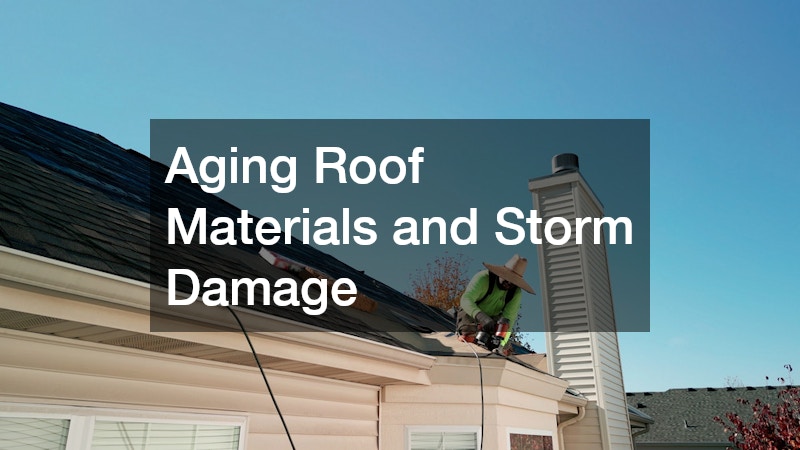
Your roof is your home’s first line of defense against wind, rain, and falling debris, yet most people only think about it after a leak appears on the ceiling. Asphalt shingles, the most common roofing material, typically last 20 to 25 years, but intense sun exposure, poor attic ventilation, or a single bad hailstorm can shave a decade off that lifespan without any obvious warning. Shingles that are curling, cracked, or missing granules are often a sign that the material has passed its useful life and is no longer sealing properly against water intrusion. You can spot granule loss by checking your gutters after a heavy rain; a buildup of gritty, sand-like debris usually means the protective coating is wearing thin and the shingles beneath are becoming brittle. Small issues like a lifted flashing seam or a soft spot near a chimney can look minor but often lead to structural rot if left unaddressed for another season. Flashing around chimneys, skylights, and vent pipes is especially vulnerable because it relies on caulk and sealant that degrades faster than the shingles themselves, sometimes needing attention every 3 to 5 years. Storm damage compounds these weaknesses in ways that aren’t always visible from the ground. Wind can lift shingle edges just enough to break the seal without tearing them off entirely, and hail can bruise the mat beneath the surface, creating soft spots that won’t leak until months later when the material finally gives way. A post-storm inspection with binoculars, or better yet a professional walk-through, can catch these hidden weak points before the next big rainfall turns them into a five-figure repair.
Bringing in licensed roofers for an annual inspection is one of the simplest ways to catch these problems while they are still cheap to fix. Most roofing materials have a predictable lifespan—asphalt shingles typically last 20-25 years, while wood shakes and tile can stretch to 30 years or more—but coastal storms, hail, and prolonged UV exposure can shorten that timeline considerably. A thorough inspection typically checks the attic ventilation, the condition of the underlayment, and the integrity of seals around vents and skylights. Roofers will also look for curling or missing shingles, granule loss in the gutters, and soft spots on the decking that signal trapped moisture. Scheduling this inspection right after storm season, and again before winter, gives homeowners two chances a year to spot small leaks before they turn into rot, mold, or a full ceiling collapse. Many roofers offer free or low-cost inspections, especially if you’ve had recent severe weather, so cost shouldn’t be a reason to skip this step.
- Look for granules collecting in gutters or at downspout exits, which signal shingle breakdown; a roof shedding heavily after 15-20 years is nearing the end of its life
- Check attic insulation for water stains, dark streaks, or a musty smell after heavy storms, as these often appear before ceiling leaks become visible
- Watch for daylight visible through roof boards, sagging decking, or soft spots underfoot, all signs the structure may be compromised
- Inspect flashing around chimneys, vents, and skylights, since these seams fail years before the shingles themselves
- Schedule a professional inspection after any major hailstorm or windstorm, even if damage isn’t visible from the ground
- Photograph any suspected damage promptly, as most insurers require documentation within a specific window to file a storm-related claim
Heating and Cooling Systems That Fail Without Warning
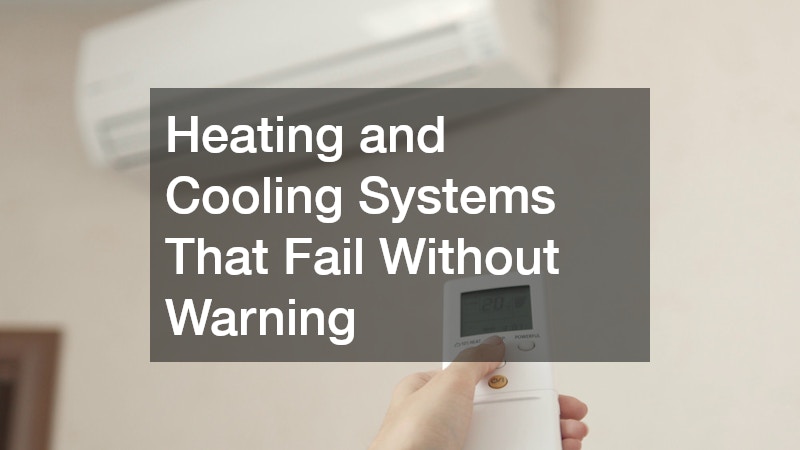
HVAC systems tend to break down at the worst possible times, usually during the first heat wave or cold snap of the season when everyone else is calling for help too. A furnace or air conditioner that is more than twelve to fifteen years old is statistically more likely to fail, and warning signs like strange odors, inconsistent airflow, or rising energy bills often appear months before a full breakdown. Dirty filters and blocked vents also force the system to work harder, which shortens its lifespan considerably.
Scheduling routine maintenance with a company that offers dependable HVAC services twice a year, once before summer and once before winter, can catch small mechanical issues before they become full system failures. Technicians can also test carbon monoxide levels and check refrigerant lines, both of which matter directly for your family’s safety, not just comfort.
- Replace air filters every one to three months
- Listen for banging, rattling, or squealing sounds during startup
- Keep outdoor units clear of leaves, dirt, and debris
- Have ductwork inspected for leaks that waste energy
Plumbing Backups and Slow Drains
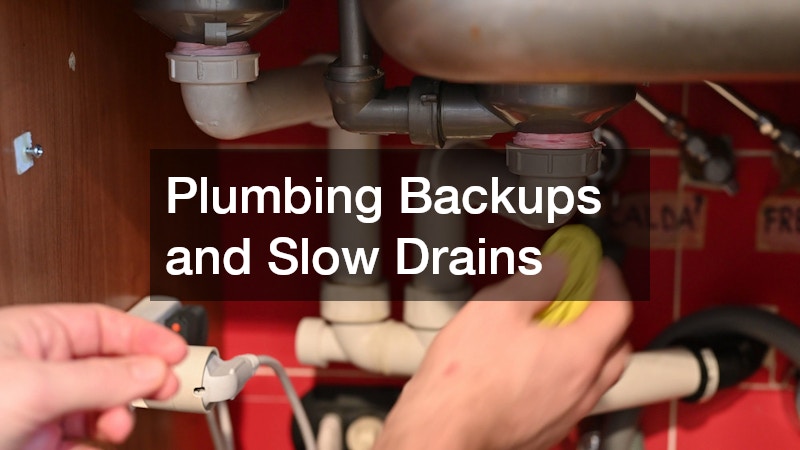
A slow drain rarely fixes itself, and ignoring it usually means the clog is building rather than clearing on its own. Hair, grease, soap residue, and mineral buildup accumulate gradually inside pipes, and by the time water is pooling around your feet in the shower, the blockage is often significant. In older homes, a persistent clogged drain can also be a sign of deeper issues like tree root intrusion or a collapsing sewer line further down the system.
Chemical drain cleaners can offer temporary relief but often damage older pipes with repeated use, so it is worth understanding when a problem needs a professional snake or camera inspection instead. Catching a slow drain early prevents the kind of backup that can flood a bathroom or kitchen overnight.
- Avoid pouring grease or coffee grounds down kitchen sinks
- Use drain guards to catch hair and debris in bathrooms
- Address gurgling sounds immediately, as they signal trapped air from a blockage
- Consider a camera inspection if backups happen repeatedly in the same spot
Backyard Pools and Structural Safety Checks
A backyard pool is a major investment, but the structure surrounding it needs just as much attention as the water itself. Cracked decking, unstable ladders, and worn pool fencing latches are common hazards that homeowners often overlook until someone gets hurt. Over time, the pool’s plaster or vinyl liner can also degrade, leading to leaks that quietly waste thousands of gallons of water each month.
Working with experienced pool contractors for a seasonal safety check helps confirm that drains, filtration systems, and electrical components near the water all meet current safety codes. This is especially important for older pools that were built before modern anti-entrapment drain covers became standard.
- Test pool fence gates to confirm they self-close and self-latch
- Inspect for cracks in the pool deck that could cause trips or falls
- Check that pool lighting is properly grounded and sealed
- Monitor water levels weekly to catch leaks early
Well Water Systems and Pressure Problems
Homes on well water depend on a pump that most people never think about until the faucet suddenly sputters or stops altogether. A pump nearing the end of its lifespan often shows warning signs first, including inconsistent water pressure, a noticeable drop in water quality, or a pump that cycles on and off more frequently than usual. These symptoms usually mean the system is struggling to maintain pressure and could fail completely without notice.
A well-timed water pump replacement can prevent the inconvenience of waking up with no running water at all, which is especially disruptive for families with children or medical needs. Because well systems also tie into pressure tanks and electrical wiring, it’s worth having a professional evaluate the entire setup rather than replacing just the pump in isolation.
- Watch for cloudy or sediment-filled water, which can indicate pump wear
- Note any unusual humming or grinding noises from the pump housing
- Track water pressure changes room to room
- Have the pressure tank tested annually for waterlogging
Window Coverings and Energy Efficiency Gaps
Windows are a bigger contributor to energy loss than most homeowners realize, and outdated or poorly fitted coverings make the problem worse. In the summer, uncovered west-facing windows can raise indoor temperatures significantly during peak afternoon hours, forcing cooling systems to work overtime. In the winter, the same windows let heat escape, driving up bills and creating cold spots throughout the house.
Many homeowners are now turning to smart blinds installation as a way to automate coverage based on the sun’s position throughout the day without having to manually adjust every window. Beyond energy savings, automated coverings also add a layer of privacy and security by making a home look occupied even when no one is there.
- Choose insulating cellular shades for rooms with the most direct sunlight
- Schedule coverings to close during peak afternoon heat automatically
- Look for coverings with UV-blocking fabric to protect furniture
- Pair automated systems with a smart thermostat for maximum efficiency
Entry Point Locks and Home Security Weak Spots
A home is only as secure as its weakest lock, and many older homes still rely on hardware that is decades old and easy to bypass. Doorframes that have shifted with the house’s foundation can also prevent deadbolts from fully engaging, leaving a gap that looks locked but isn’t secure. Sliding doors are another common weak point, since many rely on a flimsy latch rather than a secondary security bar or pin.
Bringing in a reputable locksmith company to audit every entry point, including garage doors and basement windows, gives homeowners a clear picture of where they are exposed. This is especially important after moving into a new home, since previous owners or renters may still have copies of old keys.
- Rekey all locks immediately after purchasing a home
- Install strike plates with three-inch screws for added door strength
- Add secondary locks to sliding glass doors
- Consider smart locks with activity logs for added visibility
Moving Day Hazards That Damage Homes and Belongings

Moving is one of the most physically demanding days a household will experience, and it is also when a surprising amount of home damage occurs. Heavy furniture dragged across floors can scratch hardwood or crack tile, while doorframes and stairway walls often take the brunt of awkward turns with large items. Rushing to finish the move quickly tends to be the biggest factor behind these accidents.
Hiring an experienced moving company can reduce the risk of injury and property damage significantly, since trained movers know how to navigate tight stairwells and protect flooring with proper equipment. It’s worth asking any company about their insurance coverage in case something is damaged despite their best efforts.
- Use furniture sliders on hardwood and tile floors
- Measure doorways and stairwells before moving large items
- Wrap corners and door frames with moving blankets
- Confirm insurance coverage before move-in day
Outdoor Living Spaces That Need Structural Attention
Decks, patios, and pergolas take a beating from weather year-round, and structural problems often develop slowly enough that they go unnoticed until someone puts real weight on a weak board. Wood that feels spongy, nails that have popped up, or railings that wobble when pushed are all signs that the structure needs attention before it becomes a safety hazard. Ground-level connections, especially where posts meet concrete footings, are particularly prone to rot and insect damage.
Investing in custom decks outdoor living upgrades built with rot-resistant materials and proper drainage can prevent many of these issues from developing in the first place. Regular sealing and a yearly inspection of fasteners and support beams go a long way toward keeping an outdoor space safe for gatherings.
- Check for loose or rusted fasteners every spring
- Look for gaps or soft spots where posts meet the ground
- Reseal wood decking every one to two years
- Confirm railings can withstand lateral pressure
Wall-Mounted Electronics and Hidden Wiring Risks
Mounting a television on the wall looks simple, but the process involves more than just finding a stud and drilling holes. Improperly anchored mounts can pull away from drywall under the weight of a large screen, creating a serious hazard for children or pets nearby. Hidden electrical wiring or plumbing inside the wall can also be accidentally damaged during installation if the area isn’t scanned beforehand.
Professional TV mounting services typically include locating studs, checking for concealed wiring, and concealing cables neatly so they don’t become a tripping or fire hazard. This attention to detail protects both the wall structure and the electronics themselves from long-term damage.
- Use a stud finder rated for both wood and metal studs
- Confirm the mount’s weight rating matches your television
- Route cords through in-wall channels to avoid exposed wiring
- Avoid mounting near heat sources like fireplaces or vents
None of these vulnerabilities announce themselves loudly until they become expensive or dangerous problems, which is exactly why routine attention matters more than reactive fixes. Walking through your home with this list in mind, room by room and system by system, is a practical first step toward real peace of mind. When something looks beyond a simple DIY fix, don’t hesitate to bring in a qualified professional who can confirm whether it’s a minor issue or a bigger one in disguise. Taking these small steps now protects both your property and the people who matter most inside it.
