
Rust-colored water or corroded pipes can be alarming the first time you notice them, but they are also a valuable clue about what is happening beneath your home. Discoloration, flaking metal, and mineral crust do not just signal an aging plumbing system, they often point directly back to the water source feeding your house. Understanding what causes this corrosion can help you decide whether the fix is a simple filter, a plumbing repair, or a deeper look at your well itself. Before you spend money on the wrong solution, it helps to know what your pipes are actually trying to tell you.
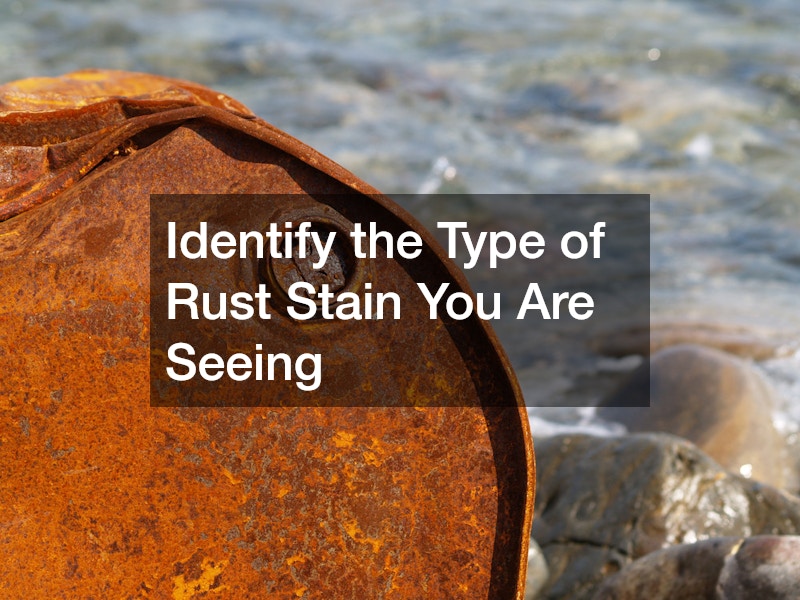
Identify the Type of Rust Stain You Are Seeing
Not all discoloration is created equal, and the color of the stain can narrow down the source of the problem quickly. Reddish-brown or orange streaks usually point to iron, often showing up first around drains, toilet bowls, and the bottom of sinks or tubs. Black stains, sometimes with a slimy texture, typically indicate manganese, which frequently travels alongside iron in groundwater. Blue-green stains suggest copper pipe corrosion from acidic water, and this pattern shows up most often on fixtures fed by copper supply lines rather than at the main water source.
Knowing the difference matters because iron and manganese are naturally occurring minerals, common in well water and municipal supplies drawn from mineral-rich groundwater. They’re a cosmetic and taste nuisance more than an urgent safety issue, though high concentrations can still clog fixtures and stain laundry over time. Copper staining is a different story: it’s a sign the water itself may be too acidic (typically below a pH of 6.5) and is actively eating away at your plumbing. Left unaddressed, this corrosion can shorten the life of copper pipes and, in more severe cases, elevate copper levels in drinking water beyond safe limits. If you notice blue-green stains, it’s worth having your water tested rather than just cleaning the fixture and moving on.
Rust stains generally fall into two color categories, and the shade offers a clue about what’s happening inside your pipes. Reddish-brown or orange stains typically point to iron in the water supply or corroding galvanized steel pipes, while dark brown or black stains often signal manganese or more advanced pipe corrosion. Bluish-green stains are a different animal entirely, indicating copper pipe corrosion rather than iron-related rust.
Taking note of where the stains appear, such as only in one bathroom versus the whole house, also helps identify whether the issue is isolated plumbing corrosion or a whole-house water quality problem. A single fixture with staining usually means that specific pipe or fixture is corroding, while stains showing up in every sink, tub, and toilet suggest the problem originates at the main water line or the water source itself.
It’s also worth checking whether the stains show up right after the water sits unused for several hours, such as first thing in the morning, versus appearing consistently throughout the day. Stains that worsen after standing water often point to internal pipe corrosion, whereas stains present from the very first drop of water suggest the iron or manganese is coming from your municipal supply or well.
- Reddish-brown or orange stains typically mean dissolved iron, common in homes on well water or served by aging municipal iron pipes
- Black stains often indicate manganese buildup, which frequently travels alongside iron and thrives in low-oxygen groundwater
- Blue-green stains suggest corrosive, low pH water attacking copper pipes, often paired with a metallic taste
- Stains on fixtures only after periods of disuse can point to standing water reacting with old pipes, such as after a vacation or in a rarely used guest bathroom
- Yellow or brownish stains appearing only in hot water can signal a corroding water heater tank rather than the pipes themselves
- Widespread stains across every faucet in the house usually point to a source-level issue, while isolated stains suggest a single failing pipe or fixture
Understand Why Well Water Causes More Corrosion
Homes on private wells are more prone to mineral-related pipe corrosion than homes on municipal water because well water travels directly from the ground without the treatment steps city supplies typically receive. Groundwater naturally picks up iron, manganese, and sometimes hydrogen sulfide as it moves through soil and rock layers, and these minerals accelerate rust formation once they interact with metal piping and fixtures. Over time, this can shorten the lifespan of water heaters, faucets, and even the well pump itself.
If your rust problems seem to track with wet seasons or shifts in your local water table, that is often a sign the groundwater chemistry itself is the root cause rather than the pipes alone.
- Untreated groundwater often carries higher mineral content than treated municipal water
- Iron bacteria in wells can create slimy reddish buildup inside pipes
- Seasonal rainfall can change mineral concentration in well water
- Older wells may draw from rock layers with naturally higher iron content

Test Your Water Before Assuming the Worst
Rust-colored water does not always mean your pipes are failing, so testing is the most reliable way to confirm what is actually in your water. A basic water test can measure iron, manganese, pH, and hardness levels, giving you a clear picture of whether the problem originates from the source or from the plumbing itself. Many homeowners are surprised to learn their pipes are healthy and the real culprit is untreated groundwater.
- Test iron and manganese levels separately, since both cause different types of staining
- Check pH levels to rule out corrosive water damaging copper or galvanized pipe
- Test after heavy rain or drought to see how conditions affect mineral levels
- Repeat testing annually if you rely on a private well
Know When to Call in a Professional for Help
If testing reveals that your well itself is contributing to the problem, such as sediment intrusion, a failing casing, or a pump pulling in more minerals than usual, it is time to bring in a professional water well service rather than trying to fix the issue at the tap. A qualified water well service can inspect the well casing, check the pump condition, and determine whether the aquifer or the equipment is behind the change in water quality. This step is especially important if rust and discoloration appeared suddenly rather than gradually, since sudden changes often mean something mechanical or structural has shifted underground.
- Sudden discoloration can indicate a cracked casing or pump failure
- Increased sediment may signal the well has shifted or is drawing from a new depth
- A professional inspection can rule out contamination risks beyond just rust
- Regular well maintenance can extend the life of the pump and plumbing system
Decide Whether Filtration or Well Replacement Makes Sense
For many households, the long-term fix is not replacing pipes but treating the water before it ever reaches them. A home water filtration system designed for iron and manganese removal can eliminate staining at the source, protect your appliances, and extend the life of your plumbing. These systems range from simple sediment filters to whole-house iron filtration and water softening combinations, depending on how severe the mineral content is.
In cases where the well itself is old, poorly placed, or drawing from a depleted aquifer, filtration alone may not solve the problem, and new well drilling could be the more cost-effective long-term solution. Drilling a new well to a deeper, cleaner aquifer can sometimes resolve chronic mineral issues that no filter can fully manage.
- Whole-house filtration systems can target iron, manganese, and sulfur simultaneously
- Water softeners help with hardness but are not a substitute for iron filtration
- Filter maintenance schedules should be followed to avoid reduced effectiveness
- In severe cases, relocating or redrilling a well may outperform ongoing filtration costs
Rusty pipes are rarely just a cosmetic nuisance, they are a signal worth investigating before the damage spreads to your appliances or plumbing system. Start with a water test to understand exactly what you are dealing with, then decide whether the right next step is professional well maintenance, a filtration upgrade, or a deeper look at the well itself. Taking action early can save you from costly repairs and give you confidence in the water flowing through your home.
