
A finished basement can add real living space and value to your home, but rushing into drywall and flooring without checking for hidden moisture problems is one of the costliest mistakes homeowners make. Water doesn’t always announce itself with a puddle on the floor; it can travel silently through walls, under slabs, and behind insulation for months before you notice a stain or smell. Before you pick paint colors or order carpet, it pays to understand exactly where your basement stands on moisture and drainage. This article walks you through the key checks worth doing first, so your renovation investment doesn’t end up trapped behind a wall with a slow leak.
Cracks in Foundation Walls and Slabs
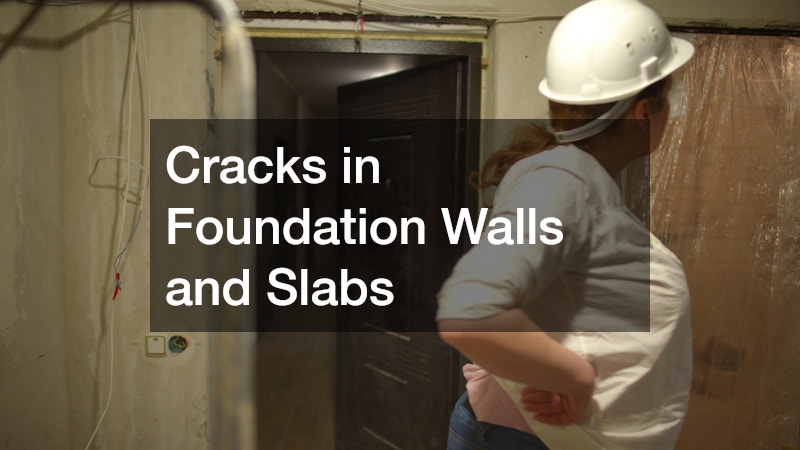
Foundation cracks are one of the most common entry points for groundwater, yet many homeowners dismiss them as cosmetic. Hairline cracks in poured concrete walls can widen over time as the ground freezes, thaws, and shifts, especially in older homes. A crack that looks dry today may still be actively wicking moisture into the surrounding concrete, which becomes a bigger problem once you seal it behind new framing and drywall.
Before renovating, walk the entire basement perimeter and inspect both walls and the slab itself for cracking, discoloration, or efflorescence, the chalky white residue left behind by evaporating water. Pay close attention to corners, around window wells, and anywhere pipes or utility lines penetrate the foundation, since these are common weak points.
- Look for efflorescence, rust stains, or peeling paint near the base of walls
- Check for cracks wider than a quarter inch or that run diagonally
- Note any cracks that feel damp to the touch, even if no water is visible
- Inspect areas around windows, doors, and utility penetrations closely
Grading and Drainage Around the Exterior
What happens outside your home has a direct impact on what happens inside your basement. If the soil around your foundation slopes toward the house instead of away from it, rainwater and melting snow will pool against the walls and eventually find their way in. This is one of the simplest issues to check and one of the most frequently overlooked before a renovation begins.
Gutters and downspouts play a bigger role than most people realize. If downspouts empty right next to the foundation instead of directing water several feet away, you are essentially funneling rainwater straight toward your basement walls every time it storms.
- Confirm the ground slopes away from the foundation at least six inches over ten feet
- Check that downspouts extend at least four to six feet from the house
- Look for gutters that overflow or sag, which suggests clogs or improper pitch
- Watch for soil erosion patterns after a rainstorm, which reveal where water pools
Sump Pump Function and Backup Power
If your basement has a sump pump, its condition should be one of the very first things you evaluate before renovation work begins. A sump pump that fails during a heavy storm can undo months of finishing work in a matter of hours, so it deserves more than a quick glance. Testing it under real conditions, not just checking that it hums when you pour a bucket of water into the pit, gives you a truer picture of its reliability.
Arranging a professional pump service before construction starts is one of the smartest precautions a homeowner can take. A technician can assess motor wear, check the float switch, clear sediment from the pit, and confirm the discharge line is clear and properly directed away from the home, catching small issues before they become renovation-ending failures.
- Test the pump manually by pouring several gallons of water into the sump pit
- Listen for unusual grinding, rattling, or straining sounds during operation
- Confirm there is a battery backup system in case of power outages
- Check that the discharge pipe empties well away from the foundation
Plumbing Lines Hidden Behind Walls and Ceilings
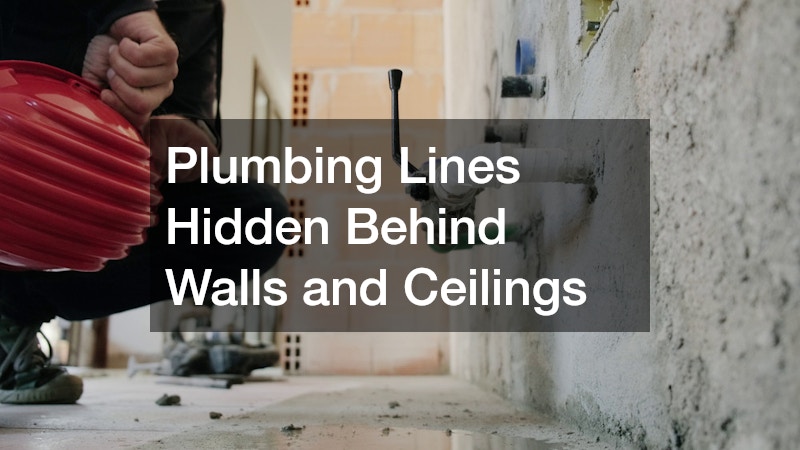
Many basements have plumbing running through them, whether it is supply lines from an upstairs bathroom, drain pipes, or a laundry hookup. These lines are often decades old and can develop small leaks at joints, valves, or fittings long before they cause a visible problem. Once new walls go up, a slow drip can soak insulation and framing for weeks without anyone noticing until mold or a soft spot in the drywall gives it away.
This is exactly the kind of hidden problem that electronic leak detection is designed to catch before construction begins. Using acoustic sensors or moisture meters, a technician can identify leaks inside walls, under slabs, or behind fixtures without any demolition, giving you a clear picture of your plumbing’s condition before it gets sealed behind new materials. Catching a pinhole leak at this stage can save thousands of dollars in repairs down the road.
- Check exposed pipes for corrosion, mineral buildup, or small drips at joints
- Look for water stains on ceiling tiles or subfloor above the basement
- Note any musty odors near plumbing walls, which can indicate hidden moisture
- Ask about scanning technology if your basement plumbing is original to the home
Window Wells and Below Grade Openings
Basement windows sit at or below ground level, which makes their window wells a common but often ignored source of water intrusion. Debris, leaves, and dirt can accumulate in a well over time, blocking drainage and allowing water to pool right against the window frame. Once that seal is compromised, water can seep in during even a moderate rainstorm.
A proper window well should have a gravel base and a drain connected to your foundation’s drainage system, though many older homes were never built this way. Adding a clear plastic cover can reduce debris buildup and rainwater accumulation, buying you extra protection without much cost or effort.
- Clear out leaves, dirt, and debris from window wells at least twice a year
- Check that wells have proper drainage rather than a solid, sealed bottom
- Look for gaps or cracked caulking around the window frame itself
- Consider adding a well cover if your basement lacks one already
A basement renovation is only as good as the foundation it’s built on, both literally and in terms of moisture control. Taking the time to inspect cracks, grading, your sump pump, hidden plumbing, and window wells before construction begins can save you from tearing out brand new finishes later. Think of this groundwork as cheap insurance against a problem that is far more expensive to fix once it’s hidden behind drywall. Start with a thorough walkthrough of your space, and don’t hesitate to bring in a professional for anything you can’t fully assess on your own.
