
The water flowing from your tap looks clear and tastes fine, but that doesn’t mean it’s free of problems. Hidden minerals, aging pipes, and contaminants can quietly wear down your plumbing, stain your fixtures, and even affect your family’s health over time. Many homeowners never think twice about their water quality until they notice a strange smell, a rash after showering, or a corroded pipe fitting.
Understanding what’s actually in your water is the first step toward protecting both your home and the people living in it.
Hard Water Mineral Buildup in Pipes and Appliances
Hard water contains high levels of calcium and magnesium, and while it isn’t typically dangerous to drink, it wreaks havoc on your home’s infrastructure. Over months and years, these minerals form scale deposits inside pipes, water heaters, dishwashers, and washing machines, gradually restricting flow and forcing appliances to work harder. This added strain shortens the lifespan of expensive equipment and can lead to premature failures that catch homeowners off guard.
You can usually spot hard water damage before it becomes a costly repair if you know what to look for. Chalky white residue on faucets, cloudy spots on glassware, and soap that refuses to lather well are all telltale signs. Many homeowners eventually turn to water softeners to address the root cause rather than repeatedly cleaning up the symptoms, since softening systems remove the minerals before they ever reach your pipes.
- White or crusty buildup around faucet heads and showerheads
- Dishes and glasses coming out of the dishwasher spotted or cloudy
- Reduced water pressure from mineral-clogged pipes
- Dry skin and dull, straw-like hair after bathing
- Appliances failing years earlier than their expected lifespan
Corrosion and Aging Plumbing Materials
Older homes often have plumbing made from galvanized steel or, in some cases, lead, both of which can degrade over time and introduce metal particles into your drinking water. Acidic water with low pH accelerates this corrosion process, eating away at pipe walls from the inside out. The result isn’t just an aesthetic issue like rust-colored water; it can mean actual metal contamination in the water your family drinks daily.
Corrosion doesn’t happen overnight, so many homeowners miss the warning signs until a pipe bursts or a fixture fails completely. Reddish-brown stains in sinks and tubs, a metallic taste, or reduced water pressure are all early indicators worth investigating. If you notice these symptoms, it’s worth having your water tested and your pipes inspected before the damage spreads further into your home’s plumbing network.
- Rust-colored or brownish tint to tap water
- Metallic taste that wasn’t there before
- Pinhole leaks appearing in copper or steel piping
- Stained laundry after washing with tap water
Well Water Contamination and Private Supply Risks
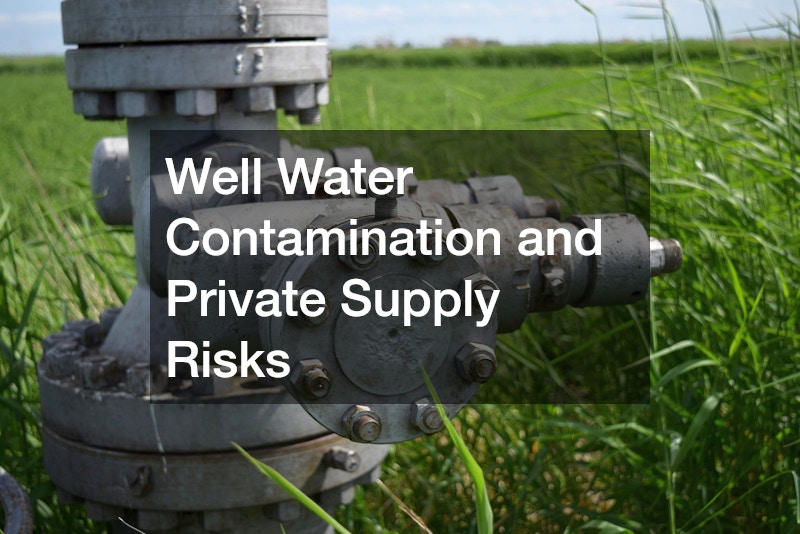
If your home relies on a private well rather than municipal water, the responsibility for monitoring water quality falls entirely on you. Wells can be affected by nearby agricultural runoff, septic system leaks, or naturally occurring substances like iron, sulfur, and arsenic seeping in from the surrounding soil. Without regular testing, these issues can go unnoticed for years while slowly affecting both your plumbing and your health.
Mechanical problems can compound the issue, since a failing well system may pull in sediment or allow contaminants to enter through compromised seals. Scheduling routine well pump service helps catch these mechanical failures early, ensuring the pump is drawing water efficiently and the system isn’t introducing debris or air into your supply. Pairing regular maintenance with annual water testing gives you a much clearer picture of what’s actually coming out of your tap.
- Test well water annually for bacteria, nitrates, and heavy metals
- Watch for changes in water color, smell, or taste after heavy rain
- Have pressure tanks and pumps inspected on a routine schedule
- Replace or service well casings and seals that show wear
Health Effects of Everyday Contaminants
Beyond the damage to pipes and appliances, certain contaminants found in tap water can have real consequences for your health. Chlorine byproducts, lead, PFAS chemicals, and bacteria have all been linked to various health concerns ranging from skin irritation to more serious long-term risks. Children, pregnant women, and people with compromised immune systems tend to be more vulnerable to these effects, making water quality a family-wide concern rather than an individual one.
The tricky part is that many contaminants are invisible and odorless, so relying on your senses alone isn’t a reliable strategy. A certified lab test remains the most accurate way to know exactly what’s in your water and at what concentration. Once you have those results, you can make informed decisions about which specific treatment approach actually addresses your situation instead of guessing.
- Skin rashes, dryness, or eczema flare-ups linked to chlorine exposure
- Gastrointestinal issues from bacterial contamination
- Long-term exposure risks associated with lead and heavy metals
- Unexplained odors like a rotten egg smell signaling sulfur or bacteria
Choosing the Right Home Water Treatment Solution
Once you understand what’s actually in your water, choosing the right treatment approach becomes much easier. A whole-house water filtration system is often the most comprehensive option, capturing sediment, chlorine, and various chemical contaminants before water reaches any faucet in your home. Unlike a simple pitcher filter, these systems treat water at the point of entry, protecting your plumbing and every appliance connected to it.
Not every home needs the same setup, and combining treatment methods often produces the best results. Homes dealing with hard water may benefit from pairing a filtration system with a softening unit, while homes with bacterial concerns might need a UV purification component added in. Consulting with a water treatment specialist after testing helps ensure you’re not overpaying for capabilities you don’t need or underprotecting against risks you do have.
- Sediment filters for reducing dirt, rust, and particulate matter
- Carbon filtration for chlorine taste and odor removal
- Reverse osmosis for the most thorough contaminant reduction
- UV purification for bacteria and microorganism control
Conclusion
Your tap water can look perfectly normal while still causing slow, cumulative damage to your home and your health. The good news is that these problems are entirely manageable once you know what you’re dealing with. Start with a water quality test, keep an eye on your plumbing and well equipment, and treat any warning signs as an opportunity to act early rather than wait for a costly repair. Taking these steps now protects both your investment in your home and the well-being of everyone living in it.
