
If you have noticed chalky residue on your faucets, weak water pressure, or appliances that seem to fail sooner than they should, hard water may be the hidden culprit. Minerals like calcium and magnesium build up quietly inside your plumbing and appliances, often for years before the damage becomes obvious. Understanding the early warning signs can save you from costly repairs or premature replacements down the road. Below are the key indicators that hard water is taking a toll on your home, along with what you can do about it.
White Mineral Buildup on Fixtures and Faucets
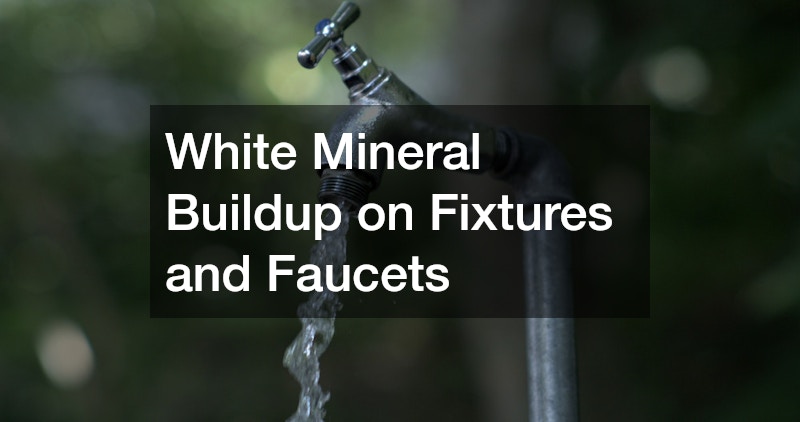
One of the earliest and most visible signs of hard water damage is the chalky white or greenish crust that forms around faucet heads, showerheads, and drain openings. This residue, known as limescale, is made up of calcium and magnesium deposits left behind as hard water evaporates. While it may seem like a cosmetic issue at first, limescale buildup can restrict water flow and gradually corrode metal fixtures if left untreated.
Over time, this buildup spreads beyond what you can see, coating the inside of pipes and appliance components. The longer it accumulates, the harder it becomes to remove without professional tools or chemical treatments.
- Check faucet aerators every few months for crusty deposits
- Look for cloudy spots on glass shower doors that do not wipe away easily
- Inspect showerheads for reduced or uneven water spray patterns
- Notice any greenish-white rings forming around drains
Reduced Water Pressure Throughout the House
If your once-strong shower has turned into a weak trickle, hard water mineral deposits could be narrowing the interior diameter of your pipes. As calcium and magnesium scale accumulates on pipe walls, it effectively shrinks the space available for water to flow through, much like plaque narrowing an artery. This process happens gradually, so many homeowners do not notice until the pressure drop becomes significant.
Low water pressure is not just an inconvenience; it is often a symptom of a larger plumbing problem developing behind your walls. Addressing the root cause early, rather than simply living with weaker water flow, can prevent more extensive pipe damage later.
- Compare water pressure in multiple rooms to identify a pattern
- Test pressure at outdoor spigots versus indoor faucets
- Watch for pressure that fluctuates depending on time of day
- Note if pressure loss coincided with the installation of new fixtures
Frequent Appliance Repairs or Early Failures
Washing machines, dishwashers, water heaters, and coffee makers all rely on consistent water flow and heating elements that are especially vulnerable to scale buildup. When hard water minerals coat heating coils inside a water heater, the appliance has to work harder to heat water, which increases energy use and shortens its lifespan. Similarly, dishwashers and washing machines can develop clogged spray arms or valves that lead to poor performance and eventual breakdowns.
Many homeowners are surprised to learn that appliances rated to last ten to fifteen years may fail in half that time simply because of untreated hard water. Manufacturers often note in warranty documentation that mineral scale damage is not covered, making this an expensive lesson to learn after the fact.
- Watch for water heaters that take longer to produce hot water
- Notice dishes or glassware coming out of the dishwasher spotted or cloudy
- Check for unusual rattling or knocking sounds from appliances
- Track how often you are calling for appliance repairs compared to previous years
Stains and Residue on Sinks, Tubs, and Laundry
Hard water often leaves behind reddish-brown or orange stains around sinks and tubs, which are typically caused by high iron content combined with mineral deposits. These stains can be stubborn and may require specialized cleaners to remove, especially once they have set into porcelain or grout over time. In some cases, water with a higher mineral content can also shift toward more alkaline water, which affects how soap and detergent interact with surfaces in your home.
Laundry is another area where hard water damage shows up clearly. Clothes washed repeatedly in mineral-heavy water often feel stiff, look dull, or wear out faster than expected because the minerals interfere with detergent effectiveness and leave residue embedded in fabric fibers.
- Inspect bathtub and sink surfaces for orange or brown discoloration
- Feel towels and clothing for a rough or scratchy texture after washing
- Notice soap that does not lather well or rinses away slowly
- Check white laundry for a grayish tint developing over time
Consider Testing and Treatment Options
If you are noticing several of these warning signs at once, it is worth having your water tested to determine exactly how hard it is and what minerals are present. Many local utility companies or hardware stores offer simple test kits, though a more detailed analysis from a water treatment specialist will give you clearer answers. Once you understand your water’s mineral content, you can decide whether installing water conditioners makes sense for your household’s needs.
Water conditioners work by altering the way minerals behave in your plumbing system, often reducing the likelihood of scale buildup without fully stripping the water of its natural mineral content. This is different from a traditional water softener, which uses salt to remove hardness minerals entirely. For homeowners who prefer not to add sodium to their water supply, conditioning systems can be an appealing middle-ground solution worth discussing with a professional.
- Request a water hardness test before making any equipment decisions
- Ask about the difference between softening and conditioning systems
- Compare maintenance requirements for each treatment option
- Factor in installation costs against long-term appliance savings
Know When to Call in Professional Help
Some signs of hard water damage go beyond what a homeowner can diagnose or fix alone, particularly if you suspect corrosion inside walls or extensive scale buildup in older galvanized pipes. In these situations, reaching out to water remediation services can help identify hidden damage before it turns into a leak or burst pipe. These professionals use specialized equipment to inspect plumbing systems and recommend targeted solutions based on your home’s specific condition.
Acting early is almost always less expensive than waiting for a full-blown plumbing emergency. A professional assessment can also confirm whether your appliance issues are truly hard water related or stem from a separate mechanical problem, saving you from replacing equipment unnecessarily.
- Schedule an inspection if you notice recurring leaks near pipe joints
- Ask for a full assessment if multiple appliances fail within a short period
- Request documentation of findings for insurance or resale purposes
- Get a second opinion before committing to major repiping work
Hard water damage rarely announces itself all at once; instead, it builds slowly through stains, weakened pressure, and appliances that wear out faster than they should. Paying attention to these signs early gives you the chance to address the problem before it leads to costly plumbing repairs or full appliance replacements. Start by observing your fixtures and water pressure over the next few weeks, and consider a water hardness test if you notice any of the patterns described above. Taking action now can extend the life of your home’s plumbing and appliances for years to come.
