
Every home is a network of interconnected systems that quietly do their jobs until the day they suddenly don’t. Small delays in maintenance rarely cause immediate problems, which is exactly why neglect is so easy to fall into and so expensive to fix later. Understanding which systems break down fastest when ignored can help you prioritize your time, budget, and attention before a minor issue becomes a five-figure emergency. This guide walks through the home systems most vulnerable to long-term neglect and what typically happens when they’re left unchecked.
HVAC Systems Under Chronic Neglect
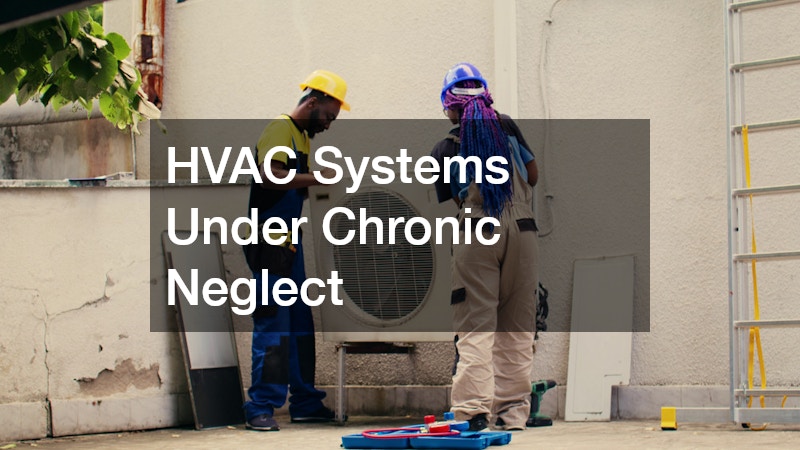
Heating and cooling systems are some of the hardest-working components in any home, cycling on and off daily for years without complaint. That constant duty cycle is exactly why neglect compounds so quickly: a system that runs for hours every day has far less tolerance for dirty filters or low refrigerant than one used occasionally. When filters go unchanged and coils stay dirty, the system has to work harder to reach the same temperature, which accelerates wear on the compressor and other internal parts. A clogged filter alone can reduce airflow enough to force the blower motor to strain, while dirty evaporator or condenser coils lose much of their ability to transfer heat efficiently. Add in neglected ductwork, low refrigerant, or a dirty condensate line, and the system ends up burning significantly more energy just to hold steady. This added strain also shortens the lifespan of parts that are expensive to replace, particularly the compressor, which is often the single costliest component in the entire unit. A system that could have lasted fifteen to twenty years with basic annual maintenance may falter after eight or ten under chronic neglect. Homeowners often don’t notice the decline until utility bills creep upward or rooms start heating and cooling unevenly. Left unaddressed long enough, minor inefficiencies snowball into total breakdowns, often during the hottest or coldest week of the year when you need the system most. That timing is rarely a coincidence — peak demand is when a strained system is pushed hardest, exposing every weak point neglect has created. By the time it fails completely, the fix is rarely a simple repair; it’s usually a full replacement at a far higher cost than years of routine upkeep would have required.
HVAC systems rarely fail overnight—they degrade gradually through years of skipped filter changes, dirty coils, and ignored strange noises. Routine air conditioning repair can catch small issues like refrigerant leaks or worn capacitors before they force a full system failure. A $150 service call to replace a failing capacitor is a minor expense; the compressor burnout that results from ignoring that same warning sign can run $2,000 or more. Homeowners who skip annual inspections for five or more years often find that the cost of continued patch-up repairs eventually exceeds the cost of AC replacement altogether. Dirty condenser coils force the compressor to work harder, driving up energy bills by 10-20% while shortening the unit’s lifespan. Low refrigerant from an undetected slow leak doesn’t just reduce cooling—it can cause the compressor to overheat and seize entirely, turning a $200 fix into a total system loss. At that point, replacing the unit isn’t just about comfort, it’s often the more financially responsible choice. A general rule of thumb in the industry is the “5,000 rule”: multiply the age of the unit by the repair cost, and if the total exceeds 5,000, replacement makes more financial sense than continued repairs. For a 12-year-old system needing a $500 fix, that math already tips toward replacement—and neglected units rarely stop at just one repair.
- Dirty filters restrict airflow and force the system to overwork, spiking energy bills by 15% or more; check monthly and replace every 60-90 days
- Neglected refrigerant leaks can damage the compressor permanently, turning a $200 repair into a $2,000+ replacement
- Unchecked ductwork leaks waste energy and reduce efficiency, with the average home losing 20-30% of conditioned air through gaps and disconnected joints
- Skipped annual tune-ups let minor issues like worn belts or loose electrical connections go unnoticed until they cause bigger failures
- Ignoring strange noises — banging, squealing, or grinding — often precedes a complete breakdown within weeks
- Clogged condensate drain lines can cause water damage and mold growth, especially in humid climates
- Units older than 12-15 years are more prone to sudden failure, and replacement parts become harder and pricier to source as models age out of production
Plumbing Pipes and Drain Lines
Plumbing problems tend to develop slowly and silently behind walls and under floors, which makes them easy to ignore until water damage appears. Mineral buildup, grease accumulation, and root intrusion all narrow pipe diameters over time, reducing flow and increasing pressure on aging joints. A home that hasn’t had its plumbing inspected in a decade or more is often carrying hidden vulnerabilities that only surface during a major clog or burst.
Scheduling periodic drain cleaning is one of the simplest ways to prevent slow leaks from turning into flooded basements or collapsed sewer lines. Professional cleaning clears buildup that household chemical treatments can’t fully dissolve, and it also gives a technician the chance to spot early warning signs like corrosion or bellied pipes. Waiting until water backs up into sinks or tubs usually means the problem has already progressed past a simple fix.
- Grease and soap buildup narrow pipes gradually over years
- Tree roots can infiltrate underground sewer lines through tiny cracks
- Old galvanized pipes corrode from the inside, reducing water pressure
- Slow drains are often an early warning sign, not a minor annoyance
- Ignoring small leaks can lead to mold growth inside walls
Roofing Materials and Structural Integrity
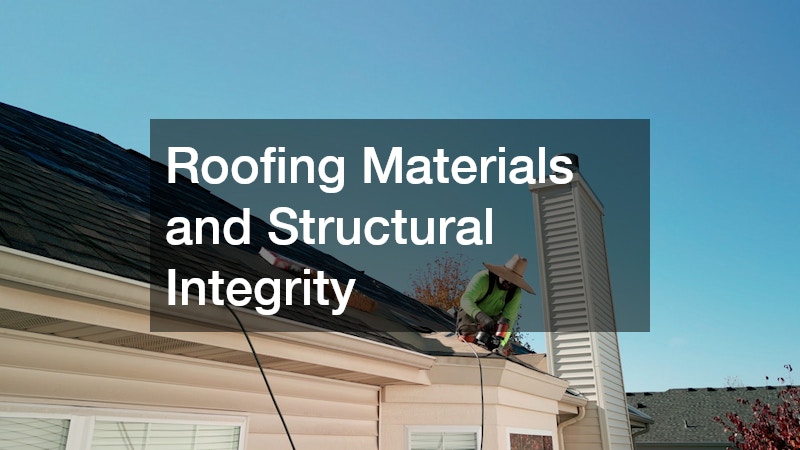
A roof is designed to protect everything beneath it, but that protection weakens gradually as shingles crack, flashing loosens, and granules wear away. Because roof damage is rarely visible from inside the house, many homeowners don’t realize there’s a problem until a ceiling stain or active leak appears. By that point, water may have already compromised the underlying decking or insulation.
Bringing in experienced roofers for a periodic inspection is far less expensive than dealing with structural rot or interior water damage caused by years of unnoticed wear. Most roofing materials are rated for 20 to 30 years, but that lifespan assumes reasonably regular upkeep, not total neglect. Catching a handful of damaged shingles early is a minor repair, while ignoring them can mean replacing large sections of decking, insulation, and drywall.
- Missing or curling shingles allow water to seep beneath the surface
- Clogged gutters cause water to pool and damage roof edges
- Flashing around chimneys and vents deteriorates faster than shingles
- Moss and algae growth can trap moisture against roofing material
- Attic ventilation problems accelerate roof aging from underneath
Exterior Siding and Weatherproofing
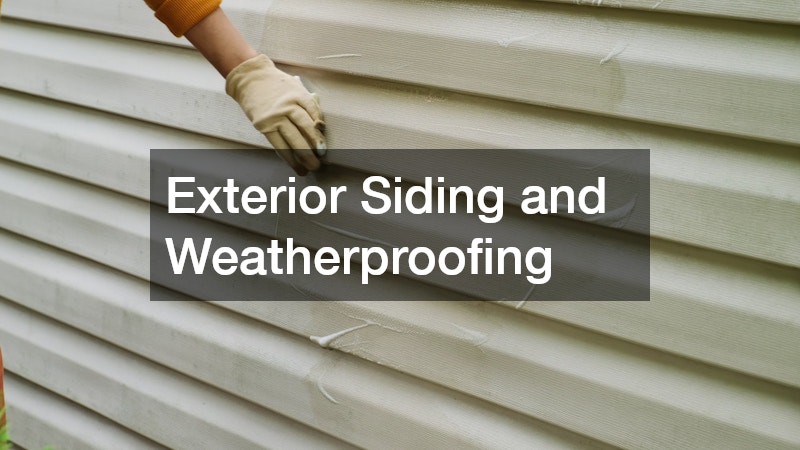
Siding acts as a home’s first line of defense against rain, wind, and temperature swings, but it takes on damage gradually in ways that are easy to overlook. Cracked, warped, or loose panels allow moisture to seep behind the exterior wall, where it can rot sheathing and encourage mold growth long before any problem is visible from the street. Because this damage happens out of sight, many homeowners don’t address it until repairs become extensive.
A qualified siding company can identify small areas of water intrusion or insect damage during a routine exterior inspection, often resolving issues with targeted patchwork rather than a full replacement. Waiting years between inspections tends to let isolated problems spread across entire wall sections. Investing in periodic upkeep protects not just curb appeal but the structural wood and insulation hidden underneath.
- Cracked panels let moisture seep into wall cavities
- Faded or warped siding often signals sun and moisture damage
- Pest infestations can go unnoticed behind damaged siding
- Poor caulking around windows accelerates water intrusion
- Replacing small sections early is cheaper than full re-siding later
Garage Doors and Automatic Openers
Garage doors are used dozens of times a week, yet their mechanical components rarely get a second thought until something jams or fails to close. Springs, cables, and rollers wear down gradually from repeated tension and movement, and without lubrication or adjustment, they become prone to sudden snapping or misalignment. A garage door that’s neglected for years can also fall out of balance, straining the opener motor and shortening its lifespan.
Reputable garage door companies recommend annual inspections to check spring tension, track alignment, and safety sensor function, since these components carry real safety risks when they fail unexpectedly. A door that suddenly won’t open or close is often the end result of small issues that went unaddressed for a long time. Regular maintenance keeps the system running smoothly and helps avoid the inconvenience of a door stuck in place.
- Worn springs can snap suddenly under tension
- Misaligned tracks cause uneven movement and strain the opener
- Dirty sensors may fail to detect obstructions, creating safety hazards
- Lack of lubrication accelerates wear on rollers and hinges
- Unbalanced doors put extra load on the motor over time
Outdoor Living Spaces and Structural Wood

Decks, patios, and other outdoor structures endure constant exposure to sun, rain, and temperature swings, which makes them especially vulnerable to slow structural decline. Wood decking can develop rot in support posts and joists long before the surface boards show obvious damage, while patio surfaces may crack or shift as the ground beneath them settles. These issues often go unnoticed because outdoor spaces are used casually rather than inspected closely.
Homeowners who invest in decks and patios often forget that these structures need the same ongoing attention as any other part of the home. Sealing wood every couple of years, checking for loose railings, and monitoring drainage around patio edges can prevent minor wear from becoming a safety hazard. A structure that looks fine on the surface can still have compromised support beams underneath after years without inspection.
- Support posts in contact with soil are prone to rot over time
- Loose railings and stairs often signal deeper structural wear
- Standing water on patios can undermine the base material
- Unsealed wood absorbs moisture and warps faster
- Rusted fasteners weaken structural connections gradually
Mature Trees and Landscape Hazards
Large trees add value and shade to a property, but when left unmanaged for years, they can become serious liabilities. Overgrown branches near rooflines scrape shingles and clog gutters, while root systems can grow aggressively toward foundations, driveways, and underground pipes. Disease or structural weakness inside a tree trunk is often invisible until a storm brings the whole tree down.
Professional tree removal becomes necessary more often when regular trimming and health assessments are skipped for extended periods. A tree that could have been safely pruned or treated for disease in its early stages sometimes ends up requiring complete removal after years of neglect, which is a far larger and costlier project. Keeping an eye on tree health protects not just the landscape but the roof, siding, and foundation nearby.
- Overhanging branches can damage roofing during storms
- Aggressive root systems may crack driveways and foundations
- Dead or hollow trunks pose a serious safety risk
- Untreated disease can spread to healthy trees nearby
- Regular trimming reduces the chance of storm-related damage
Pools and Water Feature Equipment
A backyard pool requires consistent chemical balancing, filtration maintenance, and surface care to stay both safe and structurally sound. When upkeep lapses for an extended period, plaster can crack, tile can loosen, and the underlying structure may develop leaks that are expensive to trace and repair. Equipment like pumps and heaters also degrade faster when they’re not serviced regularly, since mineral buildup and worn seals reduce efficiency over time.
Many homeowners who neglect their pool for several years eventually find themselves needing extensive pool renovations rather than simple repairs. Cracked surfaces, outdated plumbing, and failing equipment often need to be addressed together once neglect has taken hold. Staying on top of basic seasonal maintenance is a far more affordable way to keep a pool functional and enjoyable for the long term.
- Imbalanced chemicals can corrode pool surfaces and equipment
- Cracked plaster allows water to seep behind the pool shell
- Clogged filters reduce circulation and promote algae growth
- Worn pump seals lead to leaks and higher energy costs
- Delayed resurfacing often leads to larger structural repairs
Storage Solutions for Sensitive Belongings
Not every home system is built into the structure itself; how and where you store sensitive items also affects their long-term condition. Extreme heat, humidity, and temperature swings inside an uninsulated garage or attic can warp furniture, damage electronics, and degrade important documents or photographs over time. Homeowners renovating a home system, like a roof or HVAC unit, often need somewhere safe to keep belongings during the project.
Temperature controlled storage units offer a practical solution for protecting valuables during major home projects or seasonal transitions when climate swings are at their most extreme. Items like wood furniture, musical instruments, and artwork are particularly sensitive to fluctuating conditions and benefit from a stable environment. Planning ahead for proper storage during renovations helps prevent avoidable damage to belongings that are otherwise easy to overlook.
- Wood furniture can warp or crack in fluctuating humidity
- Electronics are sensitive to extreme heat and moisture
- Important documents degrade faster in unstable environments
- Musical instruments require consistent temperature and humidity
- Seasonal storage needs often increase during major renovations
Neglect rarely announces itself loudly at first; it shows up as a slightly higher energy bill, a slow drain, or a door that sticks a little more each week. Recognizing these early signals across your home’s major systems gives you the chance to address small problems before they multiply into costly repairs. Set a simple seasonal reminder to check on your HVAC, roof, plumbing, and outdoor structures so nothing slips through the cracks for years at a time. Taking a proactive approach today is the most reliable way to protect both your home’s value and your long-term peace of mind.
