
Water damage rarely announces itself with a dramatic flood. Instead, it seeps in quietly through the small, overlooked gaps and aging components that homeowners walk past every day without a second thought. By the time stains appear on a ceiling or a musty smell settles into a basement, the damage has often been developing for months or years. Understanding where water actually gets in is the first step toward protecting your home’s structure, your health, and your wallet.
Roof Flashing Around Chimneys and Skylights
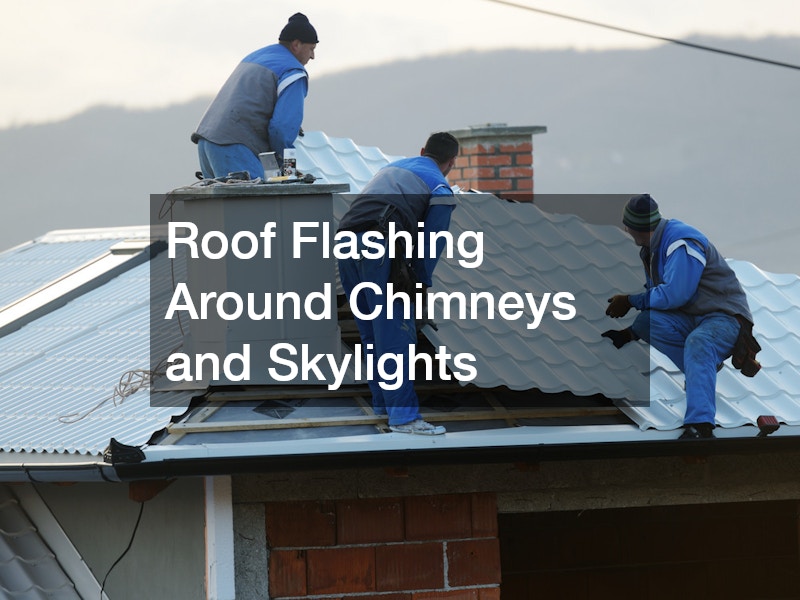
The flat surfaces of a roof rarely cause leaks; it is the transitions and penetrations that give water a way in. Flashing around chimneys, skylights, and vent pipes is designed to create a watertight seal, but it can crack, rust, or pull away from the roofline as a house settles over time. Step flashing along chimney sides, counter-flashing embedded in the masonry, and the saddle or cricket behind the chimney’s uphill side are especially prone to separating after years of temperature swings that expand and contract the metal. Skylights present their own challenges, since the flashing kit around them relies on layered pieces that shed water downward like shingles.
If a roofer installs these out of order, or if the surrounding sealant dries out and shrinks, water can seep in during even moderate rain rather than just heavy storms. Even a small gap, sometimes no wider than a pencil, allows water to travel along the roof deck and show up as a stain far from the actual entry point. It might appear on a ceiling ten or fifteen feet away, following the path of a rafter or sagging insulation before finally dripping through drywall.
This makes these leaks tricky to diagnose without a trained eye, and homeowners often replace ceiling drywall or repaint a stain repeatedly without ever addressing the flashing that caused it. A yearly inspection, ideally after winter or a major storm, can catch lifted edges, rust spots, or gaps in the sealant before they turn into a full leak. Binoculars from the ground or photos taken with a drone can reveal problems without the risk of climbing onto the roof yourself.
Chimneys and skylights are two of the most common places where roofs develop leaks, because both require a joint between flat roofing material and a vertical structure. That joint is sealed with flashing, typically thin sheets of aluminum, steel, or copper, along with sealant or rubber gaskets designed to keep water out. Over time, sealant dries out and cracks, metal corrodes or bends, and nails work themselves loose, creating tiny gaps that let water seep in during every rainstorm.
Because flashing failures are often invisible from the ground, many homeowners do not realize there is a problem until interior damage appears, such as a water stain on the ceiling near the chimney or a damp smell in the attic. By the time these signs show up, water may have already been infiltrating for months, soaking insulation and framing.
A licensed roofing contractor can inspect these vulnerable areas during a routine checkup and reseal or replace flashing before it becomes a costly repair. During an inspection, a roofing contractor typically checks for rust spots, lifted or missing nails, gaps where caulking has shrunk, and any signs of previous patch jobs that may be failing. They will also examine the counter-flashing, the piece that overlaps the base flashing, since separation between the two is a frequent culprit behind slow leaks. Catching these issues early usually means a simple resealing job costing a few hundred dollars, rather than a full flashing replacement or interior repair running into the thousands.
Scheduling this kind of inspection every couple of years, especially after major storms, high winds, or heavy snow loads, is one of the simplest ways to catch a small issue before it becomes a structural one. Homeowners who have had recent roof work done should also confirm that flashing was properly reinstalled, since it is a step that inexperienced crews sometimes overlook.

Grading and Slope Around the Foundation
Many homeowners assume basement moisture is a plumbing or waterproofing issue when the real culprit is outside the house entirely. If the ground around your foundation slopes toward the house rather than away from it, every rainstorm sends water pooling against your walls instead of draining harmly into the yard. Over time, that constant pressure finds its way through hairline cracks in the foundation.
Fixing the grade is often more effective than any interior fix, and it should be the first thing checked when a basement smells musty or shows efflorescence on the walls. That said, once water has already found a path inside, basement waterproofing measures like interior drainage systems, sump pumps, and vapor barriers become essential for keeping the space dry long term. Combining proper exterior grading with a professional waterproofing plan addresses the problem from both directions.
Driveway and Walkway Surface Cracks
Homeowners tend to think of their driveway purely as a cosmetic feature, but cracked or sunken pavement can direct water straight toward the foundation instead of away from it. When asphalt paving develops cracks or low spots near the house, rainwater collects and seeps downward rather than running off toward the street. This is especially common in older driveways that were never properly sloped during installation.
Resealing and patching a driveway is far cheaper than repairing foundation damage caused by years of water infiltration. Homeowners should walk their driveway and walkway surfaces after heavy rain to see where puddles linger longest, since those spots often reveal the areas most in need of attention.
Window Wells and Basement Window Seals
Basement windows sit close to ground level, which makes them one of the most overlooked entry points for water. The seals around these windows dry out and crack with age, and window wells that lack proper drainage can fill with rainwater and simply overflow into the frame. Leaves and debris that collect in a window well only make the problem worse by blocking what little drainage exists.
A quick seasonal check of window well covers, drainage gravel, and caulking can prevent a surprising amount of basement moisture.
- Clear debris from window wells at least twice a year
- Check that caulking around frames has not cracked or shrunk
- Confirm window wells have a gravel base for drainage, not solid soil
- Add a clear cover to keep out rain and leaves without blocking light
Aging Supply Lines and Hidden Pipe Connections
Not all water intrusion comes from outside the house. Supply lines behind walls, under sinks, and connected to appliances can develop slow leaks that go unnoticed for a long time because they are hidden from view. Braided steel and plastic supply lines typically last 8 to 10 years, but they often get forgotten since they’re tucked behind toilets, washing machines, and cabinetry.
Common culprits include the flexible hoses feeding dishwashers and refrigerator ice makers, the shutoff valves under sinks that corrode from the inside out, and the fittings behind washing machines that flex every time the appliance runs. Even a pinhole leak releasing just a few drops per minute can add up to gallons of water seeping into subflooring and wall cavities over the course of a month.

A tiny drip behind a washing machine or under a kitchen sink can warp flooring and encourage mold growth long before it becomes visible. Warning signs worth checking for include a faint musty smell near cabinets, discoloration on the underside of a sink base, or a slightly soft spot in the floor near an appliance. Inspecting these connections twice a year, and replacing rubber hoses with braided stainless steel versions, is a small investment that can prevent thousands of dollars in hidden water damage.
Experienced plumbers recommend checking flexible supply hoses and shutoff valves at least once a year, since these components are common failure points as they age. Most manufacturers rate rubber and PVC supply lines for roughly 5-8 years of reliable service, while braided stainless steel hoses can last 15 years or more, making the small upgrade cost well worth it. Look for warning signs like bulging, discoloration, rust around the fittings, or a shutoff valve that feels stiff or won’t fully close.
Under-sink connections for dishwashers, ice makers, and washing machines deserve the same scrutiny, since these lines are pressurized around the clock and often hidden behind appliances that rarely get moved. Plumbers also point out that plastic compression fittings, common in older homes, are especially prone to cracking as they age and should be replaced with brass fittings when possible.
Anyone renovating a kitchen should also have connections rechecked before new kitchen cabinets are installed, since cabinetry can easily conceal a slow leak until the damage has already spread into the subfloor. It’s also worth confirming that shutoff valves remain accessible after cabinet installation, rather than boxed in behind permanent panels, so future leaks can be addressed quickly instead of turning into a larger repair.
Garage Door Seals and Slab Edges
Garages are notorious for hidden water problems because homeowners rarely spend much time inspecting the space closely. Unlike a leaky faucet or a stained ceiling, a failing garage door seal doesn’t announce itself—it just quietly lets water in every time it rains. The rubber gasket along the bottom of the door typically lasts five to ten years before it cracks, flattens, or pulls away from the door, and by then most people have stopped noticing it at all. Once that seal degrades, rain and melting snow seep underneath the door and pool along the slab edge instead of draining away outside. This is especially common on garages with a flat or improperly sloped driveway apron, where water has nowhere to go but back toward the house.
Over time, that standing moisture softens the concrete and accelerates the formation of hairline cracks right where the slab meets the foundation wall. Once water finds a crack in the concrete, it can travel laterally beneath the slab and resurface inside the garage or migrate toward the interior walls of an attached structure. This is how homeowners end up with mysterious damp patches on a laundry room wall that shares a foundation with the garage, with no obvious source in sight. Checking the door seal twice a year and re-caulking any visible slab cracks with a flexible polyurethane sealant can prevent most of this damage before it starts.

Garage door seals are often the first thing to fail, yet they’re rarely on anyone’s maintenance checklist. The rubber gasket along the bottom of the door hardens and cracks after a few years of sun and temperature swings, leaving gaps that let rainwater sheet straight into the garage during a storm. A fresh seal costs less than $20 and takes only minutes to replace, making it one of the easiest maintenance tasks to overlook until water is already pooling near the slab edge.
If the garage door itself is warped, misaligned, or no longer closing flush against the slab, a new seal won’t solve the underlying problem. In these cases, professional garage door installation may be a smarter long-term fix than repeated patch jobs, especially if the door has shifted on its track or the frame has settled unevenly. A technician can also check whether the slab itself slopes toward the exterior as it should, since a reversed grade will funnel water inside no matter how good the seal is.
This is also a good time to check the condition of any structure built alongside the garage, such as a mudroom, workshop, or breezeway connection. A custom garage builder can identify drainage issues around an addition that a standard inspection might miss, particularly where two rooflines meet or where a new slab was poured against an older foundation. These junctions are notorious for hidden gaps, and catching them early can prevent slow, unnoticed water damage that only becomes visible years later as staining or mold along the shared wall.
HVAC Condensation Lines and Drainage Pans
Central air conditioning units produce a surprising amount of condensation, and that moisture has to go somewhere. When the condensate drain line clogs with algae or debris, water backs up into the drain pan and can overflow onto floors, ceilings, or the attic space below an air handler. This is one of the most common causes of unexplained water stains near HVAC equipment.
Routine AC repair and maintenance visits typically include clearing this line, but homeowners can also check it themselves between service appointments by looking for standing water in the pan or a musty smell near the unit. Catching a clog early prevents what could otherwise become a significant water damage claim.
Attached Structures Like Porches and Awnings
Attached structures often get bolted onto a home without much thought given to how they interact with existing drainage patterns. A porch roof or overhang that was not properly flashed where it meets the house can funnel rainwater directly into the siding or wall cavity behind it. This is especially common with structures added years after the home was originally built.
Anyone considering adding shade or shelter to a patio should think carefully about drainage before installation begins. Working with a reputable awning company ensures the structure is pitched correctly and tied into the home’s existing water management rather than creating a new funnel point directly against the exterior wall.
Standing Water and Its Hidden Pest Risks
Water intrusion problems rarely stay isolated to structural damage alone. Any area where water regularly collects, whether it is a low spot in the yard, a clogged gutter, or a neglected window well, also becomes a breeding ground for pests. Even small amounts of standing water can attract mosquitoes within days.
Addressing drainage issues around the home does double duty by protecting the structure and reducing the insects drawn to your yard. Pairing better grading and gutter maintenance with seasonal mosquito control treatment gives homeowners a more comprehensive way to keep both water damage and pest problems under control.
Most water damage does not begin with a single catastrophic event; it builds slowly through small, overlooked gaps that homeowners walk past every day. Taking an afternoon to walk the perimeter of your home, check your roofline, and test your drainage after a hard rain can reveal problems long before they become expensive repairs. When something looks questionable, bringing in a qualified professional to inspect the specific system in question is always worth the peace of mind.
