
Every home is a collection of aging systems working quietly behind the walls, under the floors, and above the ceilings, and most homeowners never think about them until something fails. A cracked pipe, a sparking outlet, or a sagging roofline can turn from a minor annoyance into a genuine safety hazard almost overnight. Understanding which systems in your home carry the highest risk as they age gives you a head start on protecting your family and your investment. This guide walks through the major infrastructure components most likely to become liabilities over time, and what to watch for before small problems become dangerous ones.
Electrical Panels and Wiring That Have Outlived Their Design Life
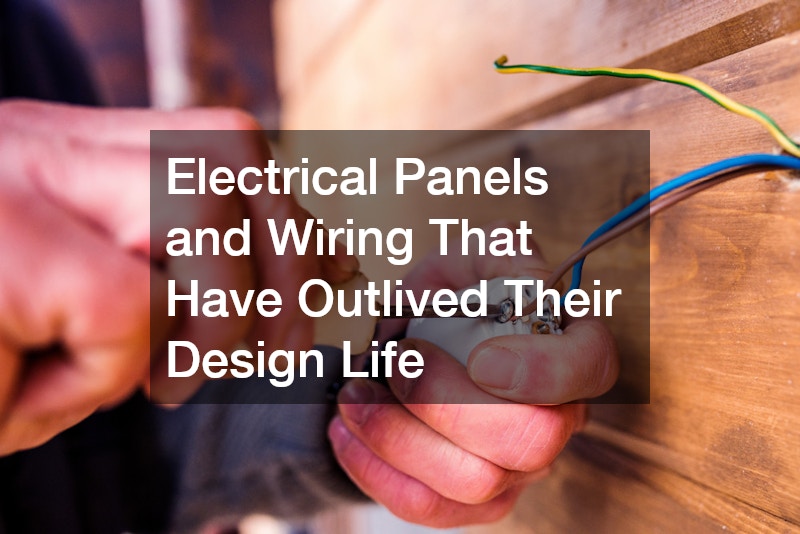
Homes built more than 30 years ago often have electrical systems that were never designed to handle today’s load of televisions, computers, HVAC equipment, and kitchen appliances. Many of these homes were wired to support a 60-amp panel and a handful of lightly used outlets—not the dozens of chargers, smart devices, and high-draw appliances that fill a modern household. Overloaded circuits, outdated fuse boxes, and brittle wiring insulation are among the leading causes of residential fires, and the National Fire Protection Association consistently ranks electrical failures among the top causes of home fires each year. If your home still has aluminum wiring, knob-and-tube systems, or a panel rated below 100 amps, you are working with infrastructure that was never built for modern demands. Aluminum wiring, common in homes built between 1965 and 1973, expands and contracts more than copper, which loosens connections over time and creates hot spots at outlets and switches. Knob-and-tube wiring, found in homes built before the 1950s, lacks a ground wire entirely and its insulation becomes dry and cracked with age, leaving bare conductors exposed near insulation or wood framing. A panel rated below 100 amps also signals trouble, since most modern homes require at least 150 to 200 amps to safely run central air conditioning, electric ranges, and multiple large appliances at once. Warning signs to watch for include breakers that trip repeatedly, warm or discolored outlet covers, a persistent burning smell near the panel, and flickering lights when appliances cycle on. Any of these symptoms warrants an inspection by a licensed electrician, since the cost of upgrading a panel is far lower than the cost of repairing fire damage or replacing a home entirely.
A licensed electrician can evaluate your panel, wiring, and grounding system to determine whether an upgrade is overdue. Panels installed before the 1990s often max out at 60 or 100 amps, which struggles to support modern households running HVAC systems, electric ranges, and multiple high-draw devices simultaneously. Warning signs are often subtle at first, which is why a professional inspection matters more than guesswork. Flickering lights, warm outlet covers, a persistent burning smell near the panel, or breakers that trip repeatedly under normal use all point toward a system that’s being pushed beyond its capacity. Aluminum wiring, common in homes built between the 1960s and 1970s, presents its own risks since it expands and contracts more than copper, loosening connections over time and increasing fire hazard. Federal Pacific and Zinsco panels, both discontinued decades ago, are also known to fail silently, leaving breakers that won’t trip even during a genuine overload. An electrician can pinpoint these issues with load calculations and thermal imaging, then recommend whether a full panel replacement, rewiring, or targeted repairs will bring the system up to current safety standards.
- Frequent breaker trips or flickering lights, especially when running multiple appliances at once
- Warm, buzzing, or discolored outlet covers, which signal overheating wires behind the wall
- A burning smell or faint scorch marks near outlets, switches, or the panel itself
- Reliance on extension cords or power strips for permanent power needs instead of added outlets
- A panel that still uses screw-in fuses instead of breakers, common in homes built before the 1960s
- Aluminum wiring, prone to loosening connections and overheating, found in many houses from the 1960s-70s
- A panel rated below 100 amps, often inadequate for modern HVAC systems, appliances, and electronics
- Missing GFCI or AFCI protection in kitchens, bathrooms, and bedrooms, now standard in current code
Heating and Cooling Systems Nearing the End of Their Service Life
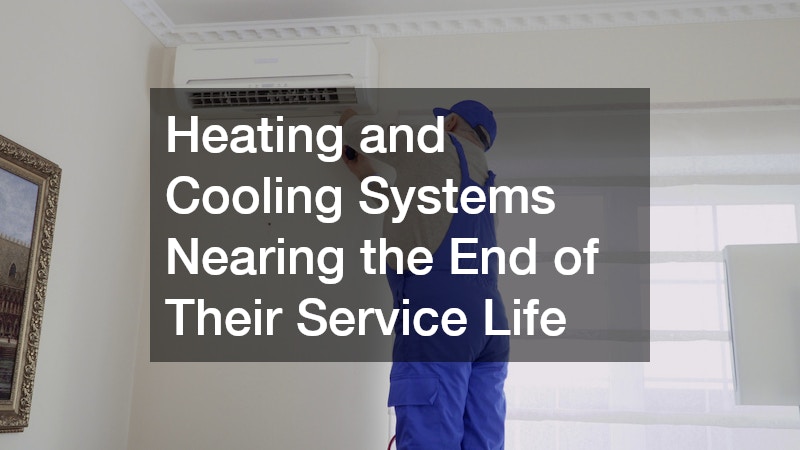
Furnaces, heat pumps, and central air units typically last between 15 and 20 years, but many homeowners push them well past that point to avoid the cost of replacement. An aging system doesn’t just become less efficient, it becomes more likely to develop cracked heat exchangers, carbon monoxide leaks, or electrical failures that pose real safety risks. Scheduling a proper HVAC installation before the old unit fails completely gives you control over timing, budget, and contractor selection instead of scrambling during an emergency.
Beyond safety, an aging system strains your utility bills and often struggles to maintain consistent temperatures throughout the house. Getting an annual inspection helps catch small mechanical issues before they escalate into full system failure or a hazardous malfunction.
Roof Coverings That Have Reached the End of Their Warranty
A roof is your home’s primary defense against water intrusion, and once shingles begin curling, cracking, or losing granules, that protection weakens fast. Hidden leaks can rot the decking underneath, weaken structural supports, and create the perfect environment for mold growth long before you notice a stain on the ceiling. Most asphalt shingle roofs are rated for 20 to 25 years, and pushing beyond that window significantly raises the odds of sudden, costly failure during a storm.
When it’s time for a full roof installation, choosing quality materials and proper ventilation matters as much as the labor itself. A poorly ventilated attic can shorten the lifespan of even a brand-new roof, so this is not a project to rush or handle piecemeal.
- Missing or cracked shingles visible from the ground
- Sagging rooflines or visible dips
- Daylight visible through the attic boards
- Granules collecting in gutters
- Water stains on interior ceilings or upper walls
Plumbing Lines and Drains Prone to Corrosion and Blockage
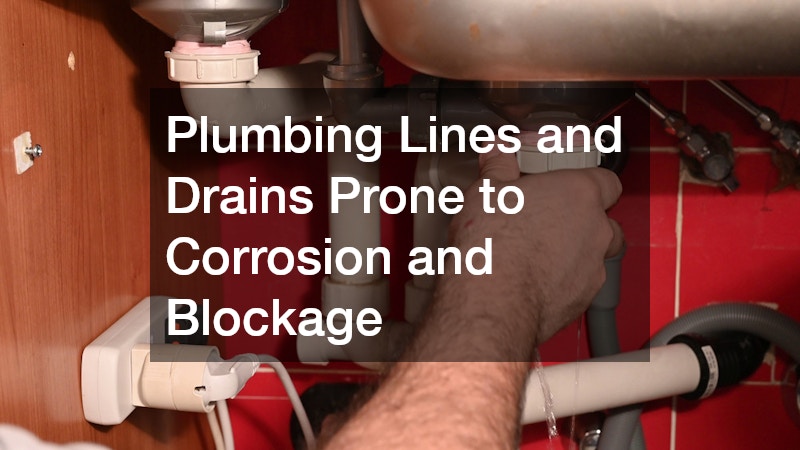
Old galvanized steel pipes corrode from the inside out, gradually restricting water flow and eventually failing at the worst possible moment. Cast iron drain lines crack over time, allowing waste water to seep into crawl spaces or foundations. Recurring clogs, slow drains, or gurgling sounds are early indicators that something deeper in the system needs attention rather than a quick fix.
A professional drain cleaner service can clear blockages and also inspect the line with a camera to check for cracks, root intrusion, or collapsing sections. Catching these issues early prevents the kind of sudden pipe failure that leads to water damage and expensive emergency repairs.
Structural Elements Affected by Large Trees Near the Home
Mature trees add beauty and shade, but as they age their root systems can undermine foundations, and their branches can pose a direct threat to roofs and power lines during storms. A tree that looked healthy for decades can develop internal rot that isn’t visible from the outside, making it a silent hazard until a windstorm brings it down. Homeowners often underestimate how much risk a single large, aging tree represents when it sits within falling distance of the house.
Working with experienced tree removal companies to assess dead limbs, leaning trunks, or root heaving near the foundation is a smart preventive step rather than a reactive one. Regular trimming and periodic health assessments extend the safe life of trees you want to keep while identifying ones that need to come down before they cause damage.
Crawl Spaces and Foundations Vulnerable to Moisture Damage
An uninsulated, unsealed crawl space invites moisture, pests, and temperature swings that affect the entire home above it. Over time, excess humidity in this space can lead to wood rot in floor joists, mold growth, and a noticeable increase in heating and cooling costs. Many older homes were built with minimal attention to this area, leaving it as one of the most overlooked sources of long-term structural damage.
Adding proper crawl space insulation along with a vapor barrier addresses both the comfort and safety sides of the problem at once. This upgrade is particularly valuable in older homes where the original builders didn’t anticipate how much moisture control would matter decades later.
- Musty odors noticeable in rooms above the crawl space
- Visible mold or condensation on floor joists
- Uneven or soft flooring in the rooms overhead
- Pest activity such as termites or rodents
- Noticeably higher energy bills in extreme weather
Windows and Doors That No Longer Seal Properly
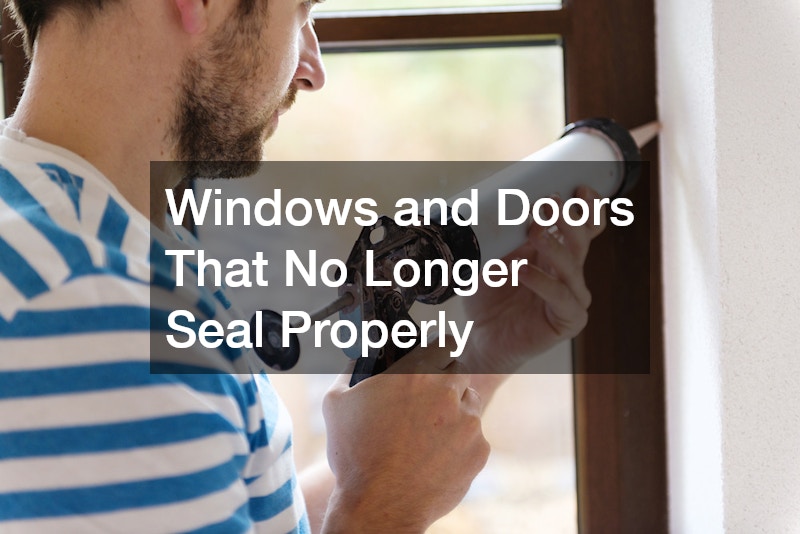 Old single-pane windows and warped door frames do more than let in drafts, they can also become safety issues if the glass is compromised or the frame no longer locks securely. Condensation between panes signals a broken seal, and wood rot around a frame can eventually compromise the entire opening’s structural integrity. These issues tend to worsen gradually, so many homeowners don’t realize how much heat, security, and safety they’re losing until they compare their home to a newer one.
Investing in window replacement addresses energy efficiency, but it also restores proper locking mechanisms and tempered safety glass in high-risk areas like near stairs or low to the floor. This is one of the more visible upgrades homeowners can make, and it often pays for itself through lower utility bills over time.
Kitchen and Bathroom Surfaces Showing Wear Beyond Cosmetic Damage
Cracked or heavily worn countertops aren’t just an aesthetic issue, they can harbor bacteria in porous surfaces and create sharp edges or unstable areas near sinks and cooktops. Laminate countertops installed decades ago often develop peeling edges and water damage that weakens the substrate underneath, creating a genuine hazard near hot appliances. When surfaces start separating from cabinets or showing persistent staining that won’t clean out, it’s a sign the material has exceeded its practical lifespan.
Reputable countertop companies can help you choose durable, easy-to-clean materials suited to how your kitchen actually gets used, whether that means quartz, granite, or a solid surface option. Replacing an aging counter alongside other kitchen updates is also a natural opportunity to address outdated electrical outlets or plumbing connections hidden beneath it.
Whole-Home Renovation Projects That Tackle Multiple Aging Systems Together
When several systems in a home are aging at once, tackling them one at a time can feel overwhelming and inefficient. In these situations, working with a home remodeling contractor who can coordinate electrical, plumbing, and structural updates together often saves money and reduces disruption compared to hiring separate crews for every project. A coordinated approach also ensures that new finishes aren’t installed over problems that will need to be reopened later.
This is especially useful for homeowners who discover multiple issues during an inspection or after a major weather event. A single point of contact who understands how these systems interact can help sequence the work logically, starting with structural and safety concerns before moving to cosmetic improvements.
Outdoor Living Structures That Weaken With Sun and Weather Exposure
Awnings, pergola coverings, and other shade structures take a beating from UV rays, wind, and moisture year after year, and the fabric or framing can weaken long before it looks obviously damaged. A frame with rusted joints or torn fabric can collapse under heavy wind or snow load, posing a real risk to anyone standing beneath it. These structures are easy to overlook because they’re not part of the home’s core systems, but they still represent a safety consideration worth addressing.
Consulting an established awning business for an inspection or upgrade can extend the life of these structures and ensure the hardware anchoring them to your home remains sound. Replacing worn fabric or reinforcing a frame is a relatively small investment compared to the cost of repairing damage from a structure that fails during a storm.
Aging infrastructure rarely announces itself with a single dramatic failure, it tends to send small warning signs for months or years before a real problem develops. Taking inventory of your home’s electrical, mechanical, structural, and exterior systems gives you the power to address issues on your own timeline rather than in the middle of a crisis. Start with a walkthrough of your home focused on the systems covered here, and prioritize professional inspections for anything showing early signs of wear. A proactive approach today is almost always safer and less expensive than an emergency repair tomorrow.
