
Your home is constantly working behind the scenes to keep you safe, comfortable, and dry, but many of its most important systems are hidden from view. Small issues in your foundation, wiring, plumbing, or roofing can quietly grow into expensive emergencies if they go unnoticed for too long. The good news is that most of these problems give off warning signs long before they become disasters. Learning what to look for now can save you thousands of dollars and a lot of stress later.
Warning Signs of Foundation Trouble
Your foundation is the literal base of everything you own, yet it is one of the least visible parts of your home. Small cracks, sticking doors, or uneven floors are often dismissed as cosmetic quirks, but they can point to shifting soil or water intrusion beneath the structure.
Pay close attention to cracks wider than 1/4 inch, especially those running diagonally or in a stair-step pattern along brick or block walls, as these often signal active movement rather than normal settling. Gaps around window frames, doors that stick only in humid weather, or floors that visibly slope more than an inch over 20 feet are also red flags worth investigating.
Left unaddressed, minor settling can worsen over time and lead to costly structural damage throughout the house. What begins as a hairline crack in the drywall can eventually compromise load-bearing walls, misalign plumbing lines, or even affect the roofline, turning a simple patch job into a five-figure repair.
Foundation trouble often reveals itself in subtle ways before it becomes a full-blown emergency. Watch for gaps around window frames, doors that suddenly stick or won’t latch properly, and stair-step cracks in brick or block walls. Cracks wider than a quarter-inch, or ones that grow noticeably over a few months, are especially worth documenting with photos and dates so a professional can gauge how quickly the problem is progressing.
Sloping or uneven floors are another red flag—if a marble rolls on its own across a room, or you notice a slab has dropped more than an inch over a short span, it’s time to consult a professional who specializes in foundation repairs before the problem spreads. Interior cracks that run diagonally from doorframes, gaps between the ceiling and walls, or a chimney pulling away from the house are all signs the movement has extended beyond cosmetic concrete work.
In many cases, uneven concrete slabs can be corrected through concrete leveling, which uses techniques like polyurethane foam injection or mudjacking to raise sunken areas back into place. This approach is typically far less invasive and more affordable than a full foundation replacement, often costing a fraction of the price and taking just a few hours rather than days of excavation.
Catching these issues early often means the difference between a simple fix and a major renovation. A foundation specialist can also check for related warning signs, such as moisture intrusion, soil erosion around the perimeter, or drainage issues, that may be accelerating the damage and worth addressing at the same time.
- Cracks wider than a quarter inch in walls or foundation, especially diagonal or stair-step cracks in brick or block
- Doors and windows that stick, no longer close properly, or swing open on their own
- Sloping or uneven floors, often noticeable when a dropped ball rolls toward one side of a room
- Gaps between walls and ceilings, or where walls meet window and door frames
- Standing water near the foundation after rain, signaling poor drainage or grading issues
- Bowing or leaning basement walls, which can indicate serious pressure from surrounding soil
- Musty odors or visible mold in crawl spaces, often a sign of moisture seeping through foundation cracks
- Chimneys or porches separating from the main structure, sometimes by an inch or more
Plumbing Problems You Cannot See
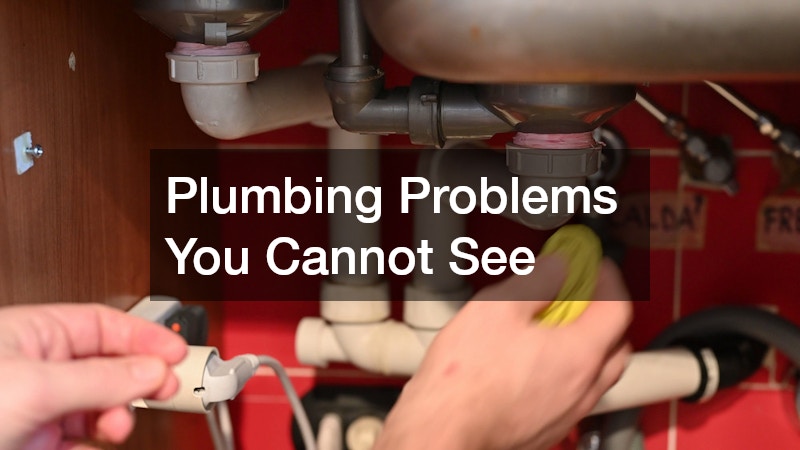
Pipes hidden inside walls and beneath floors can leak for months before any visible damage appears. A slow leak behind drywall might only reveal itself through a musty smell, peeling paint, or an unexplained rise in your water bill. Because so much of a plumbing system is out of sight, homeowners often underestimate how much damage a small drip can cause over time.
If you suspect a hidden leak, do not wait for a visible flood to take action. Reaching out to reputable plumbing companies for a camera inspection can help pinpoint the exact location of the problem without tearing into walls unnecessarily. Regular inspections of aging pipes, especially in homes built before the 1980s, can help you avoid sudden pipe bursts and extensive water damage.
- Unexplained increases in water bills
- Musty odors near walls or floors
- Discolored or bubbling paint
- Low water pressure throughout the house
- Visible mold growth near plumbing fixtures
Electrical Risks Hiding Behind Your Walls
Electrical systems are designed to last for decades, but wiring can degrade or become outdated long before it fails completely. Flickering lights, warm outlets, or a persistent burning smell are all signs that something behind the wall may not be functioning safely. Because electrical fires often start inside walls or attics, these hidden risks are among the most dangerous in any home.
If your home is older or has had DIY electrical work done in the past, it is worth having a certified electrician inspect the panel and wiring for outdated materials like aluminum wiring or knob-and-tube systems. A professional inspection can also confirm whether your electrical panel has enough capacity for modern appliances and electronics. Ignoring these warning signs can lead to costly repairs or, worse, a house fire.
- Frequently tripping circuit breakers
- Outlets that feel warm to the touch
- Flickering or dimming lights
- A persistent burning smell with no clear source
- Buzzing sounds coming from outlets or switches
What Your Roof Is Trying to Tell You

Roof damage rarely happens overnight; it usually builds slowly through small leaks, missing shingles, or worn flashing. Many homeowners only notice a problem once water stains appear on the ceiling, but by that point, damage may have been spreading inside the attic for weeks or months. Regular visual inspections from the ground can help you catch early signs of wear before they become major leaks.
If you spot curling shingles, sagging areas, or granules collecting in your gutters, it is a good idea to have experienced roofing contractors assess the situation. A professional can determine whether a simple repair will suffice or if more extensive work is needed to protect the rest of your home. Because roofs endure constant exposure to sun, wind, and storms, periodic checkups are one of the best investments you can make in your property.
- Missing or curling shingles
- Granules accumulating in gutters
- Sagging rooflines
- Water stains on ceilings or walls
- Daylight visible through attic boards
Garage Door Safety Concerns Homeowners Overlook
The garage door is one of the largest moving parts in your home, yet it often gets far less attention than other systems until it stops working altogether. Worn springs, frayed cables, or misaligned tracks can create serious safety hazards, especially for households with children or pets. Because the door is heavy and operates under tension, a malfunction can lead to injury or costly property damage.
Scheduling routine maintenance through a trusted garage door service can help you catch small issues, like a loose sensor or a slightly bent track, before they turn into a full system failure. Many garage doors also account for a significant portion of a home’s curb appeal and insulation, so keeping them in good working order benefits both safety and energy efficiency. Simple checks, like testing the auto-reverse feature, can go a long way toward preventing accidents.
- Door reverses unexpectedly or fails to reverse when blocked
- Visible fraying or rust on cables and springs
- Excessive noise during opening or closing
- Door appears crooked or uneven when moving
Heating and Cooling Systems That Work Harder Than They Should

Your furnace and air conditioning system quietly cycle on and off throughout the year, and most homeowners only think about them when something breaks. A furnace that runs constantly, produces strange odors, or struggles to maintain a consistent temperature is often working harder than it should, which can drive up energy bills and shorten its lifespan. Dust buildup, clogged filters, and aging components are common culprits behind reduced efficiency.
If you notice unusual noises, inconsistent heating, or a spike in your utility bill, scheduling furnace repair sooner rather than later can prevent a complete breakdown during the coldest months of the year. Annual maintenance checks also help identify small issues, like a cracked heat exchanger, that could pose safety risks if left unresolved. A well-maintained system not only performs more reliably but also uses less energy overall.
- Uneven heating between rooms
- Rising energy bills without a clear cause
- Strange smells when the furnace turns on
- Frequent cycling on and off
- Visible rust or corrosion on the unit
Aging Kitchen Systems That Signal Bigger Issues
The kitchen is one of the most heavily used spaces in any home, which means its plumbing, electrical, and structural components take on a lot of wear over time. Loose flooring near the sink, outdated wiring for appliances, or cabinets that no longer sit flush can all point to underlying issues that go beyond cosmetic wear. These small signs are often early indicators of moisture damage or shifting structural support.
If your kitchen has multiple aging systems reaching the end of their lifespan at once, it may make more financial sense to consult a kitchen remodeling contractor rather than patching individual problems as they arise. A coordinated renovation can address plumbing, electrical, and structural concerns simultaneously, often saving money compared to piecemeal repairs. This approach also gives you the opportunity to upgrade to more efficient appliances and materials.
- Soft or spongy flooring near sinks and dishwashers
- Cabinets pulling away from walls
- Frequent tripped breakers when using multiple appliances
- Persistent leaks under the sink
Outdoor Spaces Hiding Structural Problems

Backyard features like patios, decks, and pools are exposed to constant weather changes, which can cause shifting, cracking, or drainage issues over time. A pool deck that has settled unevenly can create tripping hazards and allow water to pool in the wrong places, potentially leading to erosion around the pool structure itself. These issues tend to develop gradually, making them easy to overlook until they become safety concerns.
Working with an experienced pool patio contractor can help you identify whether cracks or uneven surfaces are simply cosmetic or a sign of deeper drainage and soil problems. Proper grading and material selection during installation can prevent many of these issues from developing in the first place. Regular inspections of outdoor structures are especially important in regions with freeze-thaw cycles or expansive clay soil.
- Cracked or sunken pool decking
- Water pooling near the pool edge instead of draining away
- Loose or shifting pavers
- Visible gaps between the patio and the house foundation
Trees and Landscaping That Threaten Your Property
Mature trees add beauty and shade to a property, but their root systems can quietly cause damage to foundations, sidewalks, and underground pipes. As roots search for moisture, they can grow toward plumbing lines or push against foundation walls, leading to problems that are difficult to trace back to their source. Overhanging branches also pose risks during storms, potentially damaging roofs or power lines.
If you have large trees close to your house, it is worth having an arborist evaluate root growth and overall tree health on a regular basis. In some cases, tree removal becomes necessary when a tree’s root system poses an ongoing threat to your home’s structural integrity or underground utilities. Removing a hazardous tree proactively is often far less expensive than repairing the damage it could eventually cause.
- Roots visibly lifting sidewalks or driveways
- Cracks in foundation walls near large trees
- Branches overhanging the roofline
- Signs of pipe blockages linked to nearby root systems
Many of the most costly home repairs start as small, easy-to-miss warning signs hidden within your foundation, systems, and outdoor spaces. By staying alert to these early indicators and addressing them promptly, you can protect both your investment and your family’s safety. Regular inspections, whether of your roof, plumbing, electrical panel, or backyard structures, are one of the simplest ways to stay ahead of expensive surprises. Take the time to walk through your property with a critical eye, and do not hesitate to bring in a professional when something seems off.
