
A backyard patio or covered deck should feel like a natural extension of your living room, not a separate destination you have to trek to across an awkward transition. When indoor and outdoor spaces flow together, your home feels larger, entertaining becomes easier, and everyday life spills naturally into the fresh air. Getting there takes more than a nice patio set, though. It requires thinking through structure, comfort, utilities, and maintenance so the whole space works together as one cohesive home.
Planning Sightlines Between Your Kitchen and Patio

The easiest way to make an outdoor space feel connected is to make sure you can see it from the rooms you use most. Large windows, glass doors, or even a simple pass-through counter near the kitchen create a visual bridge between inside and outside before anyone steps through a doorway. Homeowners who are already considering home renovations should treat sightlines as a priority, since reworking a wall or door placement is far easier during a larger project than as a standalone fix later.
Think about how your eye travels from the sofa or dining table toward the yard. If a fence, storage shed, or utility box interrupts that view, consider relocating it or screening it with landscaping. A clear line of sight makes the outdoor area feel like part of the home’s actual square footage rather than an afterthought.
Matching Flooring Materials Across Thresholds
One of the fastest ways to visually merge indoor and outdoor rooms is to reduce the contrast at the threshold. Choosing a patio material that echoes the tone or texture of your interior flooring, such as a warm-toned tile that mirrors your kitchen floor, helps the eye read the two spaces as one continuous surface. Even a subtle color match on the door frame or transition strip can soften the line between rooms. Porcelain pavers have become a popular bridge material because manufacturers now produce outdoor-rated versions that mimic indoor wood, marble, and concrete finishes almost exactly. A 24-inch by 24-inch porcelain paver, for instance, can be matched in color and grout line to an interior porcelain tile, creating a nearly seamless sightline through a sliding door. Just confirm the outdoor version carries a slip-resistance rating (look for a DCOF of 0.42 or higher) since polished indoor tile finishes aren’t safe when wet. If an exact material match isn’t feasible due to budget or durability needs, aim for a coordinated palette instead. Pairing a gray-toned interior hardwood with a similarly toned gray composite decking, for example, keeps the transition visually calm even though the materials differ. Sticking to two or three consistent undertones across both spaces — rather than matching every grain and texture — is usually enough to trick the eye into seeing continuity. Height and level changes deserve equal attention alongside color and texture. A flush threshold, where indoor and outdoor floor heights differ by less than half an inch, reinforces the illusion of one uninterrupted floor far more than material choice alone. When a step down is unavoidable, using the same material on the step’s riser as the interior floor helps disguise the break rather than drawing attention to it.
Outdoor flooring also needs to handle weather, foot traffic, and temperature swings differently than indoor materials. It has to resist moisture, UV exposure, freeze-thaw cycles, and slipperiness when wet, all while still looking intentional next to your interior surfaces. Concrete pavers, natural stone, and composite decking are popular because they hold up outdoors while still offering finishes that coordinate with interior design choices. Large-format concrete pavers, for example, can echo the look of indoor porcelain tile, while travertine or slate can pick up the warm tones of a hardwood floor just inside the door. When matching materials across a threshold, pay attention to texture and slip resistance as much as color. A honed or brushed finish on outdoor stone provides better grip than a polished indoor tile, so the goal is visual continuity rather than an identical surface. It’s also worth considering height and expansion gaps. Outdoor decking and pavers typically sit at a slightly different level than interior flooring, so a transition strip or a slim reveal at the doorway can bridge the difference cleanly without creating a trip hazard.
- Choose slip-resistant finishes (look for a DCOF rating of 0.6 or higher) for any surface near a pool, hose bib, or shaded patio area
- Match grout or joint color to interior tile when possible, and use a matching sealant to keep the transition visually seamless
- Avoid dark stone, dark pavers, or metal accents that trap heat if your patio gets full afternoon sun — light-toned concrete or wood-look porcelain stay cooler underfoot
- Consider a raised threshold detail, typically 1/2 to 1 inch, to prevent water intrusion indoors while still keeping the step subtle enough to avoid a tripping hazard
- Test material samples outdoors for a few weeks before committing, since sunlight and moisture can shift color and texture more than showroom lighting suggests
Extending Your Kitchen With an Outdoor Cooking Area
An outdoor kitchen is one of the most popular ways to blend indoor comfort with backyard living, and it works best when placed close to the interior kitchen for easy trips back and forth. Many homeowners choose a propane-powered grill or cooktop for outdoor cooking because it heats quickly, offers precise temperature control, and avoids the hassle of charcoal cleanup. A dedicated propane line also means you are not stuck refilling tanks mid-barbecue during a busy weekend of entertaining.
Beyond the grill itself, think about counter space, storage, and a small refrigerator so the outdoor kitchen can function independently during gatherings. This keeps guests from crowding your indoor kitchen and reinforces the feeling that the patio is simply another room of the house.
Covering Your Patio to Match Your Home’s Rooflines
A covered patio feels more like an extension of the house when its roofline echoes the pitch, material, and color of the main structure. Rather than bolting on a mismatched flat awning, many homeowners work with roofing companies to design a patio cover that ties architecturally into the existing roof. This creates a seamless look from the street and protects outdoor furniture from sun fade and rain damage.
A well-integrated patio roof also helps regulate temperature underneath, making the space usable in more seasons. When planning this addition, ask about proper flashing where the new structure meets the existing roof, since this is one of the most common spots for leaks if not installed correctly.
Managing Water Runoff Around Outdoor Living Spaces
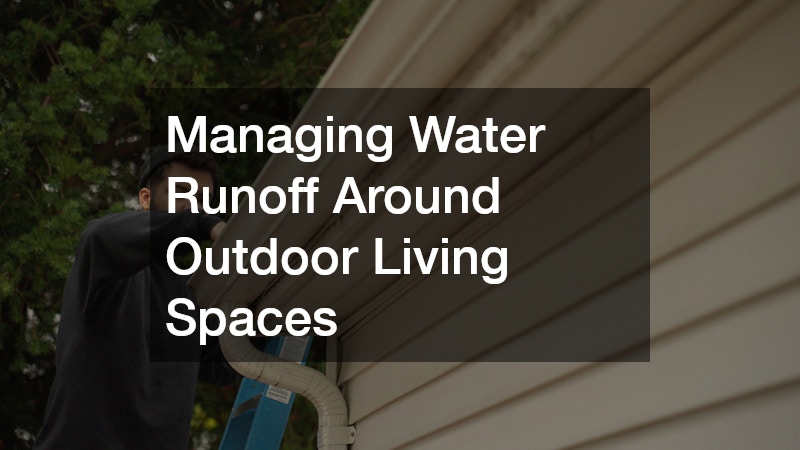
Nothing disrupts an outdoor living space faster than standing water or erosion after a heavy rain. Because patios and covered decks add hard surfaces that redirect water, it is worth evaluating how rain flows off the roof and away from the new structure. Installing seamless gutters along the edge of a patio cover or pergola roof prevents water from sheeting off in one heavy curtain and eroding soil or flooding a seating area below.
Proper drainage planning also protects the foundation of the main house, since runoff from an improperly sloped patio can send water toward the base of the building instead of away from it. A quick conversation with a contractor about grading and gutter placement during the design phase saves significant headaches later.
- Slope hardscaping at least a quarter inch per foot away from the house
- Add a gutter downspout extension if water pools near the patio edge
- Use permeable pavers in areas prone to heavy runoff
- Check gutters seasonally for leaves and debris that cause overflow
Bringing Warmth and Water Outdoors for Year Round Use
Extending the usability of an outdoor space into cooler months often comes down to heat and water access. A built-in fire feature or patio heater keeps evenings comfortable well into fall, while an outdoor shower or sink adds convenience for gardening, pool days, or rinsing off grill tools. If you are plumbing water to an outdoor kitchen or shower, it is worth asking water heater services about tying into your existing system versus installing a small dedicated unit for the outdoor fixtures.
A dedicated outdoor water heater can be a smart choice if the addition is far from the main house, since it reduces wait time for hot water and avoids overtaxing the primary unit. This is especially useful for households that use outdoor showers frequently during summer or that run outdoor kitchens with a sink for cleanup.
Landscaping the Ground Beneath Your New Outdoor Rooms
The soil and greenery surrounding a new patio or deck play a bigger role in the space feeling finished than most homeowners expect. Before laying sod, planting beds, or installing pavers, many contractors recommend a fresh layer from a top soil delivery to level out uneven ground and give new plants a healthy base to root into. Poor quality or compacted native soil is one of the most common reasons new landscaping struggles in its first year.
Layering in raised planting beds, potted greenery, or a small garden border around the patio helps the hardscaping feel intentional rather than dropped into the yard. Softening hard edges with plants also improves the transition between the structured patio and the more natural parts of the yard.
- Test soil drainage before planting anything near a patio foundation
- Choose native plants that need less water and maintenance
- Add mulch beds to reduce erosion around new hardscaping
- Consider raised beds near seating areas for easy-access herbs or flowers
Protecting Outdoor Furniture and Vehicles Parked Nearby
Outdoor living spaces are often located near driveways or carports, which means vehicles are exposed to the same sun, pollen, and weather that fade patio furniture. Many homeowners who invest in a nicely designed outdoor area also invest in car ceramic coating to protect a vehicle parked nearby from UV damage, tree sap, and water spotting. This is a practical pairing since both the patio furniture and the car sit outside facing similar environmental wear.
If a vehicle’s paint has already suffered from sun exposure or old damage, visiting one of the local car paint shops before applying a protective coating ensures the finish underneath is in good shape first. Coating over chipped or oxidized paint locks in the damage rather than solving it, so addressing paint condition first gives better long-term results.
Keeping Pests and Chimney Issues From Disrupting Outdoor Time

An outdoor living space is only enjoyable if it isn’t overrun by mosquitoes, wasps, or rodents drawn to nearby food and water sources. Scheduling regular visits from pest exterminators, ideally on a quarterly basis, helps keep these issues under control before they become a nightly nuisance during dinners on the patio. Many companies also offer seasonal treatments timed to breeding cycles, which can head off a full-blown infestation before it starts. This is especially important if the outdoor kitchen or fire feature is close to the house, since pests are often drawn toward warmth, food scraps, and standing water. Grease traps, uncovered trash bins, and clogged gutters near the patio are common culprits worth mentioning to your technician. Even small design choices, like sealing gaps around outdoor cabinetry or elevating firewood storage off the ground, can make a noticeable difference between visits. Chimneys and fire features deserve the same attention, since creosote buildup, nesting birds, and blocked flues can turn a cozy fire pit evening into a smoky, unsafe one. An annual chimney sweep or inspection catches these problems early, especially if the fireplace shares a wall or roofline with the outdoor living area. Addressing both pest control and chimney maintenance together ensures the transition between indoor and outdoor spaces stays comfortable rather than becoming a source of recurring headaches.
If your outdoor living space includes a fireplace or sits near the home’s chimney, it is worth having a chimney repair service inspect the structure periodically, especially before heavy use in cooler months. Most professionals recommend at least one inspection a year, with a follow-up check if you notice discoloration, crumbling mortar, or a lingering smoky smell near the patio. Cracked mortar or a damaged cap can let pests, moisture, or even sparks escape in ways that affect both the chimney’s performance and the safety of the outdoor space beneath it. Birds, squirrels, and raccoons are especially drawn to unprotected flues, and their nesting materials can create blockages that push smoke and embers back out toward your seating area instead of up and away. A qualified inspector will typically check the cap, flashing, and mortar joints, and can recommend repairs like tuckpointing or a new spark arrestor before small issues turn into costly rebuilds. Catching these problems early not only protects the chimney itself but also keeps your outdoor gatherings free from unexpected smoke, debris, or unwelcome wildlife.
Blending your outdoor living space into your home’s flow is less about a single big purchase and more about a series of thoughtful decisions, from sightlines and flooring to drainage, heating, and upkeep. Start with the changes that affect how the space connects visually and physically to your home, then layer in comfort features and maintenance planning over time. Walking through each of these areas before construction begins will save money and frustration compared to fixing gaps after the space is already built. With the right groundwork, your patio or deck will feel like it has always belonged to the house, not just attached to it.
