
Every home sends out small distress signals long before a major system fails, but most homeowners do not know how to read them. What looks like a cosmetic flaw or a minor inconvenience can actually be evidence that your house is aging faster than its actual years suggest. Catching these signs early can save you thousands of dollars and prevent a minor repair from turning into a full-blown emergency.
This guide walks through seven concrete warning signs so you can assess your home with a more critical eye.
Roof Shingles are Curling, Cracking, or Missing Granules
Your roof is one of the clearest indicators of how well your home is holding up against time and weather. A roof that is only fifteen years old but already shedding granules, curling at the edges, or missing shingles after every storm is aging well ahead of schedule. This kind of deterioration usually points to poor ventilation, sun damage, or substandard materials used during installation.
If you notice these issues, it is worth having a professional take a closer look before small leaks become structural rot. Experienced roofers can identify whether the damage is isolated or a sign that the entire roofing system needs replacement. Waiting too long often means dealing with water damage to your attic insulation, ceiling drywall, and even electrical wiring.
- Granules collecting in gutters or at downspout outlets
- Shingles that look curled, cupped, or blistered
- Daylight visible through the attic roof boards
- Sagging rooflines when viewed from the street
Basement Walls Show Moisture Stains or Musty Odors
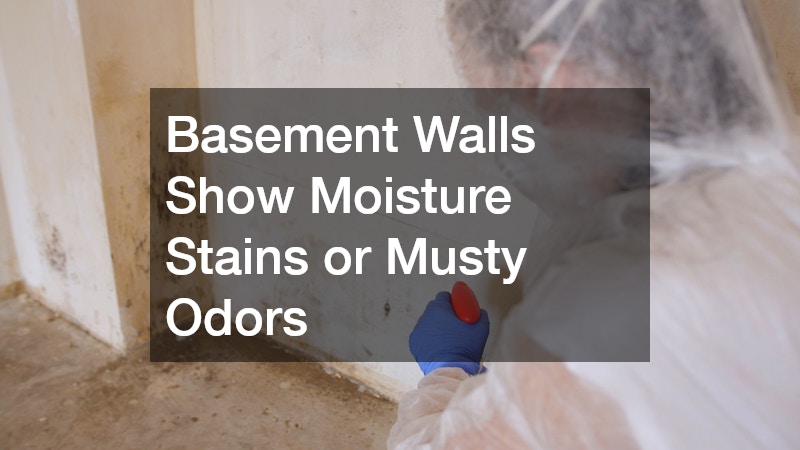
A damp basement is not just an inconvenience; it is often the first visible symptom of a home that is losing its battle against groundwater. Musty smells, white mineral deposits on walls, or peeling paint near the floor line all suggest moisture is finding its way in faster than it should. Left unchecked, this moisture can weaken foundation walls and invite mold growth that spreads into living spaces above.
In many cases, the culprit is a failing or undersized system meant to manage water intrusion. Scheduling sump pump repair as soon as you notice slow drainage, unusual noises, or standing water near the pump can prevent a much larger flooding event during heavy rain. A properly functioning pump is one of the most cost-effective defenses your home has against premature foundation aging.
Windows Feel Drafty or Are Difficult to Open
Windows that once opened smoothly but now stick, rattle, or let in noticeable drafts are showing their age in more ways than one. Old wooden frames swell and warp with humidity changes, while aluminum frames lose their seals and allow air to leak through even when closed. Vinyl frames aren’t immune either — after 15 to 20 years, the seals and weatherstripping break down, and the frame itself can warp slightly under repeated temperature swings.
A simple way to check for drafts is the candle or tissue test: hold a lit candle or a piece of tissue paper near the window frame on a windy day, and watch for flickering or movement that signals air infiltration. You can also run your hand slowly around the edges of the frame to feel for cold spots or moving air. If you notice condensation forming between double-pane glass, that’s a sign the seal has failed, and the insulating gas between the panes has escaped.
This constant air exchange forces your HVAC system to work harder, which drives up energy bills and shortens the lifespan of your heating and cooling equipment. The Department of Energy estimates that drafty windows can account for 25 to 30 percent of a home’s heating and cooling energy loss, which adds up quickly over a full year of seasonal use.
Difficulty opening or closing windows often points to deeper structural issues, not just a stuck track. Foundation settling can shift window frames out of square, while excess moisture in the surrounding wall cavity can cause wood to swell and bind. If multiple windows throughout the house are affected at once, it’s worth having a contractor check for broader settling or moisture problems rather than treating each window as an isolated repair.
Windows that whistle in the wind, feel drafty even when closed, or stick and stubbornly refuse to slide open are all signs your home’s seals and frames have started to break down. Wood frames can warp with years of humidity and temperature swings, while vinyl and aluminum frames may shift as the surrounding structure settles. Either way, the result is the same: air leaks in and out, forcing your HVAC system to work harder than it should.
Condensation forming between double-pane glass is another telltale sign that the seal has failed and the insulating gas has escaped. Once that gas barrier is gone, the glass loses much of its ability to block heat transfer, and you’ll often notice noticeably cooler drafts near the window in winter and hot spots in summer. At that point, repair is rarely a lasting fix, and homeowners typically get better long-term value from consulting a replacement window company rather than patching individual panes.
It’s worth paying attention to how widespread the problem is before deciding on a fix. A single stubborn window might just need new weatherstripping or a hardware adjustment, but drafts across multiple rooms usually point to a bigger, house-wide issue. In homes built more than twenty years ago, original windows may have single-pane glass or degraded seals that no amount of caulking can fully solve.
Newer energy-efficient windows can dramatically improve comfort and cut utility costs, sometimes reducing heating and cooling bills by 10-25% depending on climate and window quality. Look for options with low-E coatings, argon gas fills, and multi-point locking systems, which not only tighten the seal but also improve security. A reputable replacement window company can also help you weigh whether double- or triple-pane glass makes sense for your region’s climate.
- Visible fog or moisture between glass panes, a sign the seal has failed and insulating gas has escaped
- Windows that will not stay open without a prop, often meaning worn balance springs or sash cords
- Noticeable outside noise despite windows being closed, suggesting thinning glass or gaps around the frame
- Cold drafts felt near the frame even when locked, easily checked by holding a candle or tissue near the edges
- Paint sealed shut or warped wood frames that make opening and closing a struggle
- Rising heating or cooling bills, since inefficient windows can account for 25-30% of home energy loss
Exterior Paint is Peeling, Chalking, or Fading Unevenly
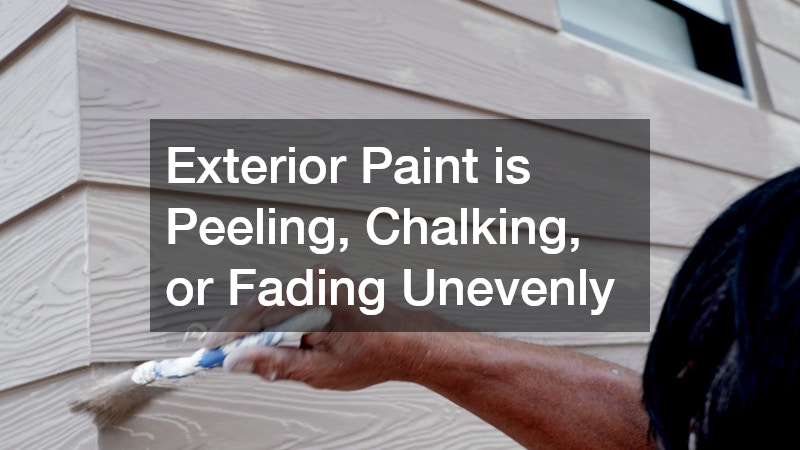
Paint does more than make a house look attractive; it forms a protective barrier against moisture, UV rays, and pests. When exterior paint starts peeling in sheets, chalking to a powdery residue, or fading unevenly across different sides of the house, it usually means the protective layer has broken down faster than expected. This often happens on homes with poor surface preparation during the original paint job or those exposed to intense sun and humidity.
Bringing in exterior painting contractors for an inspection can help determine whether the issue is purely cosmetic or a sign of underlying wood rot or siding damage. Many painting companies also offer moisture testing on siding before repainting, which helps avoid trapping damp wood beneath a fresh coat. Addressing peeling paint promptly protects the structural materials underneath and extends the life of your home’s exterior.
- Paint that bubbles or blisters shortly after application
- Chalky residue that rubs off on your hand when touched
- Bare wood exposed in high-traffic or sun-exposed areas
- Mismatched fading between shaded and sun-facing walls
Lawn and Landscaping Show Signs of Water Stress or Overwatering
The condition of your yard can actually reveal a lot about the age and efficiency of your home’s outdoor water systems. Brown patches next to oddly lush green spots often mean your lawn irrigation setup has broken heads, leaks, or a controller that is no longer distributing water evenly. Older systems that have not been recalibrated in years tend to waste water in some zones while starving others.
This uneven watering pattern not only stresses your grass and plants but can also lead to soil erosion near your foundation, which affects drainage around the entire property. Regularly inspecting sprinkler heads, valves, and timers can catch problems before they become costly water bills or landscaping die-off. A well-maintained system should distribute water evenly and adjust automatically for seasonal rainfall.
- Random patches of overly saturated or bone-dry grass
- Sprinkler heads that spray onto pavement instead of the lawn
- Water pooling near the foundation after irrigation cycles
- A noticeable spike in your water bill without added usage
Pests Have Become a Recurring Problem Indoors

An occasional bug sighting is normal, but a steady stream of ants, termites, rodents, or wasps returning season after season suggests your home’s defenses are wearing thin. Aging homes often develop small gaps around foundations, utility entry points, and roof eaves that create easy access for pests. These entry points tend to grow larger over time as wood rots, caulking cracks, and weatherstripping deteriorates.
Recurring infestations are also a red flag for hidden moisture or wood damage, since many pests are drawn to damp, decaying material. Partnering with a pest control provider for a full exterior inspection can identify these vulnerable points before they lead to structural damage. Termites in particular can silently compromise wood framing for years before any visible sign appears inside the home.
An In-Ground Pool Shows Cracking, Staining, or Equipment Failures
For homeowners with a pool, the pool itself can be one of the most telling indicators of overall property aging. An in ground pool that develops visible cracks in the plaster, persistent staining, or frequent equipment breakdowns is often reflecting the same age-related wear affecting the rest of the property, including shifting soil and aging plumbing lines. These issues tend to accelerate once a pool passes the fifteen- to twenty-year mark without major resurfacing or equipment upgrades.
Ignoring small cracks or leaks around a pool shell can lead to significant water loss, which in turn destabilizes the surrounding soil and nearby structures like patios or fences. Routine inspections of the pump, filter, and heater can catch inefficiencies before they turn into full system replacements. Keeping up with resurfacing and equipment maintenance not only protects your investment but also prevents secondary damage to your yard and foundation.
Recovering From Fire or Smoke Damage Reveals Hidden Aging
A house fire, even a small one, often exposes just how much hidden wear existed before the incident occurred. Smoke can seep into wall cavities, insulation, and ductwork, revealing outdated wiring or deteriorated materials that were not visible before the damage occurred. This is often the point where homeowners realize their electrical system, insulation, or ventilation was already overdue for an upgrade.
Working with experienced fire restoration companies ensures that both the visible damage and the underlying issues are addressed together rather than patched over separately. A thorough restoration process typically includes structural assessment, smoke odor removal, and rewiring recommendations where needed. Treating this as an opportunity to modernize rather than simply repair can actually leave your home safer and more efficient than it was before the fire.
Comparing Your Home to Newer Builds Highlights the Gap

Walking through a newer subdivision or touring a model home can be an eye-opening experience for owners of older properties. New home construction today incorporates energy codes, moisture barriers, and materials that simply were not standard practice twenty or thirty years ago. Comparing insulation values, window efficiency, and foundation waterproofing techniques between old and new builds often reveals just how far building standards have advanced.
Take insulation as one example. Many homes built before the 1990s have wall cavities filled with R-11 or R-13 fiberglass batting, while current codes in most regions call for R-20 or higher, along with continuous exterior insulation to eliminate thermal bridging. That gap alone can translate into noticeably higher heating and cooling bills, drafty rooms, and inconsistent temperatures from floor to floor.
Windows tell a similar story. Older single-pane or early double-pane windows offer minimal resistance to heat transfer, whereas today’s low-E, argon-filled units are engineered for far tighter performance ratings. Stand near an original window on a cold day and compare it to one in a newly built home nearby, and the difference in comfort is immediate and obvious.
Foundations and moisture control have evolved just as dramatically. Modern builds routinely include vapor barriers, exterior drainage boards, and sump systems designed to keep basements and crawl spaces dry year-round. Older homes often relied on far simpler waterproofing methods, if any were used at all, which helps explain why musty basements and foundation cracks are so common in aging properties.
Walk through a newly built home in your area, and you’ll likely notice differences that go beyond fresh paint and updated fixtures. New construction typically includes 2×6 wall framing for better insulation, double- or triple-pane windows, and HVAC systems rated for 15-20 SEER efficiency, compared to the single-pane windows and 8-10 SEER units common in homes built before the 1990s. Electrical panels in new builds are also sized for modern demands, often 200 amps, while older homes may still run on 100-amp service that struggles to support today’s appliances and devices.
This comparison is not meant to discourage owners of older homes but to help set realistic expectations for maintenance and upgrades. Recognizing these gaps allows you to prioritize which systems most urgently need modernization to bring your home closer to current performance standards. Start by focusing on the areas with the biggest impact on comfort and cost, such as insulation, air sealing, and HVAC efficiency, before moving on to cosmetic differences like flooring or cabinetry.
Even incremental upgrades, done consistently over time, can significantly narrow the difference between an aging home and a newly built one. Replacing windows in phases, upgrading attic insulation, or swapping out an aging water heater for a tankless model are all manageable projects that add up. Tracking your progress against a checklist of new-build standards can also help you measure how close your home is getting to modern performance benchmarks.
Conclusion
Recognizing these seven warning signs early gives you the power to address problems while they are still manageable and affordable. A proactive homeowner who inspects the roof, basement, windows, exterior, yard, and pool regularly is far less likely to face a costly emergency down the road. Start by walking through your own property this weekend with this list in hand, noting anything that matches these warning signs. Taking action now, rather than waiting for a crisis, is the surest way to keep your home aging gracefully for years to come.
