
A slippery bathroom tile or a worn-out rug can turn an ordinary morning into an emergency room visit, and the wrong flooring choice can cost you thousands in repairs down the road. Slip hazards and durability are not just abstract concerns for building inspectors; they affect your family’s safety and your wallet every single day. Understanding how different flooring materials perform in real-world conditions can help you make smarter decisions whether you are renovating one room or an entire home. This guide breaks down what actually matters when evaluating flooring for safety and long-term performance.
How Traction and Texture Prevent Falls
Slip resistance comes down to friction between your shoes or feet and the floor surface, and that friction is determined largely by texture. Flooring professionals often measure this using a coefficient of friction (COF) rating, with anything above 0.6 generally considered safer for wet or high-traffic areas. Smooth, polished surfaces like glossy tile or highly finished hardwood look elegant but offer less grip, especially when wet, since water fills in the microscopic grooves that would otherwise help create traction.
Textured surfaces, matte finishes, and materials with slight variation in surface pattern give feet and footwear something to grab onto. Natural stone with a honed or brushed finish, textured porcelain tile, and slip-resistant vinyl are common choices because their surface irregularities disrupt the smooth film of water or grease that causes falls. Even small design details, like embossed patterns or sand-textured coatings, can make a meaningful difference in how secure a floor feels underfoot.
This is why bathrooms, kitchens, and entryways often benefit from flooring specifically rated for wet-area traction. Many manufacturers now label tile and vinyl products with slip-resistance ratings such as R9 through R13 under European standards, giving homeowners a clearer way to compare options before buying. Choosing the right rating for each room, higher traction in showers and mudrooms, moderate traction in living spaces, helps balance safety with style.
Manufacturers rate slip resistance using a coefficient of friction (COF), and higher numbers generally mean safer footing. A COF of 0.5 or above is typically considered acceptable for level walking surfaces, while wet areas like bathrooms and entryways often call for 0.6 or higher to meet safety guidelines.
It is worth asking about this rating before committing to a material, particularly for high-traffic or moisture-prone areas. Retailers and manufacturers should be able to provide test results, and it’s reasonable to request them if they aren’t listed on the product spec sheet.
Texture plays a role here too, since surface finish directly affects how COF translates to real-world grip. Matte, textured, or slightly rough finishes tend to outperform high-gloss or polished surfaces, even when their rated numbers are similar, because texture gives shoes and bare feet more to grip onto.
Keep in mind that COF ratings are measured under specific lab conditions and can change once flooring is sealed, waxed, or worn down over time. Reapplying certain sealants can actually lower traction, so it’s worth checking whether a recommended finish affects the original slip rating.
Why Moisture Changes the Safety Equation
Water, grease, and even everyday dust can dramatically reduce a floor’s grip, turning a normally safe surface into a hazard. Kitchens and bathrooms are the most obvious danger zones, but entryways during rainy seasons and laundry rooms deserve equal attention. The type of flooring you choose should account for how often that specific area gets wet and how quickly moisture gets cleaned up.
Some materials handle moisture far better than others, both in terms of slip resistance and long-term structural integrity. Porous materials can absorb water and weaken over time, while sealed or engineered surfaces resist damage and maintain their grip.
- Bathrooms and kitchens need textured, water-resistant surfaces
- Entryways benefit from absorbent mats paired with slip-resistant flooring underneath
- Basements and laundry rooms require moisture-tolerant materials to prevent warping
- Outdoor-adjacent spaces need flooring rated for both wet and dry traction
Comparing Hardwood, Tile, and Vinyl Performance
Each major flooring category comes with its own balance of safety, maintenance, and lifespan. Hardwood offers warmth and classic style but can become slippery when polished or waxed, and it is vulnerable to water damage if not properly sealed. Tile is extremely durable and long-lasting, but glossy finishes can be dangerous in wet conditions unless you choose a textured or matte option.
Vinyl has become a popular middle ground because modern products mimic the look of wood or stone while offering better water resistance and slip performance. Many homeowners now compare quotes from several lvp flooring companies before deciding, since luxury vinyl plank has improved significantly in both durability and traction technology over the past decade. It is a practical option for families wanting style without sacrificing safety in moisture-prone rooms.
What Makes Carpet a Practical Choice for Certain Rooms
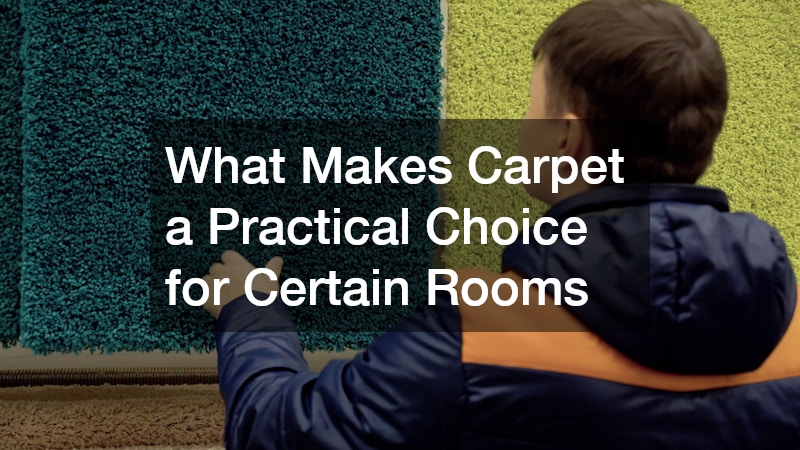
Carpet remains one of the safest flooring options in terms of slip resistance because its soft, fibrous surface naturally creates friction underfoot. It also cushions falls better than hard surfaces, which matters in homes with young children or elderly residents. However, carpet is not ideal everywhere, since it retains moisture, dust, and allergens more than hard flooring.
If you are considering carpet for bedrooms, living rooms, or stairs, visiting a few carpet stores in person can help you compare pile height, density, and fiber type before making a decision. Denser, shorter-pile carpets tend to hold up better in high-traffic areas and are easier to keep clean over time.
How Regular Maintenance Extends Floor Life and Safety
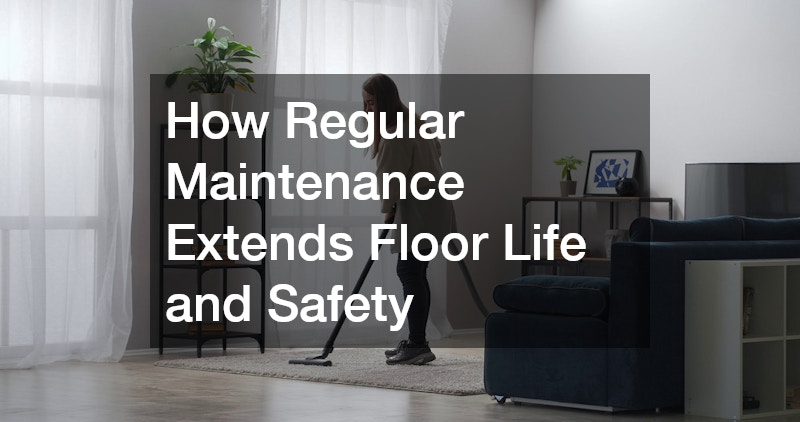
No flooring material stays safe or durable without consistent upkeep. Dirt, grit, and debris act like sandpaper on hard floors, gradually wearing down protective finishes and increasing slip risk with every foot that crosses untreated grime. A gritty entryway left unswept for weeks can dull a hardwood’s protective coating far faster than daily foot traffic alone, exposing bare wood that’s more prone to both scratching and slickness when wet.
Soft flooring accumulates allergens, bacteria, and moisture that can degrade fibers and create hidden hazards over time. Carpet padding, in particular, can trap spills and humidity long after the surface feels dry, leading to mold growth or fiber breakdown that weakens traction underfoot. Even low-pile carpets and area rugs benefit from vacuuming at least twice a week and a deeper professional cleaning every 6 to 12 months to keep fibers resilient and grip intact.
Beyond routine cleaning, the type of products used matters just as much as frequency. Harsh chemical cleaners can strip protective sealants from tile, vinyl, and hardwood, leaving surfaces more porous and prone to slipping when exposed to water or oil. Choosing pH-balanced or manufacturer-recommended cleaners helps preserve both the finish and the slip resistance built into the material.
Timing also plays a role in long-term floor health. Wiping up spills immediately, placing mats at entry points, and resealing hard floors on a regular schedule—typically every one to three years depending on material—can prevent the slow accumulation of damage that often goes unnoticed until a fall or a costly repair forces the issue.
Scheduling routine service with a professional carpet cleaning company can remove deep-seated dirt, grit, and allergens that regular vacuuming misses. Most experts recommend deep cleaning carpets every 12 to 18 months, though high-traffic households with pets or kids may need it closer to every 6 months. This isn’t just about appearances—trapped grit acts like sandpaper on carpet fibers every time someone walks across the floor, wearing down the material and flattening the pile that provides traction underfoot.
Similarly, periodic rug cleaning helps area rugs maintain their texture and grip rather than becoming thin, slick, and prone to sliding on hard floors underneath. A rug that’s lost its density no longer grips the floor surface effectively, which means it can bunch, curl, or shift when stepped on—creating a tripping hazard rather than a safety buffer.
Beyond scheduled deep cleanings, a few simple habits go a long way. Rotating rugs seasonally prevents uneven wear patterns, using non-slip rug pads adds an extra layer of grip insurance, and addressing spills immediately keeps fibers from breaking down prematurely. Taken together, these small maintenance steps protect both your investment and the people walking across it every day.
- Vacuum high-traffic areas at least twice a week, using a hard-floor setting or soft-bristle attachment to avoid scratching wood or vinyl
- Wipe up spills immediately on hard surfaces, since moisture left for even 10-15 minutes can seep into seams and warp materials or create a slip film
- Use furniture pads to prevent premature wear, choosing felt pads for hardwood and hard-plastic glides for carpet to make repositioning easier
- Schedule deep cleaning every six to twelve months, including grout resealing for tile and professional buffing for hardwood to restore slip resistance
- Rotate rugs periodically to distribute wear evenly, aiming for every three to four months in sunlit or high-traffic rooms
- Check floor mats and rugs for curling edges or worn backing, since these become tripping and slipping hazards over time
- Trim pet nails regularly to prevent surface scratches that trap dirt and moisture, accelerating wear on hardwood and laminate
Why Garage and Basement Floors Need Specialized Coatings

Garages, basements, and workshop spaces face unique challenges because they deal with oil, water, temperature swings, and heavy equipment traffic. Bare concrete is porous, prone to cracking, and can become dangerously slick when wet or oily. Investing in a commercial epoxy floor coating provides a durable, seamless surface that resists chemicals, moisture, and heavy loads while offering better traction than untreated concrete.
These coatings also make cleanup significantly easier, since spills sit on top of the sealed surface rather than soaking in. Many homeowners are surprised to learn that epoxy systems originally designed for industrial and commercial settings are now widely available for residential garages and basements.
How Tile and Stone Options Balance Beauty and Grip
Natural stone and ceramic tile remain popular for their durability and visual appeal, but not all tile performs the same when it comes to safety. Polished stone surfaces look stunning but can be treacherous when wet, while textured or honed finishes provide much better grip without sacrificing style. Grout lines also play a role, since slightly recessed grout can add micro-texture that improves traction underfoot.
Working with a knowledgeable tile flooring company can help you select finishes that match your aesthetic goals while still meeting safety needs for specific rooms. They can also advise on slip-rated tile options designed specifically for bathrooms, pool decks, and entryways where water exposure is frequent.
When to Bring in Professional Installation Expertise
Even the best flooring material will underperform if it is installed incorrectly. Uneven subfloors, improper sealing, and poor transitions between rooms can all create trip and slip hazards regardless of the material chosen. Experienced flooring contractors understand how to prepare subfloors properly, ensure adequate slope for drainage in wet areas, and install materials according to manufacturer safety specifications.
Professional installation also affects long-term durability, since improperly installed flooring tends to wear unevenly, buckle, or separate at seams much sooner than correctly installed surfaces. Getting this step right from the beginning saves money and reduces safety risks for years to come.
How to Choose the Right Flooring Partner for Your Project
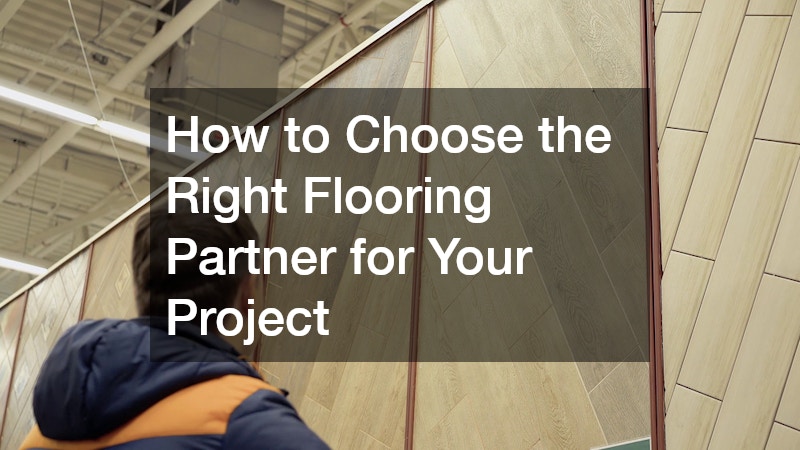
With so many materials and installation considerations, choosing the right flooring store for your project matters as much as the material itself. A reputable flooring store will assess your specific rooms, foot traffic patterns, and moisture exposure before recommending options, rather than pushing a one-size-fits-all solution. They should also be transparent about maintenance requirements and expected lifespan for each material you are considering.
Visiting a well-stocked flooring store allows you to see and feel samples in person, which is far more informative than browsing photos online. Ask about warranty coverage, slip-resistance ratings, and installation timelines before signing any contract, since these details directly affect both your safety and your long-term satisfaction with the finished project.
Choosing flooring is about far more than color and style; it directly impacts how safe your home feels day to day and how much you will spend on repairs and replacements over time. By understanding traction ratings, moisture resistance, and proper maintenance routines, you can make choices that protect your family without sacrificing design. Take time to compare materials, ask detailed questions, and consider professional guidance before finalizing your decision. A little research now can prevent costly accidents and expensive repairs for years to come.
