
Most homeowners walk past the systems that keep their house running every single day without giving them a second thought. Wiring inside the walls, pipes underground, and structures overhead only get attention once something breaks, leaks, or fails outright. The problem is that by the time these hidden systems announce themselves, they may have already become genuine safety hazards rather than simple maintenance items. Knowing what to watch for, and when to call in help, can mean the difference between a minor repair and a household emergency.
Outdated Wiring Behind Your Walls
Electrical systems are among the most dangerous hidden risks because they fail silently until a spark, a breaker trip, or a scorch mark finally gives them away. Homes built more than 30 years ago often carry wiring that was never designed for the load of modern appliances, streaming devices, and HVAC systems running simultaneously. Warm outlet covers, flickering lights, or a persistent burning smell near switches are all signs that the system underneath is struggling.
A licensed electrician can inspect your panel, outlets, and wiring to determine whether your home needs a partial upgrade or a full rewire. This is not a project for guesswork, since improper connections are a leading cause of house fires nationwide.
- Frequent breaker trips even with normal appliance use
- Discolored or warm outlet and switch plates
- Buzzing sounds coming from the walls or panel
- Two-prong outlets with no grounding in older homes
- Aluminum wiring installed before the mid-1970s
Aging Roof Materials and Structural Sagging
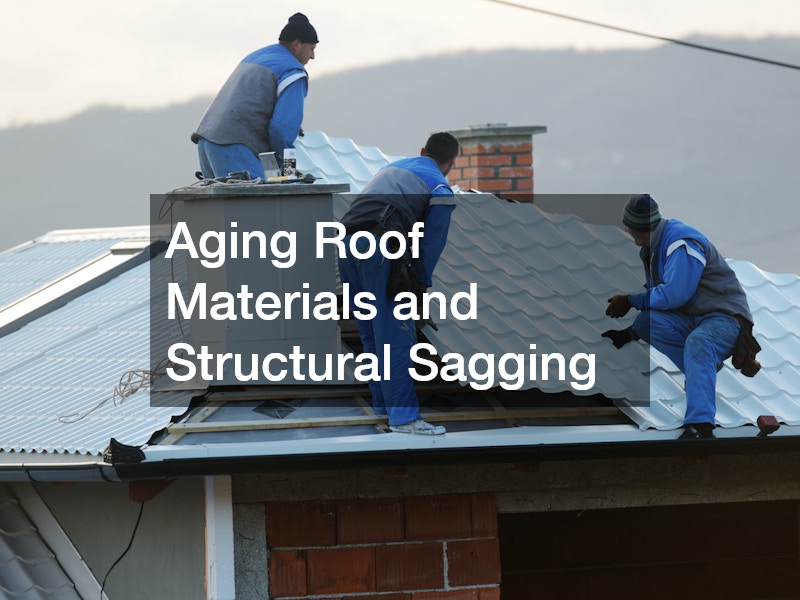
A roof does more than keep rain out; it protects the structural integrity of the entire house, and once it starts failing, the damage often spreads faster than homeowners expect. Missing shingles, sagging decking, or dark streaks in the attic insulation are early warnings that water has been getting in for longer than it appears from the ground. Left unaddressed, this moisture rots framing, feeds mold growth, and eventually weakens the structure enough to become a genuine collapse risk in heavy snow or wind.
Getting a professional evaluation for roof repair and replacement before a small leak becomes a structural issue saves both money and risk. Most reputable contractors will offer a free inspection and can tell you honestly whether a patch job will hold or whether the whole system needs to come off down to the decking.
- Granules collecting in gutters or at downspout outlets
- Visible sagging along the roofline
- Daylight visible through the attic boards
- Shingles curling, cracking, or missing entirely
Neglected Septic Systems and Backups
For homes not connected to municipal sewer lines, the septic system is entirely out of sight and easy to forget until it fails in an unpleasant and expensive way. A tank that has not been serviced in years can back up into the house, contaminate the yard, or saturate the drain field to the point of complete failure. This is not just inconvenient; standing wastewater on your property is a legitimate health hazard for anyone who comes into contact with it, including pets and children.
Routine septic tank pumping every three to five years, depending on household size and usage, keeps solids from building up and overwhelming the system. Slow drains throughout the house, gurgling pipes, or unusually green and spongy patches over the drain field are all signs the tank needs attention sooner rather than later.
- Sewage odor near the tank or drain field
- Multiple slow drains happening at the same time
- Pooling water over the septic system after normal rainfall
- Lush, unusually green grass in one specific area of the yard
Weakened Fence and Perimeter Barriers

A fence might seem like a purely cosmetic feature, but a failing perimeter barrier can become a real safety issue, especially for homes with pools, young children, or pets that rely on containment. Wood fences rot from the ground up, while older metal fences rust and lose structural strength at the posts. When a barrier leans, wobbles, or has gaps large enough for a small animal to squeeze through, it has stopped doing its job.
Many homeowners are switching to a low-maintenance option and working with a vinyl fence supplier to replace aging wood or chain-link barriers that have become safety liabilities. Vinyl will not rot, splinter, or rust, which removes one more hidden system from the list of things that can quietly fail over time.
- Leaning posts or visible gaps at ground level
- Rotting wood near the base of fence panels
- Rusted hardware on gates or latches
- Missing sections that compromise pool or yard enclosure
Flooring That Hides Moisture and Mold
Flooring problems are often dismissed as cosmetic, but soft spots, warping, or a musty smell coming from beneath the surface can point to moisture trapped underneath that is actively growing mold. This is especially common in bathrooms, kitchens, and basements where slow leaks go unnoticed for months. Walking on a floor that flexes or feels spongy underfoot is a sign the subfloor itself may be compromised.
When old flooring needs to come out, professional floor installation gives homeowners a chance to inspect and repair the subfloor before new material goes down, rather than covering up a problem that will resurface later. Catching this early prevents a minor moisture issue from turning into a structural repair involving floor joists.
- Soft, spongy, or bouncy spots underfoot
- Visible warping or cupping in wood flooring
- Musty odor that lingers even after cleaning
- Discoloration around the base of toilets, tubs, or sinks
Clogged Drainage and Water Diversion Systems

Water is one of the most destructive forces a home faces, and the system designed to manage it, the gutters and downspouts, is often the most neglected. When gutters fill with debris, water spills over the sides and pools directly against the foundation instead of being carried away. Over time this leads to foundation cracking, basement flooding, and soil erosion that can undermine walkways, patios, and even the home’s footing.
Reputable gutter companies recommend cleaning gutters at least twice a year, more often if the property has overhanging trees, to keep water flowing where it belongs. Sagging gutters, visible rust spots, or water marks on the siding below the gutter line are all signs the system needs attention before the next heavy storm.
- Water spilling over gutter edges during rain
- Sagging or pulling away from the roofline
- Erosion trenches forming beneath downspouts
- Basement dampness following rainfall
Bathroom Fixtures Prone to Leaks and Falls
Bathrooms combine electricity, water, and slick surfaces, which makes them one of the riskiest rooms in the house when hidden systems start to fail. A slow leak behind a tub surround or under a shower pan can rot framing and subfloor for years before it becomes visible, often surfacing only as soft flooring, a musty smell, or a stain on the ceiling below. By the time those signs appear, the wood structure may already be compromised, turning what could have been a simple caulk repair into a full subfloor replacement. Fall risks are just as sneaky. An aging tub with worn, chalky finish, a poorly sealed shower floor, or grout lines that have crumbled away all create surfaces that look fine but become dangerously slick when wet. Combine that with a bathroom’s hard tile and tight quarters, and even a minor slip can lead to a serious injury, particularly for older adults or anyone with mobility issues. Grab bars, non-slip flooring, and properly sealed fixtures are not just comfort upgrades; they address real safety concerns backed by hard numbers, since the CDC estimates that the majority of nonfatal bathroom injuries among older adults happen during bathing or showering. A few practical checkpoints worth reviewing: caulk lines that have yellowed or pulled away from the wall, a tub that flexes or feels spongy underfoot, and grout that’s cracked or missing in the shower pan. Catching these small warning signs early is far cheaper than replacing rotted framing or recovering from a fall.
Bathrooms combine water, electricity, and slippery surfaces, which makes them one of the most hazard-dense rooms in any home. A cracked grout line, a slow-dripping shower valve, or a loose toilet base might seem like minor annoyances, but they often signal water intrusion that’s been quietly rotting subfloors and framing for months or years. Bringing in a bath remodeler to address an outdated or leak-prone bathroom often uncovers hidden water damage that a simple caulk touch-up would never reveal. Soft spots in flooring, discolored drywall, or a musty smell near the tub surround are all signs that moisture has traveled well beyond the visible surface. A full assessment can also identify whether ventilation is adequate, since poor airflow contributes to mold growth behind tile and drywall. Many older bathrooms rely on undersized exhaust fans or none at all, leaving humidity with nowhere to go after every shower. Beyond moisture concerns, a professional evaluation typically checks for fall risks as well: unstable grab bars, worn tub surfaces, and thresholds that create tripping hazards for older adults or young children. Correcting these issues at the same time as water damage repairs saves homeowners from tackling the same room twice.
- Soft, spongy, or sagging flooring near the tub or shower, often a sign that subfloor plywood has absorbed water and started to rot
- Persistent mildew or musty smell despite regular cleaning, which can indicate moisture trapped inside walls rather than on visible surfaces
- Water stains, sagging patches, or peeling paint on the ceiling below an upstairs bathroom, signaling an active or long-term leak from a tub, toilet, or drain line
- Loose tile or grout separating from the wall, especially around the tub or shower pan, letting water seep behind tile and weaken the wall structure
- Caulk that’s cracked, discolored, or pulling away from the tub or shower edges, a common entry point for slow leaks
- A toilet that rocks slightly when you sit or shift weight, which can mean a broken wax ring or wear on the flooring beneath it
- Rust stains around drain fixtures or shutoff valves, a warning sign of long-term moisture exposure and potential pipe corrosion
Overgrown or Damaged Trees Near the House
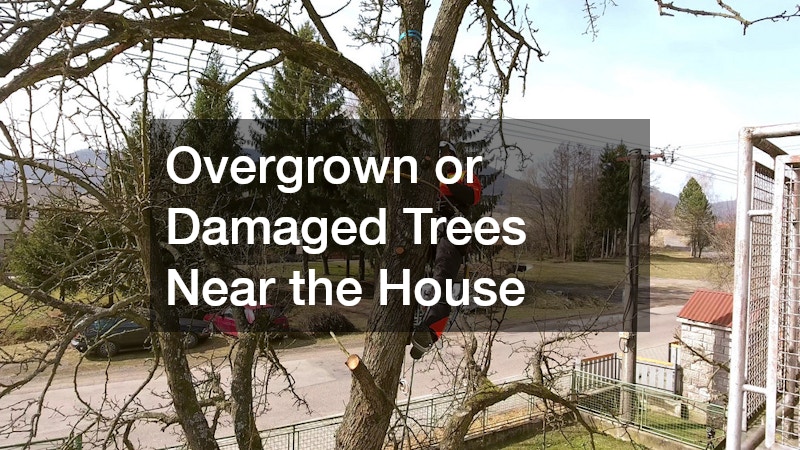
Trees add value and shade to a property, but a tree with a compromised root system, dead limbs, or a trunk leaning toward the house is a hazard waiting for the next storm. Roots can also grow into septic lines, foundations, and underground pipes, causing damage that is not visible until the pipe backs up or the foundation cracks. Large overhanging branches near power lines or the roofline pose both a fire risk and a physical collapse risk during high winds.
A certified tree removal service can evaluate whether a tree needs to come down entirely or whether selective pruning will resolve the immediate danger. Signs like fungus at the base of the trunk, exposed roots, or large dead branches should never be left until the next big storm to address.
- Visible fungus or mushrooms growing at the base of the trunk
- Large dead branches overhanging the roof or driveway
- Cracks or splits running along the main trunk
- Leaning that has increased noticeably over recent seasons
Buildup on Exterior Surfaces and Walkways
Algae, mold, and moss buildup on driveways, walkways, and siding are not just an eyesore, they create genuinely slick surfaces that increase the risk of falls, particularly in shaded or damp areas of the property. This buildup also traps moisture against siding and masonry, accelerating deterioration over time. Left untreated for years, some organic growth can even work its way into small cracks and widen them through freeze-thaw cycles.
A professional pressure washing service can safely remove years of buildup from concrete, brick, and siding without damaging the underlying material, something that is harder to guarantee with a rented consumer-grade machine. Scheduling this kind of cleaning annually keeps walkways safer underfoot and helps homeowners spot cracks or damage that algae had been hiding.
- Green or black streaking on siding and walkways
- Visibly slick spots in shaded areas of the driveway
- Moss growing in mortar joints or between pavers
- Faster-than-expected deterioration of exterior paint or coating
Failing Appliances That Pose Fire or Gas Risks
Appliances quietly age in the background of daily life, and few homeowners think about the wiring inside a dryer or the gas line feeding a stove until something goes wrong. An aging water heater can leak or, in worst cases, become a pressure hazard, while a dryer clogged with lint buildup is a well-documented fire risk. Refrigerators and freezers with failing compressors can also overheat internally, posing a risk that is easy to miss since the unit still appears to run normally.
Reputable appliance dealers can help homeowners identify when a unit has reached the end of its safe service life rather than simply patching it together for another year. Manufacturers typically list expected lifespans for major appliances, and exceeding that window significantly increases the odds of a malfunction that goes beyond a simple inconvenience.
- Burning smell coming from a dryer or refrigerator
- Water heater that is rusted or more than 10 years old
- Gas appliances with pilot lights that burn yellow instead of blue
- Unusual buzzing, clicking, or overheating during normal use
Hidden systems only stay hidden until they don’t, and by then the cost of ignoring them has usually multiplied well beyond what early attention would have required. The good news is that most of these risks give off warning signs long before they become emergencies, whether that’s a warm outlet, a musty smell, or a leaning tree. Walking through your property with this list in mind is a reasonable first step toward catching problems while they are still manageable. When something seems off, trust that instinct and bring in a qualified professional to take a closer look before the issue becomes a genuine safety concern.
