
Every homeowner dreads the moment a small problem becomes a major, expensive emergency, whether it is a leaking roof, a flooded basement, or a furnace that quits during the coldest week of the year. The good news is that most of these disasters do not happen overnight; they build slowly through neglect, and they leave warning signs along the way. A consistent seasonal maintenance routine allows you to catch those warning signs early, protect your investment, and avoid the stress and cost of emergency repairs. This guide walks through the key areas of your home that deserve attention throughout the year, along with practical steps you can take before small issues turn into big ones.
Why a Seasonal Routine Matters More Than a Reactive One
Homes are systems made up of interconnected parts, and when one component fails, it often puts stress on others. Waiting until something breaks means you are paying for repairs at the worst possible time, often at a premium because the problem has become urgent. A seasonal approach spreads maintenance tasks out over the year so they are manageable and affordable, rather than piling up into one overwhelming and costly event. Thinking in terms of spring, summer, fall, and winter checklists also helps you align tasks with the weather conditions that make them necessary in the first place.
Many homeowners underestimate how quickly minor wear can escalate. A small gap in weatherstripping in October can become a frozen pipe in January if it is not addressed. Building a habit of quarterly walk-throughs, even just twenty minutes with a flashlight and a notepad, can reveal issues long before they require emergency intervention.
Keeping Water Moving Away From Your Foundation

Water is one of the most destructive forces a home faces, and much of the damage it causes is preventable with routine attention. Gutter cleaning is one of the simplest, most affordable tasks a homeowner can do, yet it is frequently skipped until leaves and debris cause an overflow. When gutters are clogged, rainwater spills over the sides and pools near the foundation, which can lead to cracked concrete, basement leaks, and even structural settling over time.
Ideally, gutters should be cleared at least twice a year, in late spring and late fall, though homes surrounded by mature trees may need more frequent attention. Downspouts should be checked to confirm they direct water at least four to six feet away from the foundation. Taking care of this now is far less expensive than dealing with water intrusion in a finished basement later.
- Inspect gutters after major storms for sagging or separation
- Install gutter guards to reduce debris buildup between cleanings
- Check that downspout extensions have not been knocked loose by lawn equipment
- Look for water stains on siding, which indicate overflow problems
Protecting the Roof Over Your Head
Your roof takes the brunt of every season, from summer heat to winter ice, and small issues like a lifted shingle or a cracked flashing seal can quietly let water into your attic. Many residential roofers recommend a professional inspection at least once a year, ideally in the spring after winter storms have passed and before summer heat causes further expansion and contraction of roofing materials. A trained eye can spot problems that are difficult to see from the ground, such as granule loss, subtle sagging in the decking, or rusted nail heads working their way loose.
A thorough inspection typically covers more than just the shingles. Roofers also check flashing around chimneys and skylights, examine gutters and downspouts for proper drainage, and look inside the attic for signs of moisture, mold, or daylight peeking through the boards. Even a small gap around a vent pipe can lead to hundreds of dollars in water damage if left unaddressed for a full season.
Timing matters too. Scheduling a fall check-up before the first freeze gives you a chance to clear debris and reseal minor cracks before ice and snow have a chance to widen them. Catching these small issues early, often for the cost of a routine service call, can save homeowners thousands in structural repairs down the road.
Catching minor roof repairs early, such as resealing flashing around chimneys or replacing a handful of damaged shingles, is dramatically cheaper than addressing a full roof failure after water has soaked into insulation and framing. A typical flashing reseal or partial shingle swap might cost a few hundred dollars, while a full roof replacement after prolonged water damage can run into the tens of thousands. Twice-yearly inspections, ideally in spring and fall, give homeowners a reliable window to spot problems before winter storms or summer heat make them worse.
Homeowners should also check their attic periodically for signs of moisture, daylight coming through boards, or a musty smell, all of which can indicate a developing leak. Look closely for dark streaks on rafters, sagging insulation, or rusted nail heads poking through the decking, since these are often the earliest visible warning signs. Gutters clogged with debris deserve equal attention, as backed-up water frequently forces its way under shingles and into the roof deck.
Addressing these small signals promptly can add years to the life of your roof and prevent the need for a full replacement well before its time.
Sealing Up Entryways Against the Elements

Doors are often overlooked during maintenance checks, yet they are a common source of drafts, water intrusion, and energy loss. Homes with glass exterior doors deserve particular attention because the seals around the glass panels can degrade over time, allowing condensation to form between panes or air to leak around the frame. A quick seasonal check of weatherstripping, hinges, and thresholds can prevent bigger problems like warped frames or water damage to nearby flooring.
Beyond function, well-maintained entry doors contribute to your home’s energy efficiency and curb appeal. Lubricating hinges, tightening loose screws, and reapplying caulk around the frame are simple tasks that take only minutes but pay off in comfort and lower utility bills throughout the year.
- Check for condensation between glass panes, which signals a failed seal
- Test door sweeps for gaps that let in drafts or pests
- Repaint or reseal wood-framed doors before moisture causes rot
- Confirm locks and hardware move smoothly without forcing
Preparing Heating and Cooling Systems Before Extreme Weather
Nothing feels more like an emergency than a furnace failure in the middle of winter, yet this is one of the most preventable home disasters. Scheduling annual maintenance with reputable heating companies before the cold season arrives allows technicians to clean components, check for worn parts, and confirm the system is running efficiently. A well-maintained furnace not only lasts longer but also uses less energy, which can noticeably reduce monthly utility costs.
Filters should be checked monthly during periods of heavy use and replaced roughly every one to three months, depending on the type installed and whether pets are in the home. Homeowners should also test their thermostat programming at the start of each season to make sure schedules still reflect their household routines. A brief mid-season checkup can catch minor issues, like a failing igniter or worn belt, before they turn into a complete system shutdown.
Monitoring Your Home Even When You Are Not There

Modern technology has made it far easier to catch small problems before they become expensive ones, even when homeowners are traveling or busy. Investing in smart home automation and integration allows you to monitor temperature changes, water leaks, and even smoke or carbon monoxide levels remotely through your phone. These systems can send instant alerts the moment something seems off, giving you time to respond before damage spreads.
Leak sensors placed near water heaters, washing machines, and under sinks are especially valuable, since undetected leaks are a leading cause of costly water damage claims. Pairing these sensors with automatic shutoff valves adds another layer of protection by stopping water flow entirely if a major leak is detected. While these tools do not replace regular manual inspections, they add a helpful safety net between your seasonal checkups.
Keeping Underground Systems Running Smoothly
Plumbing problems below ground are often invisible until they cause a backup, which is why proactive care matters so much. Scheduling regular checks with professional sewer services can identify root intrusion, pipe corrosion, or blockages long before they result in sewage backing up into your home. Homes with older clay or cast iron pipes are especially prone to these issues and benefit from periodic camera inspections.
Simple habits also go a long way toward preventing sewer line emergencies. Avoiding pouring grease down drains, being mindful of what gets flushed, and keeping tree roots away from pipe pathways all reduce the risk of a sudden and expensive backup. Being proactive here protects not just your plumbing but also your home’s flooring, walls, and indoor air quality.
- Watch for slow drains throughout the house, which can indicate a main line issue
- Note gurgling sounds from toilets, a common early warning sign
- Keep a record of any tree planting near underground pipe routes
- Ask about camera inspections if your home has mature landscaping
Maintaining Driveways and Outdoor Surfaces
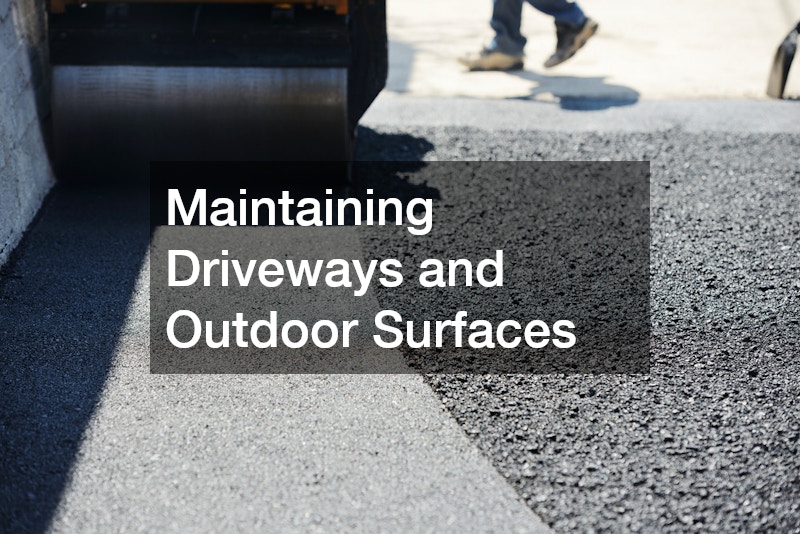
Exterior surfaces endure constant exposure to sun, rain, and temperature swings, which causes gradual cracking and deterioration if left unaddressed. Asphalt typically needs sealcoating every two to three years, though driveways in colder climates with frequent freeze-thaw cycles may benefit from more frequent attention. Consulting local asphalt companies for periodic sealcoating and crack filling can extend the life of a driveway significantly, often by several years, while also improving curb appeal.
Small cracks that go untreated allow water to seep in, freeze, and expand, turning a minor blemish into a major structural repair. A crack as narrow as a quarter-inch can widen into a pothole within a single winter season if moisture keeps finding its way underneath the surface. Fall is generally the best time to schedule crack filling, since sealing the driveway before winter locks out moisture before the freeze-thaw cycle begins in earnest.
Concrete surfaces require a similar mindset, though the products differ. Applying a penetrating sealer every few years helps repel water and de-icing salts, both of which can cause pitting and surface scaling over time. Homeowners should also watch for uneven settling near walkways and patios, since drainage issues that push water toward the foundation can compound into costlier repairs if left unresolved.
Seasonal changes are the ideal time to walk your driveway and walkways looking for developing issues. Spring is particularly useful for spotting winter damage, since freeze-thaw cycles can turn a hairline crack into a quarter-inch gap that traps water and expands further with each cold snap. Fall is a good time to seal asphalt or concrete surfaces before freezing temperatures return, ideally when daytime temps stay above 50°F for a few days to let sealant cure properly.
While walking the surface, check for pooling water, which often signals settling or drainage issues near the foundation, and look for heaving slabs or uneven joints in walkways that create tripping hazards. Cracks wider than a quarter inch or showing crumbling edges usually need patching before winter rather than a simple seal coat.
Addressing these small repairs consistently, rather than waiting for a full resurfacing job, keeps your property looking well cared for and protects against costlier structural damage down the line.
Managing Renovation and Cleanup Projects Responsibly
Seasonal maintenance sometimes uncovers larger projects, such as replacing old siding, clearing out a cluttered garage, or removing storm debris after a major weather event. For these bigger cleanup efforts, renting a roll off dumpster rental can make the process far more efficient than multiple trips to a disposal site. Having a dedicated container on-site keeps debris contained, reduces safety hazards, and speeds up the completion of larger maintenance tasks.
This is also an important consideration for homeowners living in older homes where careful maintenance intersects with historic preservation guidelines. Renovations on historic properties often require special permits, approved materials, and adherence to specific standards, so it helps to plan disposal and construction timelines around those requirements in advance. Taking the time to understand these guidelines early prevents costly delays and ensures the character of the home is preserved while still addressing necessary repairs.
Consistent seasonal maintenance is one of the most effective ways to protect your home’s value while avoiding the financial shock of emergency repairs. By addressing small issues in gutters, roofing, doors, mechanical systems, and underground plumbing throughout the year, you stay ahead of problems rather than reacting to them. Start by creating a simple checklist for each season and set calendar reminders so these tasks do not get overlooked amid daily life. Taking these proactive steps now will save you time, stress, and money for years to come.
