Discovering rodents in your home can be stressful, unsettling, and even hazardous. Whether it’s mice scurrying in the walls or rats leaving droppings behind appliances, these pests can create serious risks for your health and property. Acting quickly is the best way to protect your home and restore your peace of mind. While many homeowners attempt DIY solutions first, understanding the right steps—and when to call in professional help—can make a major difference in how efficiently the issue is resolved.
1. Look for the Signs of an Active Infestation
Rodents are skilled at hiding, so you may not see one immediately. Instead, you’ll likely notice their presence through indirect signs.
Common indicators include droppings, shredded materials, gnaw marks, foul odors, greasy rub marks along walls, and scratching noises, especially at night. Early detection allows you to act sooner, preventing rodents from multiplying or causing more structural damage. If these signs appear in multiple areas of your home, it may indicate a larger, more established infestation.
2. Identify the Type of Rodent You’re Dealing With
Different rodents behave differently, and identifying the species helps determine the most effective removal method. Mice tend to nest indoors and breed quickly, while rats are larger, more cautious, and often harder to trap. Squirrels or similar wildlife may also enter attics or crawl spaces, creating noise and damage. Take note of droppings, chew marks, and nesting materials to help with identification. If you’re unsure—or if the signs point to multiple species—professional rodent removal services can evaluate the situation and recommend the correct approach.
3. Remove Food Sources and Improve Sanitation
Rodents invade homes for food, water, and shelter. Eliminating what attracts them makes your environment far less appealing. Store all food in sealed containers, avoid leaving crumbs on counters, and clean up spills quickly. Make sure pet food is covered and that trash cans have secure lids. Even crumbs trapped under appliances or in pantry corners can sustain rodents. Deep cleaning these hidden areas disrupts their food supply, forcing them to search elsewhere and making traps far more effective.
4. Seal Entry Points to Prevent Further Access
Rodents can squeeze through surprisingly small openings—mice can fit through gaps the size of a dime. Inspect the inside and outside of your home, focusing on openings around pipes, vents, utility lines, foundations, windows, and doors. Fill gaps with steel wool, caulk, or metal flashing, as rodents chew through softer materials. Sealing entry points is one of the most important steps in long-term prevention. Even after removal, leaving openings unsealed can lead to recurring issues. Professional rodent removal services often include exclusion work to properly close off vulnerable areas so rodents cannot return.
5. Use Traps Strategically to Capture Rodents
While some homeowners use poison, traps are a safer and more controlled method for eliminating rodents. Snap traps, multi-catch traps, and live traps can all be effective depending on the species. Place traps along walls, behind appliances, and near suspected nests—rodents rarely travel in open space. Avoid using too much bait, and don’t touch traps with bare hands, since human scent can make rodents cautious. It may take several days to see results, and multiple traps are typically needed. If traps aren’t working or the problem grows, bring in professionals who can assess rodent behavior, block hiding spots, and use advanced removal techniques.
6. Clean and Disinfect Contaminated Areas Safely
Rodents carry bacteria and diseases, so cleaning contaminated areas carefully is essential. Wear gloves and a mask, and avoid sweeping or vacuuming droppings, as this can release harmful particles. Spray droppings and nests with disinfectant, let them soak, and wipe them up with disposable towels. Clean any space where food is stored or prepared, and consider replacing heavily contaminated insulation, cardboard boxes, or other porous materials. Proper sanitation prevents illness and removes odors that may attract new rodents.
7. Know When to Call a Professional
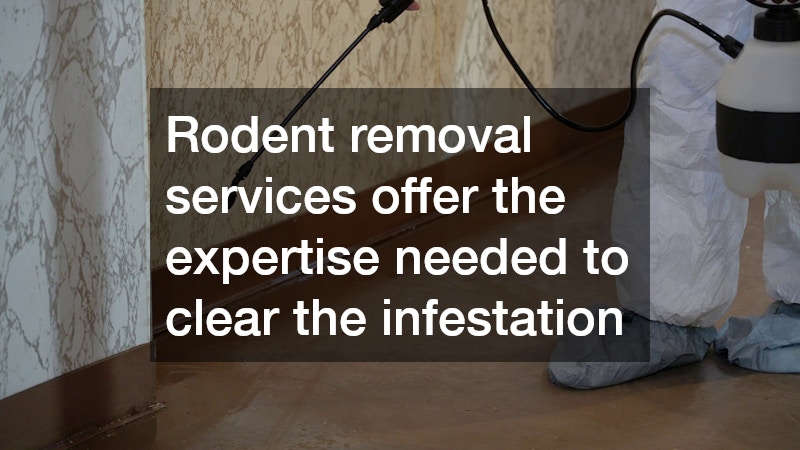
While early infestations may sometimes be handled with DIY methods, larger or recurring problems require expert attention. Professionals can identify nesting areas, access hidden spaces, and use targeted techniques beyond typical store-bought solutions. If you see rodents during the day, notice an increase in droppings, or discover structural damage, it’s a sign the infestation is expanding. Trusted rodent removal services can eliminate the existing problem and take preventive steps to keep rodents from returning, giving you long-term security and peace of mind.
8. Keep Up With Long-Term Prevention
Even after rodents are removed, preventing future issues is essential. Continue sealing entry points, maintaining cleanliness, storing food properly, and inspecting your home regularly. Trim nearby tree branches, repair damaged screens, and secure outdoor trash containers. Regular monitoring allows you to catch early signs before rodents settle in again. Consistency is key, as small oversights can quickly lead to a new infestation.
Rodents can spread bacteria, damage property, and create anxiety in your home, but acting quickly limits the problem. By identifying signs early, removing attractants, sealing openings, and using traps effectively, you can regain control of your living space. When the issue becomes too large to manage alone, reliable rodent removal services offer the expertise needed to clear the infestation and help protect your home for the long term.