
The world of home design is constantly evolving, and new builds give homeowners the unique opportunity to incorporate the latest trends from the ground up. From layouts that enhance everyday living to finishes that elevate aesthetics, these trends are all about creating spaces that are both beautiful and functional. Modern homes this year focus on maximizing light, blending indoor and outdoor living, and incorporating sustainable and energy-efficient solutions.
Whether you’re planning your dream home or updating your new build, knowing the trends allows you to make informed decisions about materials, layout, and design choices. This article explores ten major trends in home construction and interior design, offering actionable tips that you can apply to your project immediately.
Prioritizing Open-Concept Layouts for Maximum Flexibility
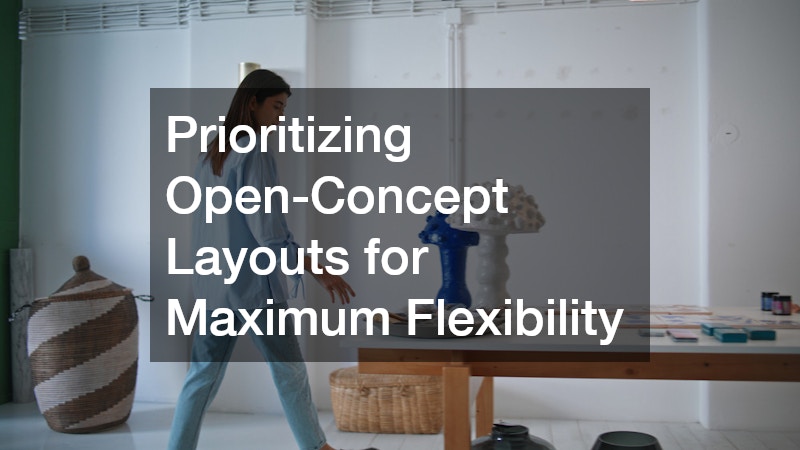
Open-concept layouts remain a favorite because they allow spaces to feel larger, more connected, and flexible. Homeowners are increasingly moving away from segmented rooms in favor of fluid spaces that encourage interaction and natural light. To create an effective open-concept area:
- Plan traffic flow carefully: Ensure that furniture placement doesn’t obstruct movement between areas.
- Use multi-functional furniture: Islands, benches, and storage units can define spaces without walls.
- Incorporate vertical interest: Ceiling beams or architectural columns can subtly define zones while keeping the openness intact.
Working with framing contractors early in the design process is crucial for structural stability. They can advise on where load-bearing walls must remain and suggest alternatives, like engineered beams or reinforced columns, that maintain the open feel without compromising safety. Consider leaving openings for future partitions, giving you flexibility as your needs change.
Another tip is to coordinate flooring and finishes across connected spaces. Consistent flooring or complementary tones visually unite the areas, while rugs or area-specific furniture can define functional zones. Lighting also plays a key role; layered lighting—ambient, task, and accent—helps distinguish spaces without creating physical barriers.
Finally, incorporating technology like hidden outlets and charging stations keeps the space functional and uncluttered. Open-concept homes look clean and modern, but only if organization and planning are carefully considered.
Enhancing Exterior Appeal With Thoughtful Window Treatments
Windows are no longer just functional—they’re architectural statements. Modern window treatments combine form and function, offering privacy, energy efficiency, and style. One trend is using layered window treatments to control light while adding texture and depth to a room.
Custom shutters are particularly popular because they allow complete personalization. Homeowners can choose:
- Materials that complement exterior finishes
- Colors that enhance curb appeal
- Adjustable louvers for optimal light control
Shutters also provide insulation, reducing energy costs while enhancing visual interest. Interior shutters can be painted to match or contrast with interior décor, while exterior shutters can create striking curb appeal that elevates the home’s overall aesthetic.
Tips for implementation include:
- Position shutters in proportion to the window size for balance
- Consider motorized or smart shutter options for convenience
- Pair with light-filtering shades for versatile privacy and daylight control
By coordinating shutters with surrounding landscaping and façade elements, you create a cohesive look that draws attention to the home’s architectural strengths.
Choosing Durable and Stylish Roof Designs
Your roof is both a functional necessity and a design feature. Modern roofing trends emphasize energy efficiency, longevity, and aesthetics. Sleek, minimalistic designs, including low-pitch or flat roofs, are trending, particularly in contemporary architecture. Materials like metal, slate, and synthetic shingles are popular for their durability and unique look.
Roofing contractors can provide guidance on materials suited to your climate and home style. Proper installation ensures water resistance, longevity, and safety. They can also integrate modern features like solar panels, green roofs, or reflective materials to improve energy efficiency. Key considerations include:
- Ventilation systems to prevent moisture buildup
- Color choices that affect energy absorption
- Integration with gutters, downspouts, and drainage for longevity
When designing a roof, also think about how it interacts with other elements, like exterior siding, landscaping, and windows. A roof with clean lines and a complementary color can unify the exterior while providing architectural flair. Adding details such as decorative trim, skylights, or roof overhangs can enhance both style and functionality.
Designing Spa-Like Bathrooms for Relaxation
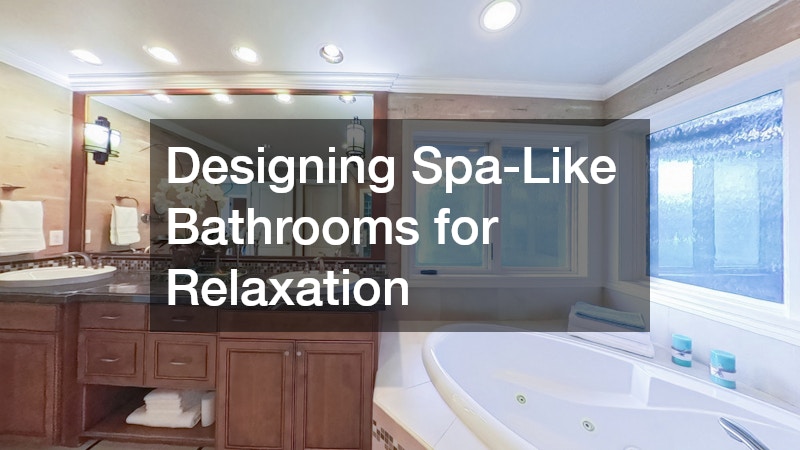
Bathrooms have transformed into luxurious retreats, moving beyond utilitarian functions. Spa-inspired designs are all about clean lines, soothing materials, and a balance of comfort and style. Popular elements include freestanding tubs, rain showers, statement tile walls, and large mirrors to visually expand the space.
When working with bathroom contractors, focus on:
- Layout efficiency: Ensure plumbing and fixture placement maximizes usability
- Material durability: Tiles, vanities, and countertops should withstand moisture
- Integrated storage: Built-in shelving, niches, and hidden cabinets reduce clutter
Other trends include touchless faucets, heated flooring, and ambient lighting that can be adjusted for mood. Layered lighting—task, accent, and natural—is key to achieving a spa-like feel. Homeowners can also incorporate eco-friendly fixtures, like low-flow showerheads and dual-flush toilets, to reduce water usage without sacrificing comfort.
Design tips for luxury bathrooms:
- Use contrasting textures: smooth stone with soft wood accents adds depth
- Consider glass partitions: they keep spaces open while defining zones
- Incorporate plants: greenery improves air quality and adds natural tranquility
A well-planned bathroom becomes a daily retreat, increasing both home enjoyment and long-term property value.
Creating Sustainable and Inviting Outdoor Spaces
Outdoor living is more important than ever in new home design. Patios, decks, and garden spaces are extending indoor living into areas that are both functional and visually appealing. Sustainability has become a key consideration, with homeowners increasingly opting for low-maintenance plants, drought-resistant landscaping, and efficient irrigation systems to create outdoor spaces that are beautiful, practical, and environmentally friendly.
Working with a landscaping contractor can make a significant difference in achieving these goals. Professionals can help you select plants that thrive in your local climate, design hardscaping features such as terraces, retaining walls, or pathways that complement your home’s architecture, and seamlessly integrate lighting, seating, and water elements to create a cohesive and inviting outdoor environment. Their expertise ensures that your outdoor spaces are both visually striking and long-lasting, reducing future maintenance challenges.
Modern trends also emphasize the connectivity between indoor and outdoor areas. Features such as large sliding doors, outdoor kitchens, and fire pits allow homeowners to use their outdoor spaces year-round, effectively extending living areas beyond the walls of the home. By layering softscape elements like plants and trees with hardscape features, you can create a yard that is visually dynamic yet easy to maintain, striking the perfect balance between beauty and functionality.
Thoughtful outdoor design ultimately enhances both lifestyle and curb appeal. Well-planned spaces provide designated areas for relaxation, entertainment, and recreation while maintaining harmony with the home’s overall aesthetic. By approaching outdoor living with care and intention, homeowners can create an extension of their home that is both inviting and sustainable, enriching everyday life while boosting property value.
Optimizing Home Comfort With Modern HVAC Solutions
Comfort in a new build goes beyond heating and cooling—it’s about air quality, efficiency, and adaptability. Modern homes benefit from zoned HVAC systems, energy recovery ventilators, and smart thermostats that adjust to individual preferences. Proper airflow ensures consistent temperatures and reduces energy waste.
Partnering with an experienced HVAC company ensures proper installation and system sizing. Professionals can recommend:
- Energy-efficient units that reduce monthly costs
- Air purification systems to enhance indoor air quality
- Zoned systems that allow independent temperature control
Other considerations include duct design, insulation, and integrating systems with smart home technology. Homeowners should also factor in maintenance accessibility to prolong system life and performance.
Tips for efficiency:
- Seal ducts to prevent leaks and maximize performance
- Use programmable thermostats for consistent comfort
- Consider renewable energy options like geothermal systems
A well-designed HVAC system supports comfort, efficiency, and long-term sustainability.
Selecting Flooring That Balances Style and Function
Flooring choices play a major role in defining the look and feel of every room in a home. Current trends favor light wood tones, large-format tiles, and luxury vinyl, all of which provide a balance between aesthetic appeal and durability. Textured surfaces are also becoming increasingly popular, as they add tactile interest and depth to a space while enhancing visual character. Selecting the right flooring is not just about appearance; it affects comfort, longevity, and how the overall design of the home comes together.
Working with residential flooring specialists ensures that materials are installed correctly and that homeowners have access to a wider variety of high-quality options. These experts can guide you toward moisture-resistant choices for kitchens and bathrooms, durable surfaces that withstand heavy foot traffic, and solutions like underfloor heating that increase comfort in colder climates. Their professional insight helps homeowners make informed decisions, avoiding common mistakes that can be costly over time.
When integrating flooring into a home, it’s important to consider continuity and cohesion. Using consistent flooring throughout connected spaces can enhance the sense of flow, while layering rugs or different textures can help define specific zones within open-concept layouts. Mixing materials thoughtfully can add visual interest without creating a cluttered or disjointed appearance.
Ultimately, flooring serves both functional and stylistic purposes. It sets the tone for each room, supports daily activities, and contributes to the overall property value. By carefully selecting materials and working with professionals for installation, homeowners can ensure their flooring choices enhance the home’s design, comfort, and longevity.
Enhancing Driveways and Pathways With Functional Hardscaping
The home’s exterior sets the first impression, and driveways and pathways play a crucial role. Modern trends focus on pavers, decorative stone, and permeable surfaces that are both practical and stylish. These materials provide durability while enhancing visual appeal.
Hiring experts for paver driveways ensures proper base preparation, alignment, and drainage. Professional installation avoids future maintenance issues, such as sinking pavers or uneven surfaces. Consider patterns, colors, and textures that complement your home’s architecture.
Tips for outdoor hardscaping:
- Incorporate lighting for safety and ambiance
- Blend softscape and hardscape elements for balance
- Use permeable materials for sustainable drainage
A thoughtfully designed driveway and pathways improve curb appeal and increase property value while creating functional, safe access.
Integrating Smart Electrical Solutions for Modern Living
Electrical systems in modern homes have evolved far beyond basic wiring; they now support smart home technology, improve energy efficiency, and provide convenience for daily living. Homeowners are increasingly incorporating integrated lighting systems, smart outlets, and pre-wired solutions that anticipate future technology needs. Thoughtful electrical planning ensures that the home is both functional today and adaptable for upgrades in the years to come.
Working with professional providers of electrical services is essential for achieving a safe and efficient system. These experts ensure that all work complies with local building codes, install devices and wiring safely, and strategically position outlets and switches to maximize usability. Proper planning and professional installation prevent common issues, reduce the need for costly modifications later, and make it easier to integrate new technologies as they become available.
When designing a home’s electrical layout, it’s important to consider zones for lighting, outlets, and appliances. Strategically grouping power sources and lighting controls enhances convenience and ensures that rooms are functional for their intended purposes. Dimmers, programmable lighting systems, and smart switches can improve energy efficiency while allowing homeowners to adjust ambiance and brightness with ease. Additionally, incorporating charging stations for USB devices or electric vehicles ensures that the home is future-ready and meets the evolving needs of modern living.
Ultimately, careful electrical planning creates a connected, safe, and efficient environment. By combining professional installation with thoughtful design, homeowners can enjoy a home that is both highly functional and adaptable, reducing renovation needs and supporting a modern, technology-driven lifestyle.

Planning Efficient Plumbing for Functionality and Style
Modern plumbing combines efficiency, reliability, and style. Sleek fixtures, tankless water heaters, and touchless faucets are popular, improving both aesthetics and water conservation. Proper planning ensures accessibility and minimizes future maintenance issues.
Working with professional plumbing companies helps you:
- Choose durable, water-saving fixtures
- Integrate hidden or compact plumbing for space efficiency
- Plan for long-term functionality and easy maintenance
Tips for kitchen and bathroom plumbing:
- Combine ergonomic design with style
- Consider dual sinks or separated zones for convenience
- Use durable materials like PEX or copper for longevity
Well-planned plumbing enhances functionality while elevating the design of the home.
New build trends in 2026 focus on functionality, style, and sustainability. From open-concept layouts to spa-inspired bathrooms, homeowners have countless options to create spaces that reflect modern living. Thoughtful design, professional collaboration, and careful selection of materials result in homes that are beautiful, comfortable, and future-proof. Whether it’s flooring, roofing, or outdoor landscaping, every detail contributes to a cohesive, modern home that maximizes both comfort and aesthetic appeal.