
Many homeowners assume that a true indoor-outdoor living connection requires knocking down walls, adding sunrooms, or pouring tens of thousands of dollars into additions. The good news is that a well-balanced home doesn’t have to come from a major renovation. With a few thoughtful upgrades, some strategic repairs, and a little planning, you can create a home that flows naturally between inside and outside without touching the foundation or framing. This guide walks through practical, budget-conscious ways to blend your indoor comfort with your outdoor lifestyle.
Assess Your Space and Set Priorities
Before spending a dollar, walk through your home and yard with fresh eyes and think about how you actually use each area. Notice which rooms feel disconnected from the yard, where sightlines are blocked, and which outdoor areas go unused because they’re uncomfortable or inaccessible. This kind of honest audit helps you avoid spending money on changes that look nice but don’t solve the real problem.
Make a simple list ranking your pain points from most annoying to least, since this will guide your budget allocation later. A homeowner who never uses their patio because it gets too hot needs a very different fix than one whose kitchen window view is blocked by an overgrown tree. Prioritizing this way keeps small projects from snowballing into an expensive, unfocused renovation.
- Walk your home at different times of day to see how light and shade shift
- Note which rooms feel cut off from outdoor views
- Identify outdoor areas that are uncomfortable due to sun, wind, or lack of shade
- Rank issues by impact on daily life, not just appearance
Let Natural Light Bridge the Gap

One of the simplest ways to make indoor and outdoor spaces feel connected is by maximizing the amount of natural light and visibility between them. Old, foggy, or drafty windows can make a room feel closed off even if it technically faces the backyard. Instead of replacing entire window units, many homeowners find that professional window repair restores clarity and function at a fraction of the cost of a full replacement.
Fixing sticky sashes, replacing failed seals, and repairing cracked panes can dramatically improve how open a room feels without any structural work at all. This is especially useful in older homes where the window frames are still solid but the glass or hardware has worn down. A clear, properly functioning window can make a dining room or living room feel like an extension of the patio rather than a separate box.
- Repair fogged double-pane glass instead of replacing the whole window
- Fix damaged screens to allow airflow without pests
- Address drafts around frames to improve comfort near windows
- Consider adding a larger picture window where structurally simple
Build a Smooth Transition Underfoot
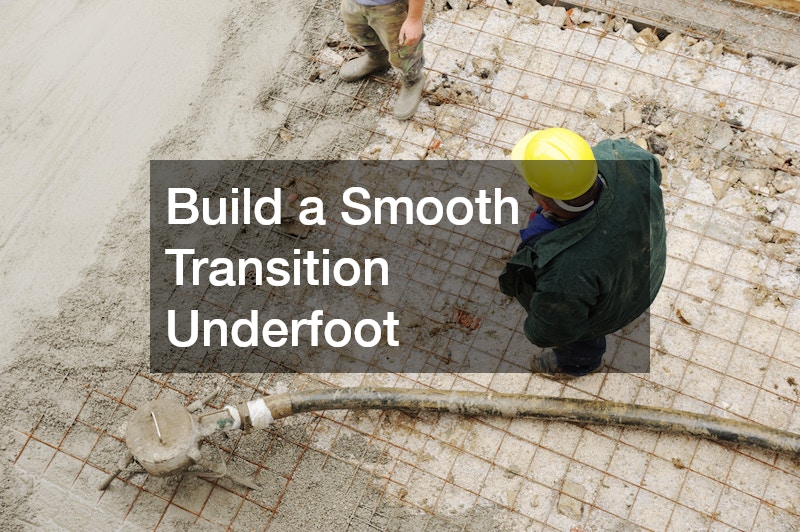
A mismatched or uneven surface between your back door and your patio can make the outdoor space feel like an afterthought rather than a natural continuation of your home. Small concrete projects, such as extending a walkway or leveling an uneven patio slab, can solve this without requiring a full structural addition. For larger pours or tricky access areas, concrete pumping makes it possible to place concrete precisely even in tight backyard spaces where a traditional mixer truck can’t reach.
This approach works particularly well for homes with narrow side yards or elevated decks, since the pump hose can reach areas a chute simply cannot. Homeowners often use this method to create a continuous, level surface that flows from the back door to a seating area, eliminating awkward steps or gaps. The result is a visual and physical connection between indoor flooring and outdoor hardscape that feels intentional rather than patched together.
- Level uneven patio slabs to remove tripping hazards
- Extend walkways to connect indoor and outdoor living areas
- Use pumping equipment for hard-to-reach backyard pours
- Match new concrete texture and color to existing surfaces
Add Shade Without Adding Square Footage
A big reason outdoor spaces sit unused is simple discomfort from direct sun exposure. Rather than building a permanent structure, many homeowners turn to patio shades as a flexible, affordable solution that instantly makes an outdoor seating area more livable. Retractable and fixed shade options can be installed over an existing patio in a single day, with no permits or structural changes required in most cases.
These shading solutions also help protect outdoor furniture from sun damage and reduce glare that spills into adjacent indoor rooms. Choosing a shade color and style that complements your home’s exterior helps the addition feel cohesive rather than like an obvious add-on. For homes with large sliding doors, shades can also reduce indoor heat gain, which keeps the connected living space more comfortable in warmer months.
- Choose retractable options for flexibility across seasons
- Pick UV-resistant fabric to protect furniture and flooring
- Match shade color to your home’s existing exterior palette
- Consider motorized options for easier daily adjustment
Bring in Greenery That Works With Your Home
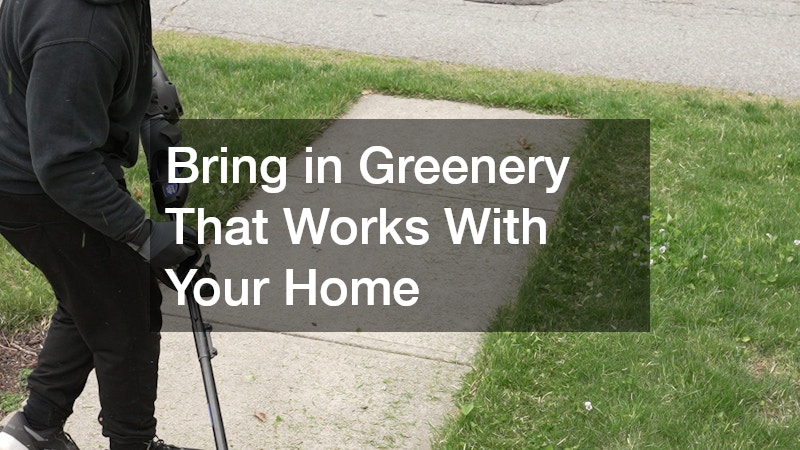
Landscaping plays a huge role in how connected your indoor and outdoor spaces feel, since a well-planned yard draws the eye outward and softens the transition between structure and nature. Working with landscape contractors can help you design planting beds, pathways, and focal points that frame your view from key indoor windows rather than blocking it. A thoughtful layout can make a small backyard feel larger and more inviting without any construction at all.
Large trees near the house deserve special attention, since overgrown branches can block light, damage gutters, or even threaten roofing during storms. Consulting arborists before undertaking any major trimming or removal ensures the work is done safely and in a way that protects the long-term health of the tree. This is especially important if a tree is positioned near a patio or window you’re trying to open up visually.
- Frame outdoor views from key indoor windows with strategic planting
- Use low-maintenance native plants to reduce upkeep
- Have large or aging trees inspected before trimming near the home
- Add pathway lighting to extend usable hours in the yard
Define Boundaries and Privacy

Feeling exposed to neighbors or street traffic is one of the top reasons people avoid spending time outside, even when the space itself is comfortable. A well-placed fence can solve this problem while also creating a defined outdoor room that feels like a natural extension of the house. Working with a reputable fence company allows you to choose a style, height, and material that complements your home’s exterior rather than looking like an obstacle.
Beyond privacy, fencing can also help organize outdoor space into distinct zones, such as separating a dining area from a play space or garden. Options range from simple picket styles to more substantial privacy panels, so cost can scale with your specific needs. A fence installed with the right gate placement can also improve flow between the front and back of the property, making outdoor movement feel more intentional.
- Choose fence height based on privacy needs versus openness
- Match fencing material to your home’s architectural style
- Use fencing to create distinct zones within a larger yard
- Add gates strategically to improve flow around the property
Keep Both Zones Comfortable Year Round
An indoor-outdoor connection only works if both spaces remain comfortable across seasons, which means home systems need to be functioning properly. A furnace that struggles to keep up during cold months can make an open floor plan near sliding doors feel drafty and unwelcoming, so scheduling heating repair before the temperature drops is a smart preventative step. Waiting until the first freeze to check your system often means longer wait times for service and a higher chance of discovering a bigger problem than expected.
Small issues like a failing thermostat, clogged filter, or worn weatherstripping around glass doors can quietly undermine an otherwise well-designed space. These minor inefficiencies force your HVAC system to work harder, driving up energy bills while still leaving cold spots near large windows or transitional areas. A yearly inspection, ideally in early fall, can catch these problems before they turn into costly emergency repairs.
Cooling matters just as much when temperatures climb. Ceiling fans, portable units, or a well-maintained AC system can keep sunroom additions or covered patios from becoming unusable heat traps during peak summer months. Pairing proper insulation with smart shading, like retractable awnings or exterior blinds, helps maintain a consistent temperature without relying entirely on mechanical systems.
Ultimately, comfort is what makes an indoor-outdoor layout feel intentional rather than improvised. Investing a modest amount in seasonal maintenance protects the larger design investment you’ve already made in creating that seamless flow.
Comfortable temperatures are only half the equation—year-round enjoyment of blended spaces also depends on systems you can’t always see. Outdoor kitchens, hose bibs, and irrigation lines all rely on reliable plumbing, and a single leak or pressure drop can turn a favorite gathering spot into a costly repair project. Freezing temperatures add another layer of risk, since unprotected pipes can crack overnight and cause damage that surfaces weeks later.
Scheduling plumbers for a seasonal inspection, ideally once in spring and once before the first frost, helps catch small problems before they become expensive ones. They can check for slow leaks around outdoor faucets, test water pressure in irrigation lines, and make sure shutoff valves work properly before winter sets in. Catching a quarter-inch drip early can save thousands in foundation or patio repair costs down the road.
It’s also worth asking about backflow prevention devices, especially if your outdoor kitchen or irrigation system connects directly to your home’s main water line. These devices, along with insulated pipe sleeves for exposed lines, are inexpensive safeguards compared to the cost of replacing a cracked line or repairing water-damaged concrete.
Keeping both climate control and water systems in good working order protects the investment you’ve made in connecting your indoor and outdoor areas. A well-maintained HVAC system and a leak-free plumbing setup work together to make the space usable in July heat and January cold alike, without requiring any structural overhaul.
- Schedule seasonal furnace checkups before extreme weather hits, ideally in early fall and spring
- Insulate areas near sliding doors and large windows with weatherstripping or thermal curtains to stop drafts
- Inspect outdoor faucets and irrigation lines for leaks each spring, checking connections and valves for wear
- Address low water pressure issues before they cause damage to pipes or foundation
- Check attic and crawl space insulation levels, since gaps here often cause the biggest temperature swings
- Test your outdoor spigots for freeze protection before winter to avoid burst pipes
Protect the Structures That Tie It All Together
Roof condition affects more than just the interior of your home; overhangs, eaves, and gutters all play a role in how outdoor living areas perform during rain or intense sun. A damaged or aging roof can lead to water pooling near a patio or staining an exterior wall that’s meant to be a visual centerpiece. Having residential roofing companies inspect your roofline periodically ensures small issues, like a lifted shingle or clogged gutter, don’t turn into costly water damage that affects your outdoor space too.
Extended eaves or a well-maintained roof overhang can also double as natural shade for a patio, reducing the need for additional structures. If you’re already planning shade or seating upgrades outside, it makes sense to have the roof checked at the same time to confirm it can handle any attached hardware. This kind of proactive inspection is far cheaper than repairing water damage after the fact.
- Check gutters and downspouts for proper drainage away from patios
- Inspect for damaged shingles near overhangs before storm season
- Confirm roof structure can support attached shade hardware
- Address minor leaks before they spread to exterior walls
Update Interior Touches That Echo the Outdoors
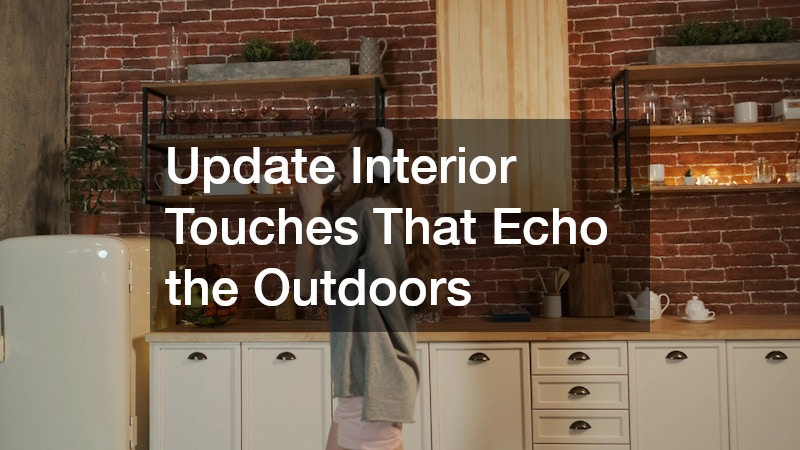
Balancing indoor and outdoor spaces isn’t only about what happens outside the back door; small interior updates can reinforce that connection too. Refreshing kitchen cabinets with a lighter finish or adding glass-front doors can make a kitchen feel brighter and more open toward an adjacent patio or garden view. This kind of update is far less expensive than a full kitchen remodel but has a noticeable effect on how connected the space feels.
Choosing finishes and colors that echo natural tones found in your landscaping, such as warm wood or soft greens, helps unify the look between indoor cabinetry and outdoor greenery. Even small hardware changes, like swapping in simpler pulls, can modernize a kitchen enough to match a newly upgraded patio or yard. These interior touches complete the visual story without requiring any structural work.
- Refresh cabinet finishes instead of a full kitchen replacement
- Add glass-front doors to open up sightlines
- Choose colors that complement your landscaping palette
- Update hardware for a quick, affordable refresh
Creating a home that flows naturally between indoor comfort and outdoor enjoyment doesn’t require a construction loan or months of disruption. By addressing windows, surfaces, shade, greenery, privacy, and key home systems one project at a time, you can build a cohesive living experience at your own pace and budget. Start with the one or two pain points that bother you most, tackle those first, and let the rest of the improvements follow as time and resources allow.
