Before hiring a roofing company, it’s vital to ask the right questions to ensure a successful roofing project. Roofing projects can be complex, involving various intricate details that demand thorough evaluation and decision-making. From material selection to installation techniques, every step plays a role in the long-term performance of your roof. Making informed choices can lead to quality work, enhanced safety, and significant value, ensuring the project meets your expectations, budget, and structural requirements.
What is the Company’s Experience and Track Record?
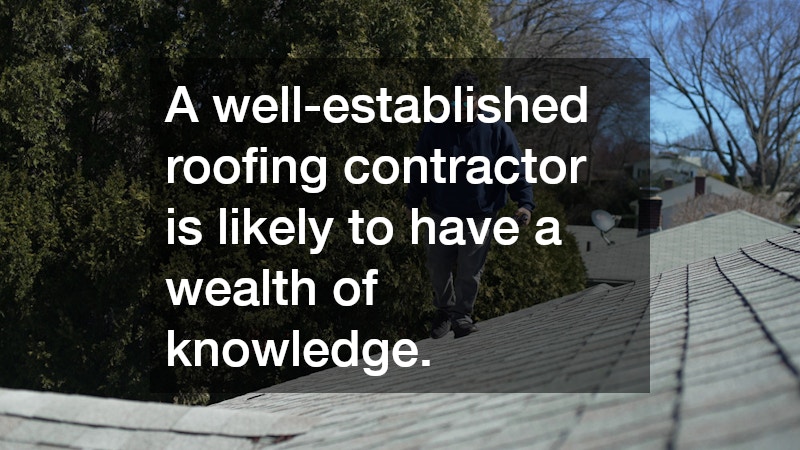
Assessing the company’s history helps gauge its experience and stability in the roofing industry. A well-established roofing contractor is likely to have a wealth of knowledge and expertise, which contributes to effectively handling diverse roofing challenges, including unexpected structural issues or weather-related complications. Always consider the longevity and growth of the business as a testament to its reliability and ability to adapt to industry standards.
Checking online reviews and demanding testimonials from past customers offer insights into the company’s reputation. Satisfied customers often reflect quality work and excellent customer service, essential for a seamless roofing experience. Pay attention to how the company responds to negative feedback, as professionalism in conflict resolution is a strong indicator of reliability. Seek multiple reviews to form a comprehensive view of the potential contractor’s trustworthiness and performance.
Evaluating past projects shared by the company can showcase their capabilities and expertise in handling specific roofing requirements. A diverse project portfolio demonstrates adaptability to various architectural styles, roofing materials, and customer preferences. Success stories and case studies further highlight the company’s ability to deliver consistent, high-quality outcomes, ensuring peace of mind for new clients.
What Insurance and Warranties are Offered?
It’s crucial to verify that the roofing company holds adequate liability and workers’ compensation insurance. This insurance protects you from any unexpected liability or accidents that might occur during the project. Without proper coverage, you risk facing significant financial and legal issues if property damage or injuries occur on-site.
Inquiring about manufacturer warranties on roofing materials ensures coverage for defects and potential issues. These warranties are vital for securing long-term reliability and performance of the roofing materials used. A reliable roofing company will work with reputable manufacturers offering robust warranties, adding an extra layer of assurance to their service.
Understanding the guarantees provided for the quality of labor and installation is essential. Workmanship guarantees hold the company accountable for ensuring high standards and addressing any post-installation problems. This commitment highlights their confidence in delivering excellent work and prioritizing long-term customer satisfaction rather than short-term results.
How Does the Pricing and Quotation Process Work?
Requesting detailed written estimates is crucial for transparency and clarity in the pricing structure. An itemized breakdown aids in understanding the costs involved, including labor, materials, disposal, and potential contingencies, helping prevent unexpected expenses. Comprehensive estimates foster trust and reduce the likelihood of disputes during or after the project.
Exploring payment plans or financing options is particularly beneficial for managing project expenses effectively. Roofing projects can entail considerable costs, so flexible payment solutions may alleviate financial strain and make higher-quality materials more accessible. A company offering diverse financial options demonstrates its commitment to accommodating client constraints and ensuring affordability.
Analyzing proposed costs against average market prices helps determine pricing fairness. This comparison ensures that you receive value for your investment, avoiding overpayment or suspiciously low bids that may compromise quality. Engaging in market analysis encourages transparency and aids in negotiation, achieving competitive pricing and long-term cost savings.
What Is the Project Timeline and Communication Process?
Understanding the expected project timeline helps set realistic expectations and minimizes disruptions to your daily routine. Ask how long the project will take, what factors could cause delays, and how weather conditions or material shortages are handled. A professional contractor should provide a clear schedule along with contingency plans.
Equally important is knowing who your primary point of contact will be throughout the project. Clear communication ensures questions are addressed promptly and progress updates are consistently shared. Regular check-ins and documented updates reflect professionalism and help prevent misunderstandings that could impact the final outcome.
Through careful consideration and questioning, you ensure a well-informed roofing contractor selection process. Thoroughly researched decisions lead to successful outcomes, fostering quality workmanship, safety, and financial value. Engaging potential roofing companies with insightful questions enables you to establish a productive working relationship, ultimately cultivating a reliable, stress-free, and satisfactory roofing project experience.